Chéri Chicory

Chicory

Chicory

Lately, chicory is on my mind as I crave a good vegetarian winter dish!

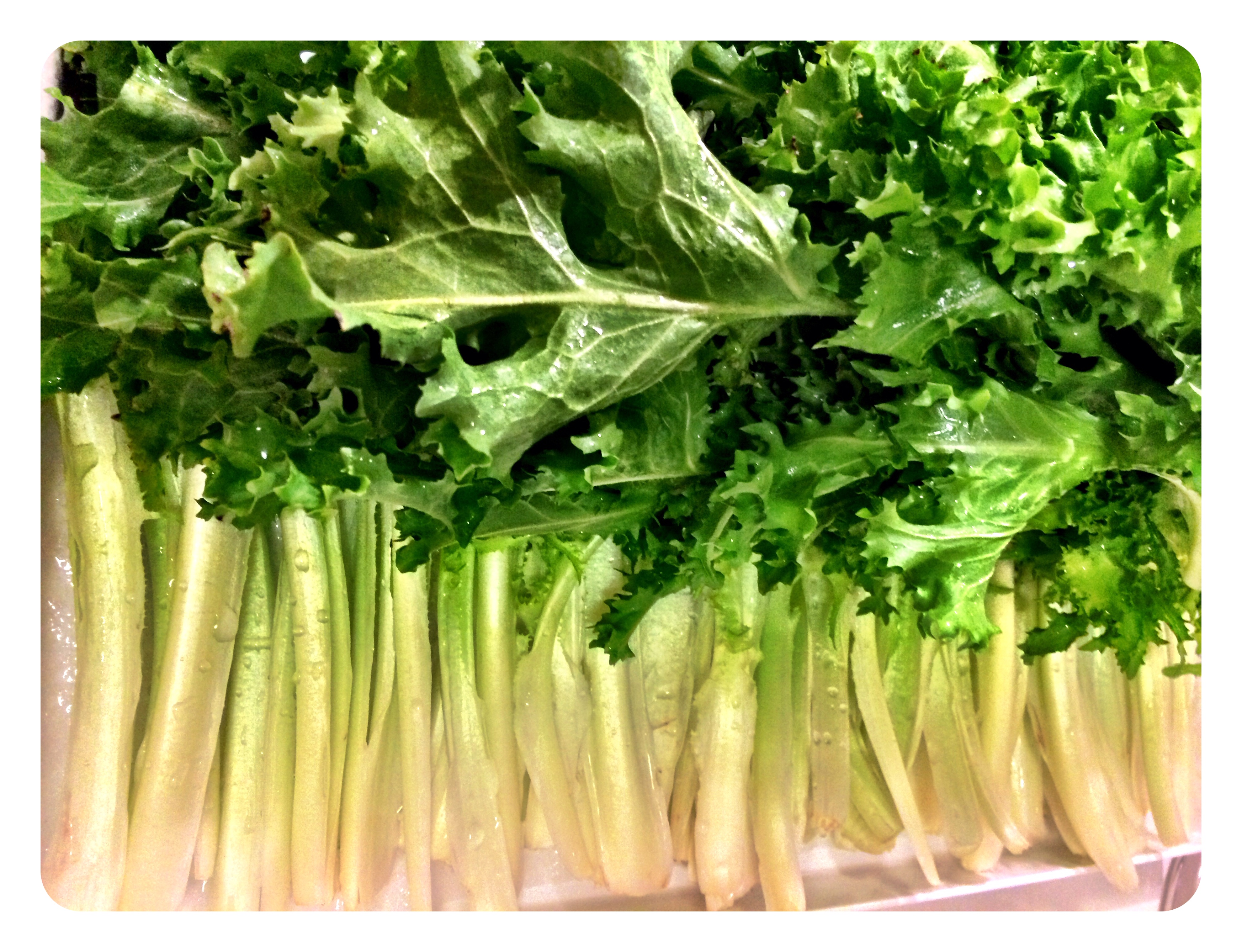
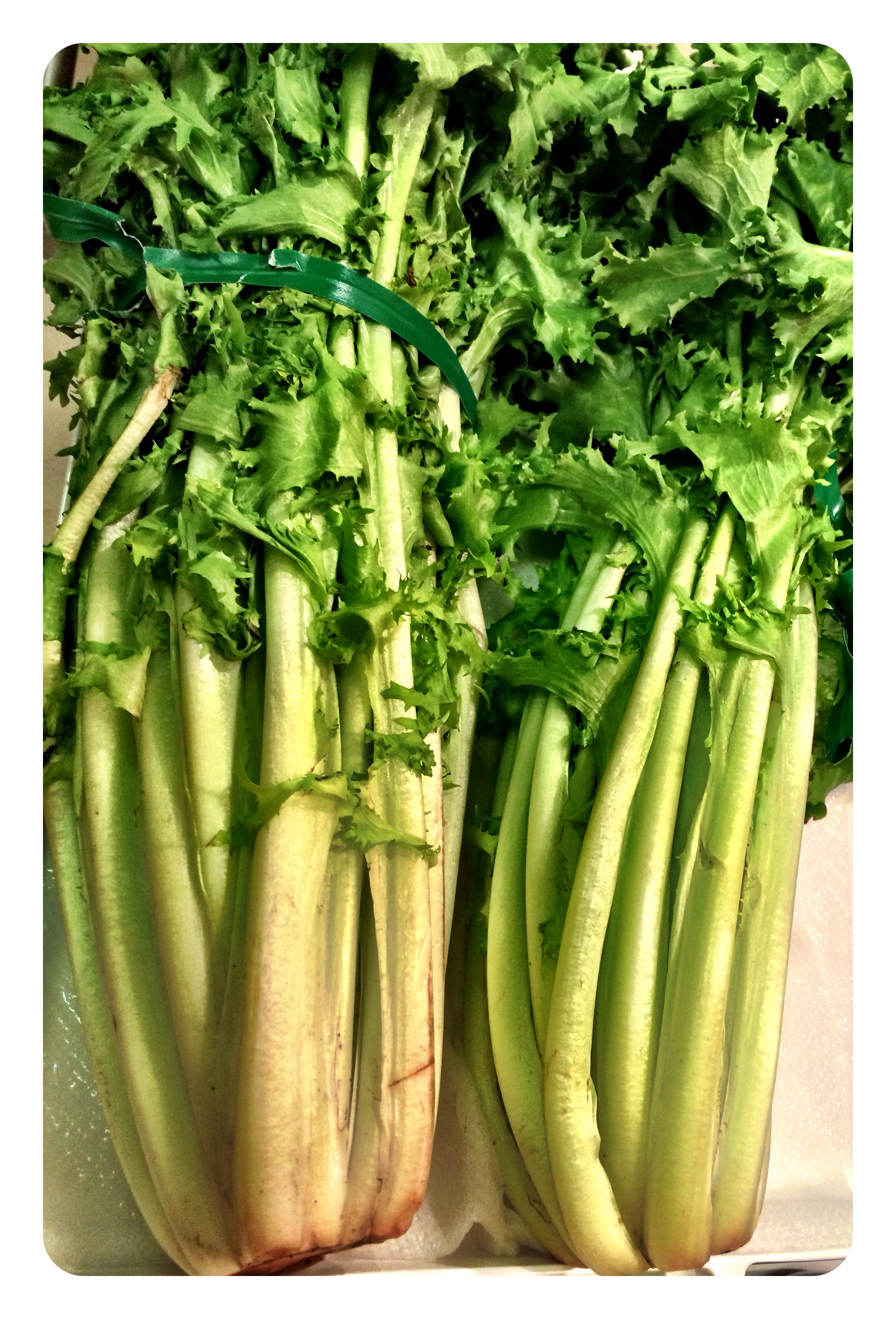
I don’t find chicory very often in stores here, but when I do I take great advantage: I eat it raw as a snack! Now you’re probably imagining a farm pet munching on a grassy meadow, that’s not exactly the case, although I don’t hate the bitterness of its raw leaves, I only snack on the un-leafy stem part of chicory, which is less bitter, crunchy and has a rich taste that makes celery so dull in comparison (you’re probably still imagining a munching pet; my husband often tells me that I should have been born as a bunny, I take that).

photo 2

Chicory – Leaves and stems separated
While leaves can be used for cooking or in salads, stems are a great, crunchy and refreshing snack.

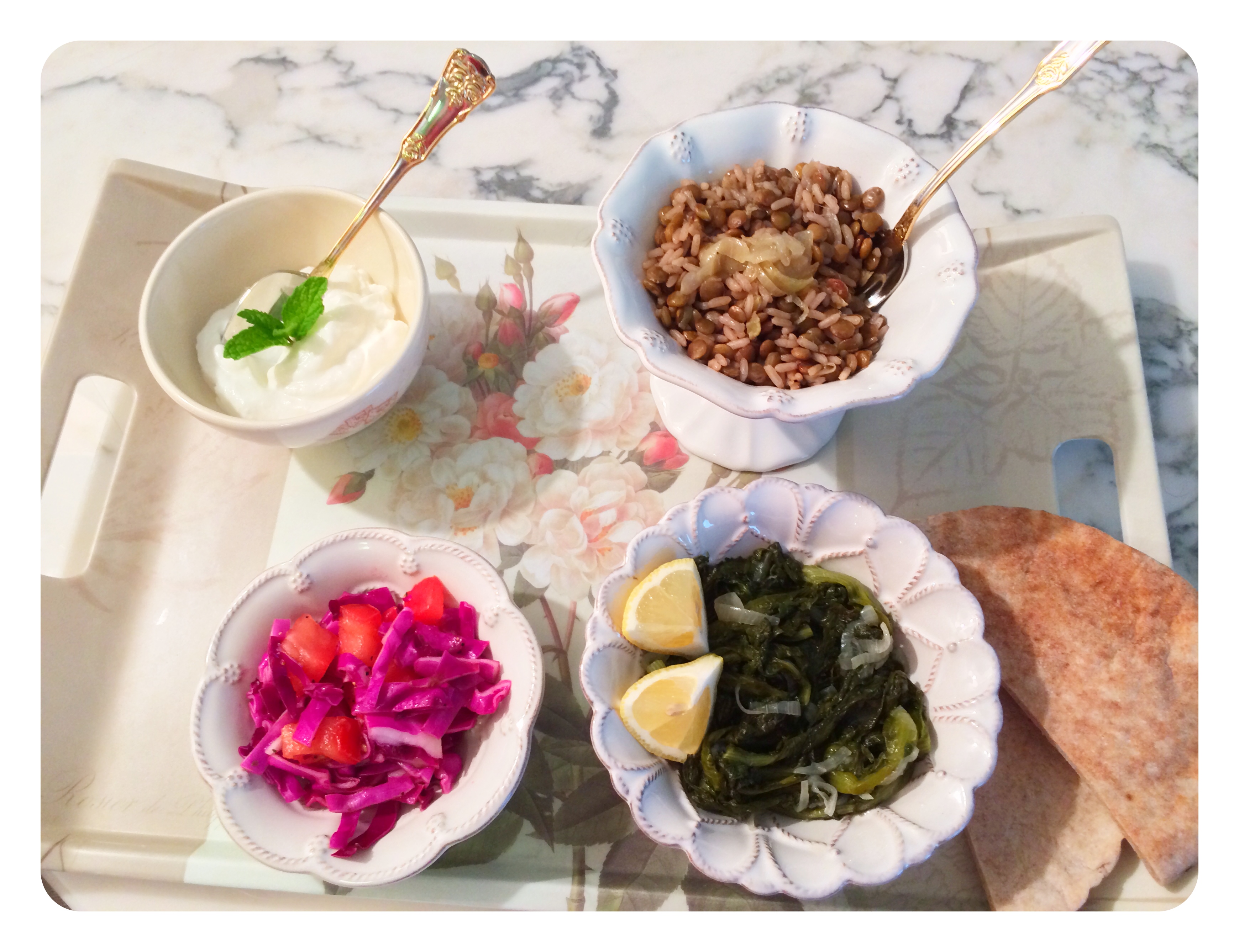
I also prepare chicory as a salad with a light, homemade vinaigrette (olive oil, lemon juice and herbs). However, the ultimate way to really savor the best of chicory is to cook it for a short time in boiling water then sauté it with caramelized onions and lemon juice… so yummy with pita bread!

photo 1

A popular countryside vegetarian meal in the Middle East
An assortment of sautéed chicory or dandelion with pita bread, cabbage-and-tomato salad, lentil-and-rice pilaf and greek yogurt

Chicory is a preferred ingredient in Mediterranean cuisine. Wild and cultivated varieties are both popular. They are mainly used in salads nevertheless they can be a perfect replacement to any leafy vegetable in many cooked dishes. From Provence to the Middle East recipes abound and vary but chicory’s draw is the same: an appetizing taste, a medicinal character (detoxing, diuretic and tonic) and a great nutritional content. Chicory is an excellent source of vitamins and minerals mainly folic acid, vitamin A, potassium and vitamin C.

My Daughter and her iPad

IMG_2302

We introduced the iPad early on in my daughter’s life. As soon as her motor and cognitive skills started developing, her tiny little fingers were serving for more than just grabbing random items to put in her mouth, they were serving to discover by trial and error how to use this fascinating electronic device which never fails to respond and often has something new to offer… our tiny little one was reaching out to the cyberworld! Before she was one year old, she was able to navigate it like a pro, switching from apps, to pictures, to filming short videos, to snapping so many bizarre selfies and then to cartoon watching on YouTube!

We were aware of the potential negative impacts of tablets on young kids ranging from attention deficit problems, to vision problems, to the development of sedentary and anti-social habits, therefore we tried to limit the time she spent with her magic tablet to a strict minimum. We had an initial rule of offering her the iPad only as a last resort to keep her calm and entertained when there was a need to get some things done and no help was around. With time, the rule started to bend gradually to accommodate her increasing demand for attention and stimulation coinciding with the increasing demands of our daily routine which was leaving us with less and less energy and time to interact with her as she grew older. Since we were under the impression that it was working wonders with her educationally and intellectually (I can’t say that I’m not still impressed by some of the things that Le Petit Genie app has taught her) and more specifically in providing her with a more fulsome exposure to French which we worried she was lacking in New York, we started to let go … and then the iPad quickly took control.

Today my daughter is 2 and the first thing she asks for when she wakes up at 6:30am is her iPad. She wants to watch her all-time favorite cartoon “L’âne Trotro”, or play with “Talking Anya” the doll which repeats what the child says (and will give you the most insane headache!).

I understood that the iPad became problematic when she started preferring it over her toys and books and was asking for it all the time. On one particular occasion that I remember vividly, we were strolling outdoors and she asked me to go back home to “watch on iPad”! (I immediately teared up). Lately what was even more alarming is that she started demanding to eat while in front of the screen. The idea that I (nutritionist) am setting my daughter on a sedentary (couch potato) path with the innumerable health detriments that go with it started to horrify me.

Tablets are still a relatively new gadget and since my daughter’s generation is the first to get exposed to them at such an early age, there aren’t enough studies to scientifically prove the many potential risks on a developing kid’s body and mind. That being said, there’s no need for studies or research to notice that this tablet, despite its interactive nature, will, without strict control, end up causing the same detrimental effects that unmonitored TV and video games’ consumption by kids has been known to cause for some time now (ADD, eating disorders and social problems included).

I can’t say that there weren’t times recently when I was so discouraged by the iPad’s take-over that I even flirted with the idea of getting rid of it altogether, but technology is here to stay and my daughter will be part of a generation which is bound to incorporate it increasingly into every aspect of their lives (whether it is for work, to connect with other or for entertainment), therefore rather than inhibiting her ability to learn to interact with it and risk putting her at an unfair disadvantage which may cause its own social issues for her growing up, I decided to enforce some structure on her relationship with the iPad and hopefully this will teach her how to keep those boundaries with technology throughout her life.

Therefore, I decided, as a pre-2014 resolution, that a strict rule for using the iPad for no more than 1 hour/day is warranted and no food is allowed during that time. I was also happy to learn today, by doing some research for this post, that there are recently released guidelines by the American Academy of Pediatrics which encourage parents to limit entertainment screen time to less than one or two hours per day and in children under 2, the guidelines discourage screen media exposure altogether. Therefore, my resolution seems to be in line with their recommendation.

So genius apps and French cartoons will just have to stand in line as my daughter’s health is taking center stage! Pray for me! I’ll keep you posted with how this resolution pans out!

Oups, alarm clock ringing! Time for me to go back to my little one…
Coffee, Teas and Tisanes

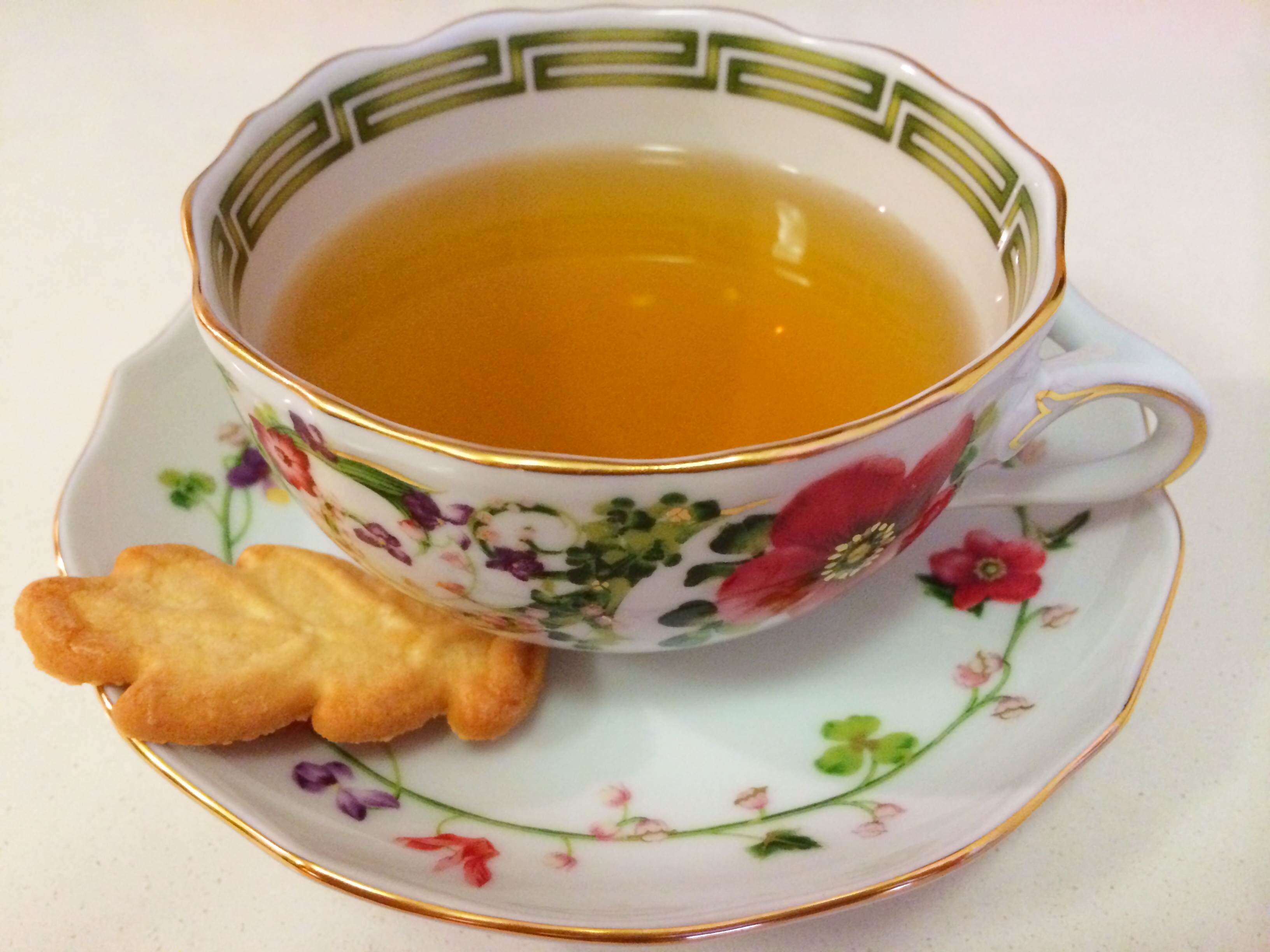
Green tea

Green tea

You’re pregnant, trying to get pregnant or you’re breastfeeding and wondering if it’s still safe to rise and shine with your usual morning coffee, or if you can still delight in your afternoon tea or savor your comforting bedtime herbal tea?

Here are some facts:

  • Coffee and non-herbal tea during childbearing (conception, pregnancy and breastfeeding):
Cappuccino

Cappuccino

Coffee and non–herbal teas (like black and green tea) contain high amounts of caffeine. There’s still not enough data about the safety of caffeine for an embryo, a fetus and a newborn. Caffeine ingested by a pregnant woman gets to her bloodstream, can reach the placenta and therefore crosses to the fetus’ blood. It can also get to the breast milk. It’s best to avoid caffeine during those periods or to minimize your intake to no more than 300 mg/day, which is about 2 servings of coffee, tea or other caffeine containing drinks like soda (cola), energy drinks and maté. Decaffeinated versions could be an alternative to regular coffee and teas since they contain a low amount of caffeine.

  • Herbal teas during childbearing:
Herbal tea

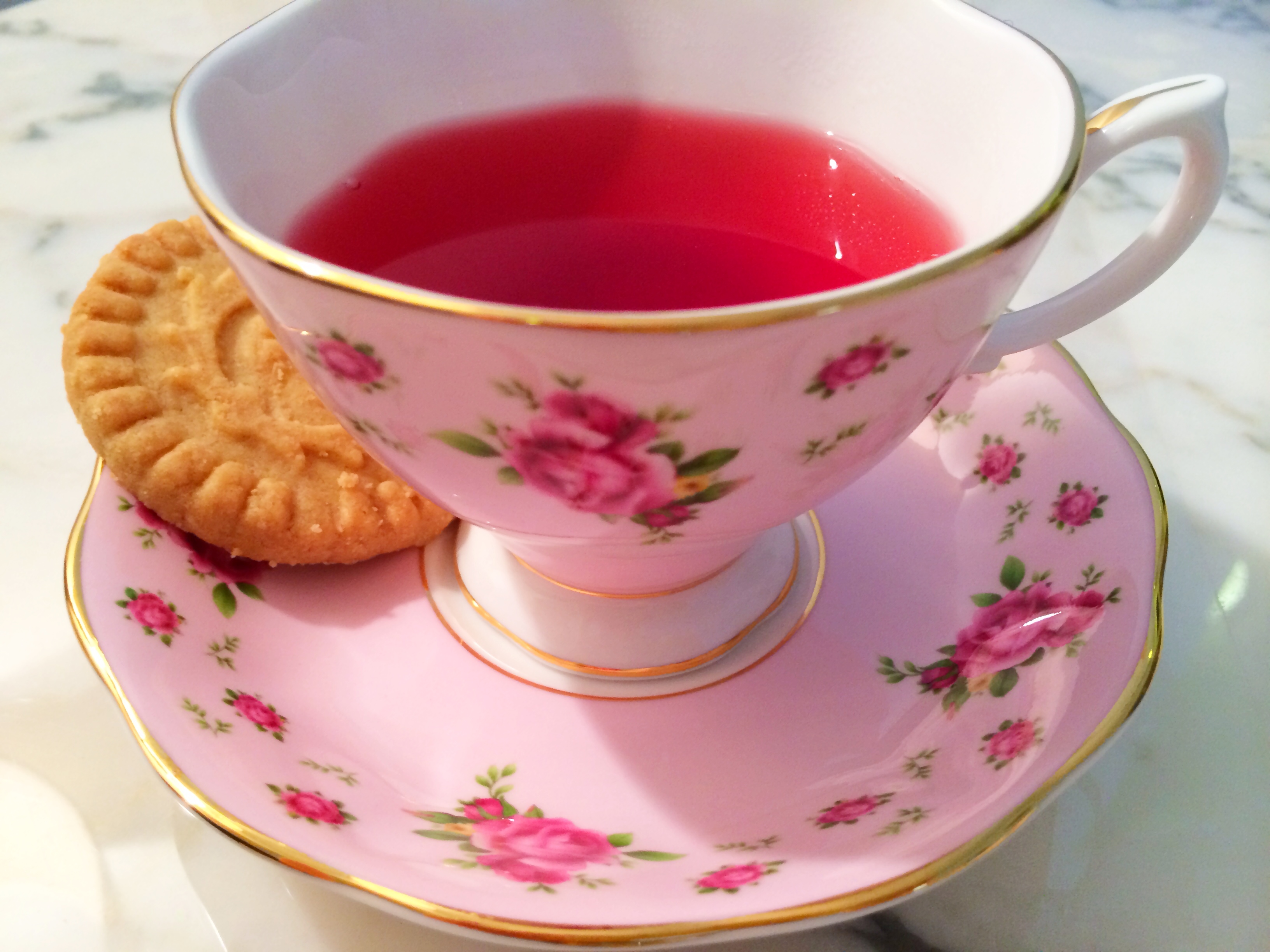
Rosehip tea

Herbal tea or tisane is a tea that generally doesn’t contain caffeine and is made mostly from an herb or could be a blend of different types of herbs, spices and other plants.

Although natural generally rhymes with something good and that’s why a lot of brands try to use that term in marketing their herbal products, it is not a synonym of safe. Natural herbs can sometimes have a drug-like effect on our body. There are so many types of herbs on the market, few of them are scientifically studied and even less are tested for their hazardous effects during pregnancy and breastfeeding. Also herbs sold in pharmacies and health stores are still not regulated by health agencies and so there’s no guarantee of their safety, effectiveness and purity. Hence, it’s best to be cautious when opting for a cup of tisane. Here are some options of herbal teas that are considered safer than others but should also be consumed in moderation (2 cups/day): ginger, bitter orange, citrus peel, echinacea, peppermint, red raspberry leaf, rosemary and rosehips.

In moderation and with a bit of care, keep on relishing your little pleasures!

Crazy Cravings!

cotton candyPregnancy hormones are bringing out the worst in me! Euhhh, let’s just stick to food here! While I thought junk food is something I had by now fully defeated and my body has fully detoxified itself from all the residues of my juvenile consumption, much to my surprise I discover that my unrefined kidlike sweet tooth is making a comeback right at the most sensitive time when I should be feeding myself and my infant some real food! I can’t believe that the other day I was walking down the street with a bag of sour jelly strings while strolling my daughter, and discretely munching on these rainbow colored gelatins hoping that no other passing mama sees me and gives me the look! I hoped it would stop there, but it didn’t! A couple of days later, while I was running after my daughter in the park, I saw a cotton candy vendor passing and again my hormones sprung into a “ding ding” musical! The worst part this time is that I couldn’t hide that from my daughter, whose eyes bulged out at the sight of the bright pink candy!

While I found that repressing my cravings is not the solution but is more often counter effective, I decided to accomodate my body’s wishes. So when a bad craving strikes, if a healthier option wouldn’t satiate, I decided to go ahead and enjoy the food I craved but in a small amount. For example, according to my rule, one bite of that cotton candy would have been more than satisfactory. Now practice and scheme can differ a bit but it’s important to have a plan!

Here are some healthier snacks when you feel like something

  • Crunchy: rice cakes; toasted whole-wheat pita bread; unsalted nuts or sunflower seeds; low-fat popcorn; whole-grain crackers; unsalted whole-grain pretzels; trail mix and raw crunchy veggies like celery.
  • Creamy: low-fat ice cream; low-fat vanilla coffee; low-fat flavored yogurt; and yogurt and fruit smoothie
  • Chocolaty: dark chocolate bite; dark chocolate-dipped strawberries, banana or dried fruits; low-fat versions of: chocolate pudding, frozen fudge bar, hot chocolate milk and banana frappe
  • Sweet: fruit jam with no added sugar; honey; frozen pops with 100% juice; sorbet; dried fruits or fruits like grapes; and melon

Don’t forget to keep the portion small!

Beat the Cold with Beet!

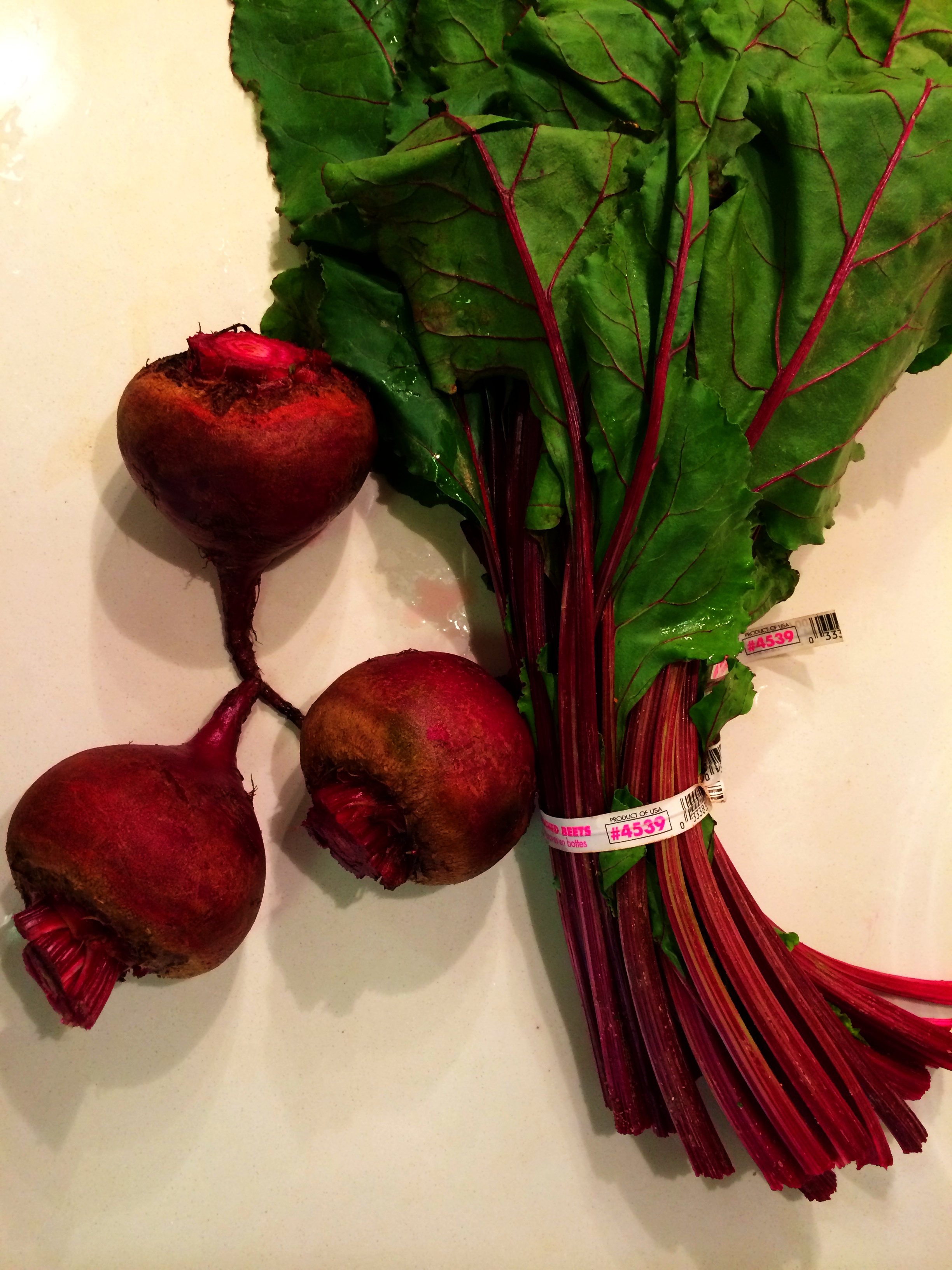
beet

Did you know?

  • Beet is not only used to produce table sugar, it is also a delightful addition to your menu
  • Its remarkably vivid color isn’t only perfect for a bloody Halloween, but it’s also an indication of its powerful antioxidant and pigment, betalain
  • You can eat it all: roots, leaves and stems and benefit from all the nutrients (mostly vitamin A, vitamin K and phytonutrients with very strong antioxidant power)

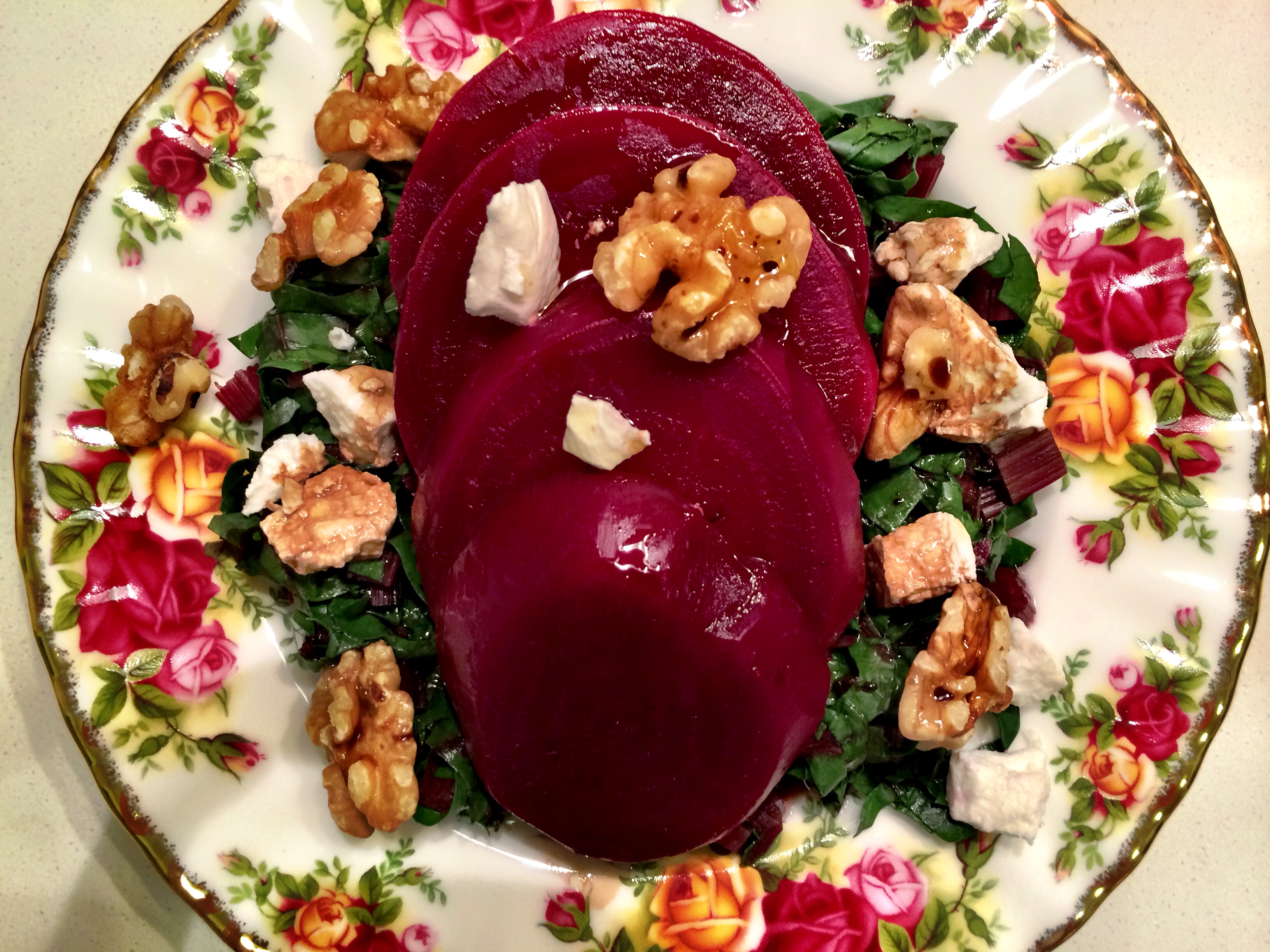
Try this succulent warm salad, my latest experiment with beet:

Ingredients:  -Boiled beetroots -Raw or steamed chopped beet leaves and stems -Sprinkle of goat cheese and walnuts  -Drizzle of balsamic vinegar and olive oil

Ingredients:
-Boiled beetroots (preferably served warm)
-Raw or steamed chopped beet leaves and stems
-Sprinkle of goat cheese and walnuts
-Drizzle of balsamic vinegar and olive oil

Eat Green

Kale juice

Kale juice

Since I moved to New York, I have come to notice that people here are fad obsessed, particularly in relation to body image issues. They enroll in the latest and hottest mumbo jumbo celebrity workouts with the funkiest names ever like “Zumba!”, they follow the latest diet or un-diet (fasting) trends like the 5:2 diet, the master cleanse detox, lemon juicing diet, raw food diet…but what particularly caught my attention is the kale craze! New Yorkers love kale! They swear by kale juice, feast on kale salad and sandwiches and snack on kale chips. There’s even a National Kale Day (which happens to be today by the way, Happy Kale!). Don’t get me wrong, I have nothing against kale and I’m actually a big fan myself of kale Tabboule and appreciate the nutritional benefits of this wonderful green veggie. I do feel however that there’s an excessive adoration of kale, which distracts from other interesting veggies that correspond to the same green category, have a very similar nutritional profile to kale and some are even more worthy of being singled out. So if you’re like me, tired of kale or even spinach but want to keep benefiting from the amazing nutritional and gastronomic qualities of green leafy vegetables, it’s time to introduce your cuisine to chard!

Chard is very comparable to spinach but with a bigger leaf and has a less accentuated taste than kale.  Just like the venerated kale and Popeye’s spinach, chard is a great source of fiber, vitamin C, vitamin A, magnesium and potassium, contains iron, calcium and folic acid. Also note that it’s slightly lighter in calories than kale and spinach and is a good laxative and diuretic. There are so many ways to enjoy chard, here are some of my favorites:

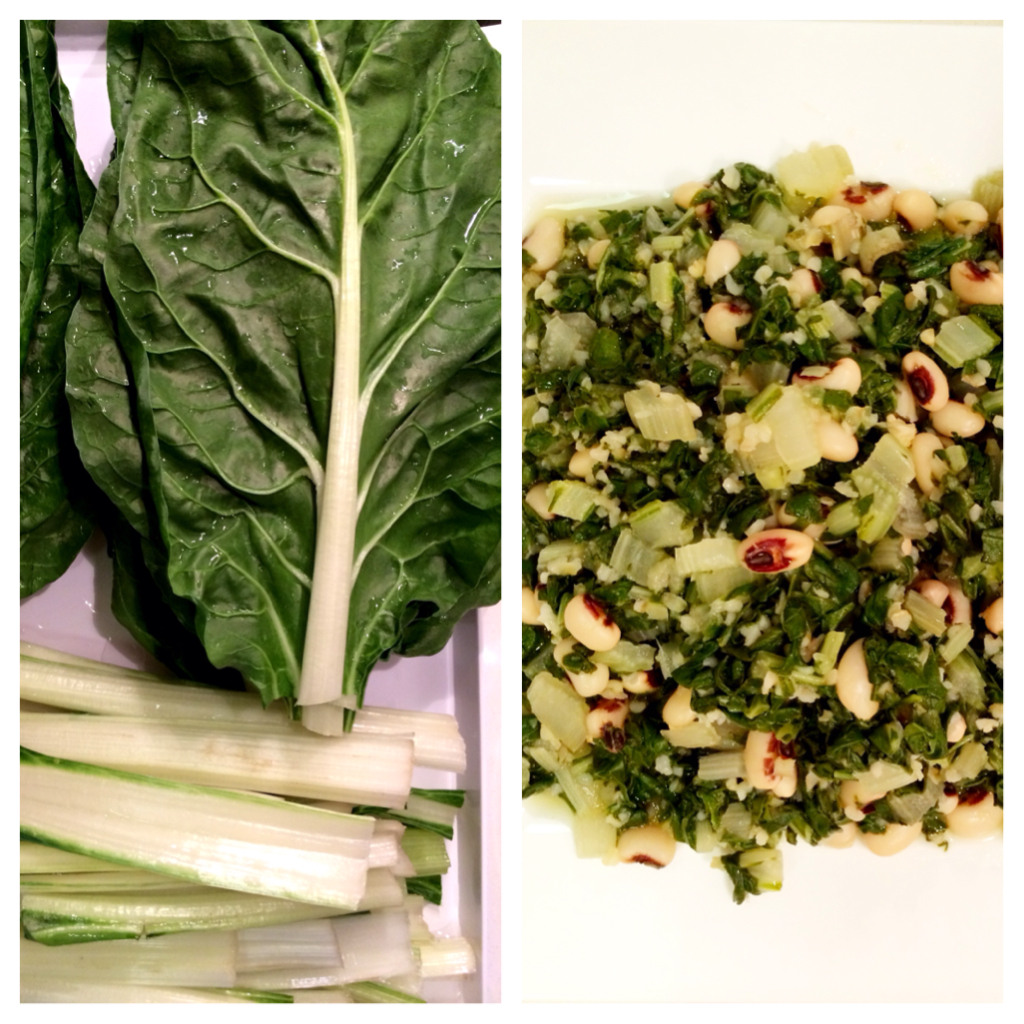
Zesty chard salad / appetizer with blackeye peas

Zesty chard with blackeye peas salad / appetizer

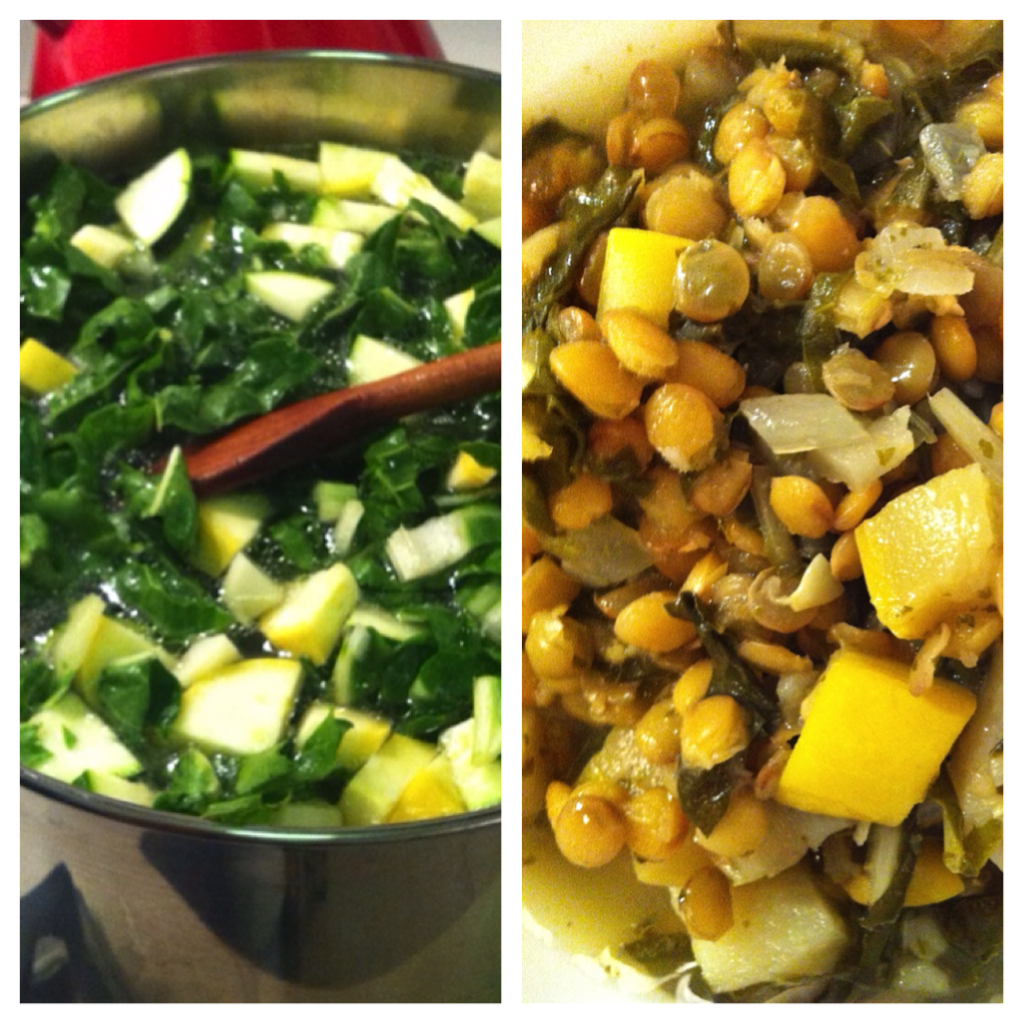
Chard and lentil soup (also includes zucchini, potato and onions)

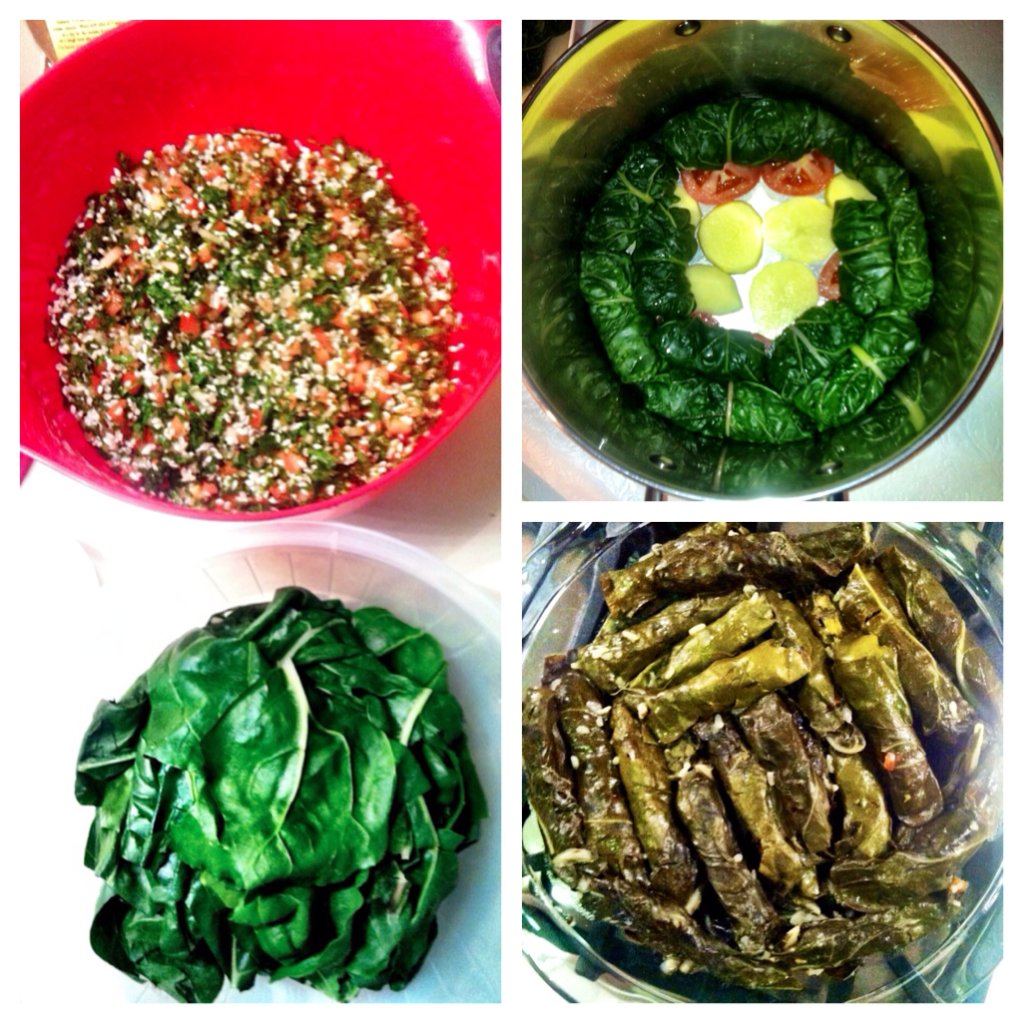
Chard stuffed with a Tabbouleh-like mix

Chard stuffed with a Tabbouleh-like mix

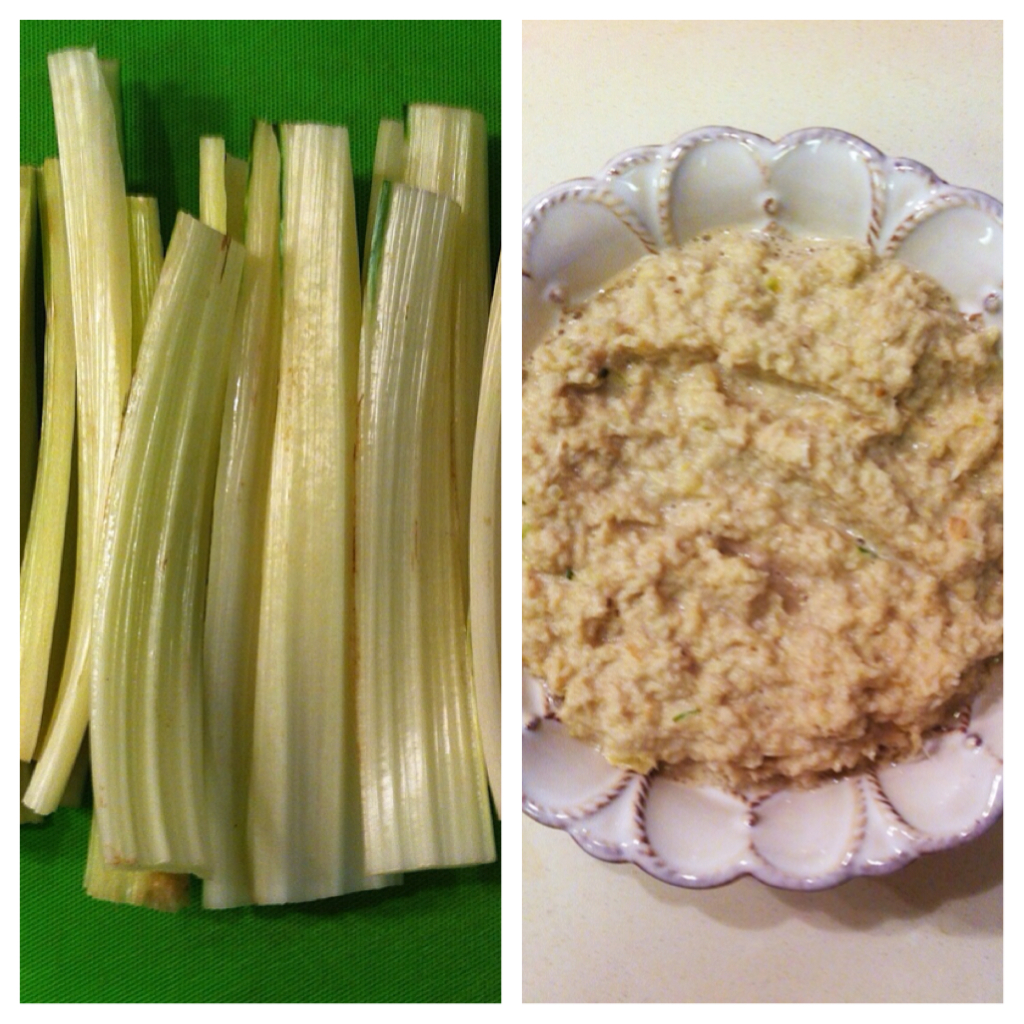
Chard dip (prepared in a similar way to hummus, but since we're replacing chickpeas with chard, it's lighter in calories)

Chard dip (prepared in a similar way to hummus, but since we’re replacing chickpeas with chard stems, it’s lighter in calories)

Sugar Substitutes and Pregnancy

Sweeteners

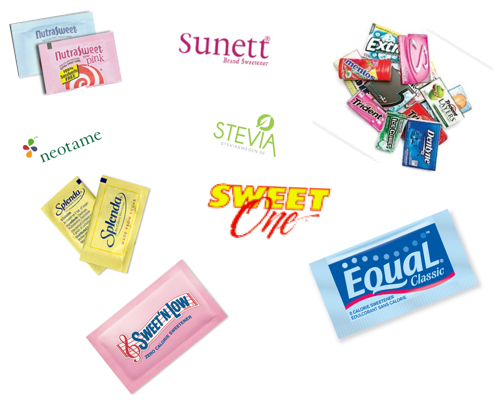
A lot of controversy surrounds the safety of artificial sweeteners. Most health professionals consider the majority of such sweeteners relatively safe during pregnancy. Some professionals however recommend avoiding them altogether during that period and associate their use to birth defects. Scientific research regarding their general safety is still unfortunately neither comprehensive nor absolute. The ideal approach a pregnant woman can take during her 9 months of gestation is to be prudent and limit her use of such chemical additives. Pregnancy is not the right time to cut on calories anyways so it might be just fine to replace the artificial sweeteners with sugar or honey when you inevitably need that sweet taste (except if you are dealing with carbohydrate intolerance such as gestational diabetes, in which case you need to consult your doctor or your dietician to discuss regulating your sugar consumption). Moreover, a lot of processed foods that contain sugar substitutes are not necessarily calorie-free nor (like in the case of diet soft drinks) do they provide you and your fetus with essential nutrients you both need.

Whatever position you decide to take in relation to artificial sweeteners, you should absolutely avoid Saccharin during pregnancy because it’s proven to be capable of crossing the placenta and getting to your fetus’ developing tissues. Additionally, you should note that the US banned the use of Cyclamate based on some studies that have shown a link to bladder cancer.

Other sugar substitutes like sugar alcohols (such as Maltitol and Xylitol found in sugar-free chewing gums and some other processed foods) are not a big concern when it comes to safety but they do cause digestive problems if you go overboard or in case of a regular intake. Since you are already vulnerable to such discomforts by virtue of being pregnant, you probably don’t want to add to them!

Bringing Veggies Back!

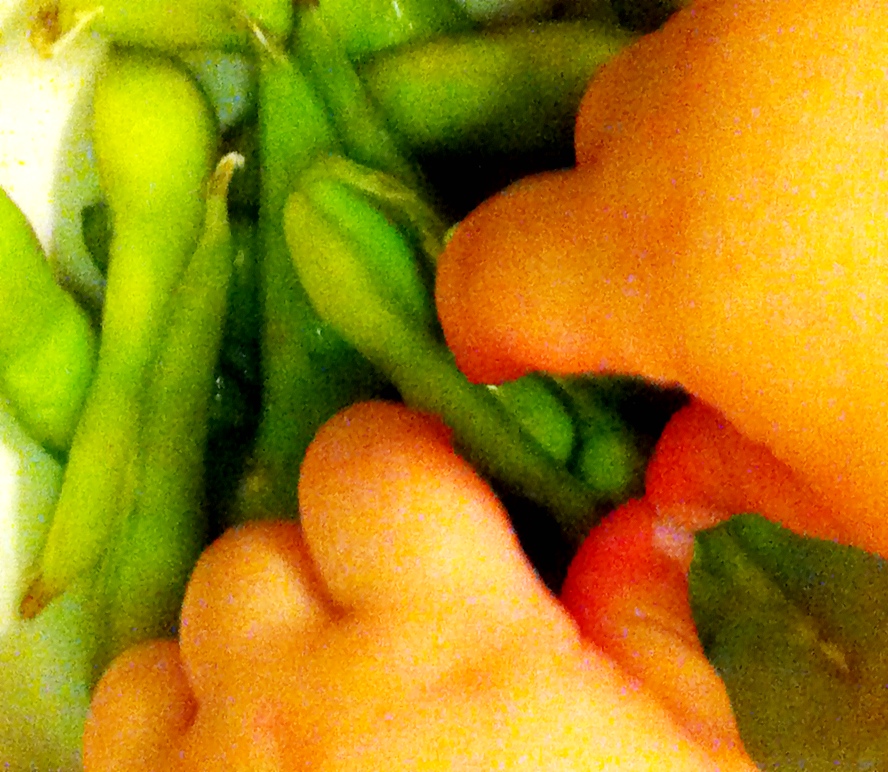
Edamame

Whether at your doctor, the dietician clinic, in health awareness ads, books and magazines or through Michelle Obama’s inspiring anti-obesity campaign, you’ve probably been lectured one way or another about the importance of “getting your kids to eat their veggies!” Still, many kids have little or no interest in eating vegetables and therefore lack essential nutrients in their diet. Here are my TOP 5 TIPS on making sure you get your child on the right veggie-track:

  1. Start early because your kid’s food preferences are like pottery and become harder to change as they solidify with time.
  2. Be consistent and proactive in making sure that you offer your kid healthy choices and avoiding that your precious little one develops a picky-eater habit.
  3. Make this a family project by setting a good example and making sure that any brothers and/or sisters are setting a good example as well. Kids love emulating their parents and siblings.
  4. Make food time fun by letting your kid count his peas, learn how to say the color of a carrot, the texture of a spongy eggplant (yes a raw eggplant!) and laugh at the bizarre new taste of a lemon!
  5. Give your kid some autonomy with the veggies! Kids love to discover things on their own and can develop an aversion to things when they are forced upon them. So as the choking hazard dissipates, let your kid enjoy some healthy veggie food finger choices: Fava beans, chickpeas, celery, cucumber and red pepper sticks, cherry tomatoes and steamed Brussels sprouts (cut in halves), steamed broccoli, cauliflower and asparagus…

You’ll be surprised how moldable kids are at an early age! In no time, they’ll be looking for the spinach in their plate and snacking on celery!

My 2-year-old daughter loves the sweet-ish nutty taste and tender texture of edamame. Many think of edamame simply as a bean appetizer at their favorite Japanese restaurant but their benefits far surpass this occasional treat. Edamame soy beans are usually sold in frozen packages in most grocery stores and make a great addition to one’s diet either as a snack, an ingredient in stir-fried or sautéed dishes or in a soup. They have the veggie baggage (rich in fiber, vitamins, minerals and antioxidants) boosted with rich protein content making them a meat substitute and also contain a small amount of unsaturated fat (the good type of fat). My daughter usually enjoys them as a snack but when there is no cooked meal in sight, I throw a bunch of steamed edemame in a plate, coupled with some cubes of cheddar cheese and some cherry tomatoes and Voilà! Lunch is ready!

Keep an eye out for allergies as you are introducing new food to your child’s diet. In effect a small percentage of children are allergic to soy. 

Lemon and Salt Craving

lemon

The vendor down the street must think I opened a lemonade business or I’m doing some crazy daily lemonade detox! I usually love sour food such as citrus fruits, pickles, sour vinegars and molasses and sour candies, but I never thought I could peel and eat 2 to 3 fresh whole lemons all at once without a single grimace (I’m sure you’re frowning just at reading this) daily! A week ago, I started this lemon snack crave. So randomly throughout the day I bite and munch into pieces of lemon generously sprinkled with salt and I strangely enjoy the experience! It’s an elixir to my “morning” sickness that strangely never occurs in the morning by the way! Instead, it only kicks off towards the end of the day.

If you’re pregnant and you’re having a lemon & salt craving, here are some facts.

Pros:

  • Lemon smell helps ease pregnancy nausea.
  • The juice of a lemon alleviates dry mouth and helps prevent dehydration when water is harder to gulp.
  • This snack is zero in fat and very low glycemic while providing many important nutrients. Lemon is an excellent source of vitamin C, is rich in fiber and a good source of other vitamins and minerals like B-complex vitamins and Calcium.
  • I’m usually an anti-salt foodie and campaigner because sodium can rise blood pressure and lead to serious heart diseases. However,  in general during the early months of pregnancy, the circulatory system expands rapidly so blood pressure is likely to drop. So adding a little salt from time to time might not be too bad.

Cons:

  • During pregnancy, many women suffer from heartburn and digestive problems. The excessive acidity in lemons may trigger or exacerbate these symptoms.
  • Help!! Teeth sensitivity!! Also citric acid may damage the enamel of your teeth.

Bottom line, you should always listen to your body and follow its signals. Cravings are sometimes signals of your body’s needs!