Deliciously Spoiled

My mom’s idea of supporting me through the pre and post labor phases has meant for the most part cooking and cooking some more… of course she went way overboard and I’m enjoying every bite of it, each bringing back unique childhood memories and a lot of comfort as it reminds me that I have the support I need to go forward…

Ghada's Food

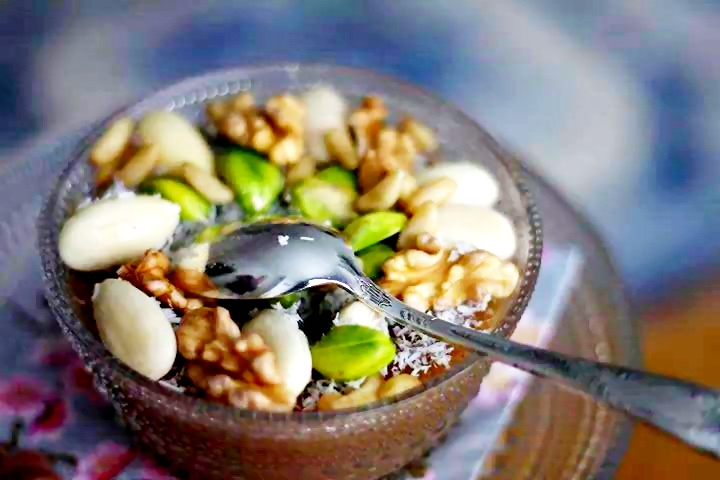
I particularly want to focus on Meghleh, a traditional Middle Eastern pudding served as a treat to family and friends after the birth of a new baby.

meghleh

Meghleh has been flowing in my house for the past couple of weeks and I have consumed industrial amounts of it! Not only is it smooth, delicious, festive and addictive but more importantly for breastfeeding mommies, it can give you a much needed and quick energy boost to cover those extra calories you’ll still need to insure your milk supply while benefiting from its healthy ingredients:

  • Spices: caraway and cinnamon (Grandmas swear that those spices help stimulate the breast milk production)
  • Rice flour
  • Sugar
  • Toppings: shredded coconut, raw walnuts, pine nuts, almonds and pistachios, each boosting your diet with filling protein, fiber, healthy unsaturated fats and important vitamins, minerals and antioxidants.

Crème de la Crème

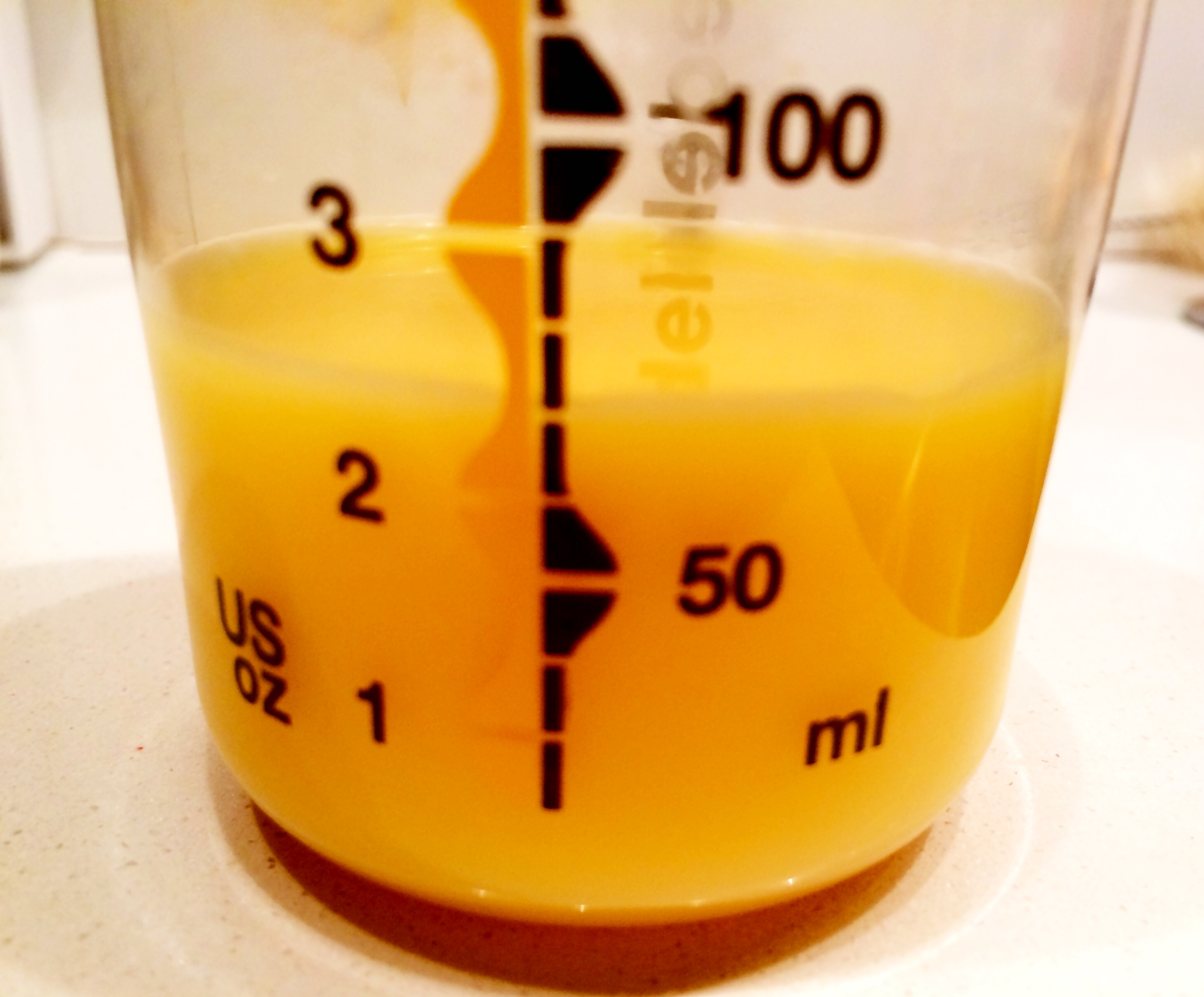
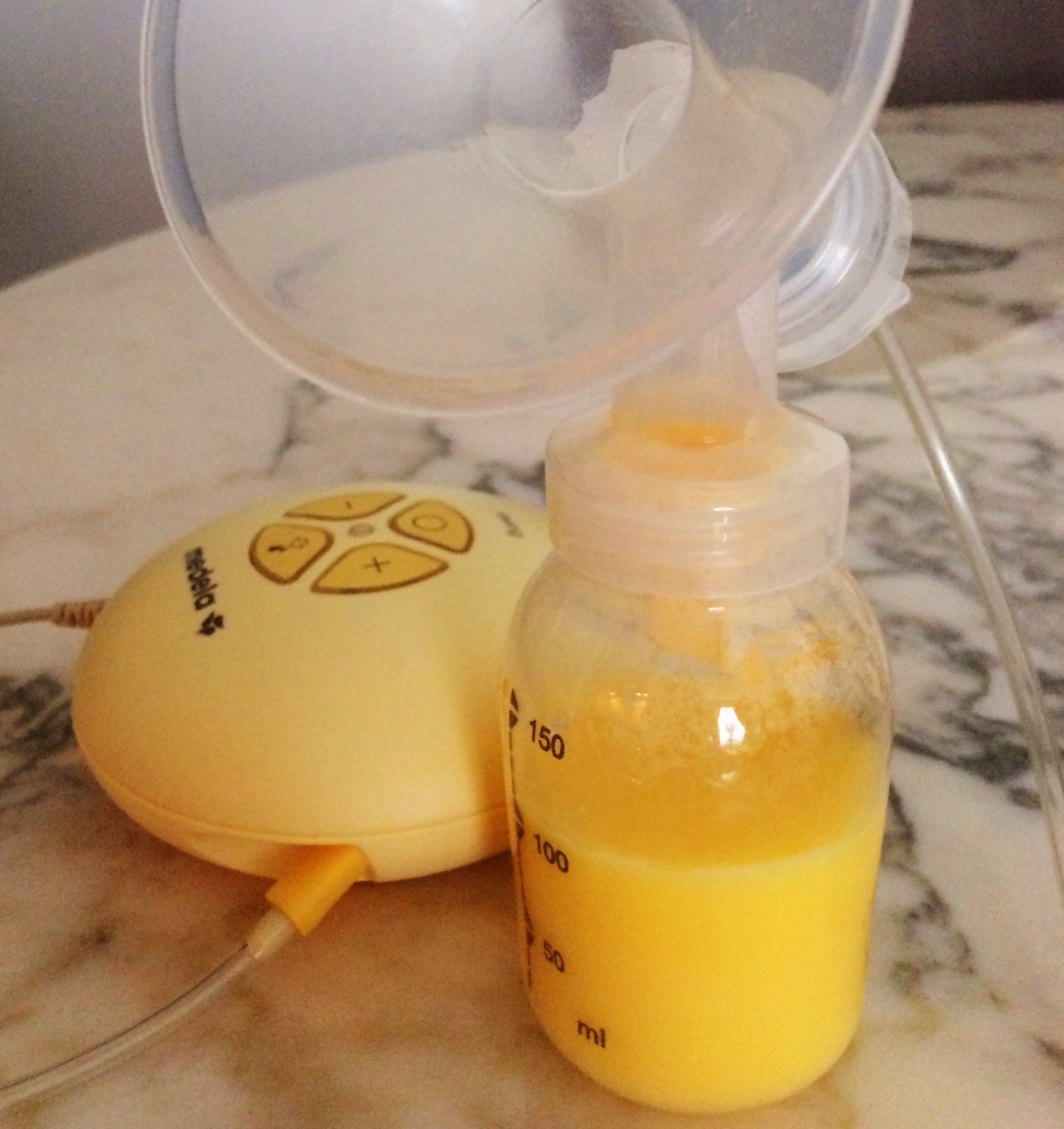
Colostrum

While waiting for the real deal to flow, the first milk a breastfed baby would savor for a couple of days after birth is the colostrum. Colostrum is a thick yellow-orange fluid with creamy texture, concentrated and not very abundant. Highly packed with so many goodies (proteins, vitamins, minerals and antibodies that boost your infant’s immune system), it protects your baby from disease and gives baby everything he/she needs. It’s the best way to start your baby’s nutrition, nothing else comes close. This incredible substance acts as a natural vaccine and has certainly contributed to protecting my tiny little baby from the harsh flu I got shortly after my delivery, even though baby and me are practically glued 24/7! (of course a protective mask for mommy and other sanitary precautions around the house are also imperative to minimize the likelihood of baby catching the virus)

Breastfeeding Etiquette

Method

  • Start breastfeeding right away, even in the delivery room! Nursing in the next hour or so of your baby’s birth is very important to stimulate milk production. You won’t be too sad to learn that you might be asked to do away with the lovely hospital gown for your first breastfeeding, as skin-to-skin contact between mommy and baby is recommended to jump start the natural bond and breastfeeding.
  • Avoid or minimize bottle or pacifier use, as it can get in the way of developing a good breastfeeding routine.
  • Have your baby in your room the first few weeks so you can nurse more often and on demand, this will help improve your baby’s sucking which in turn will build up your milk supply.

Essentials

For Mommy

  • At least 3 comfy and well-fit nursing bras
  • Nursing pads
  • Nursing pillow
  • Lanolin (nipple cream)
  • Breast milk pump
  • Nightgown, pajamas or other clothes that button or snap down from the front
  • Hand sanitizer

For Baby

  • Bibs
  • Burp cloths
  • Sterilized milk bottles for when you need to pump your milk (either buy a sterilizing machine for the bottles or you can just boil them for a couple of minutes in hot water)

Colostrum pump

For Sanity

  • Make sure your washer and dryer are in good condition because they will probably be running non-stop!
  • Wait until the colostrum phase is over to introduce your favorite onesies as the stains it creates are much harder to wash off.
  • Train another person to burp your baby after each feed (so you can take turns) and this way you can get some extra time for rest between feeds.

Last Days of Winter

The last stretch of winter is the toughest. You’re sick and tired of the gloomy weather, beaten by the cold and worn-out by the toll of heavy coats and layers on your shoulders. When these blues hit me, I take shelter in my kitchen where I always end up finding my remedy: Hello food innovation! Here are a couple of cold-weather-worthy recipes to try shortly before kissing wintertime goodbye!

Cabbage Cigars
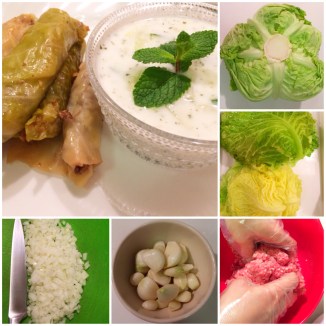
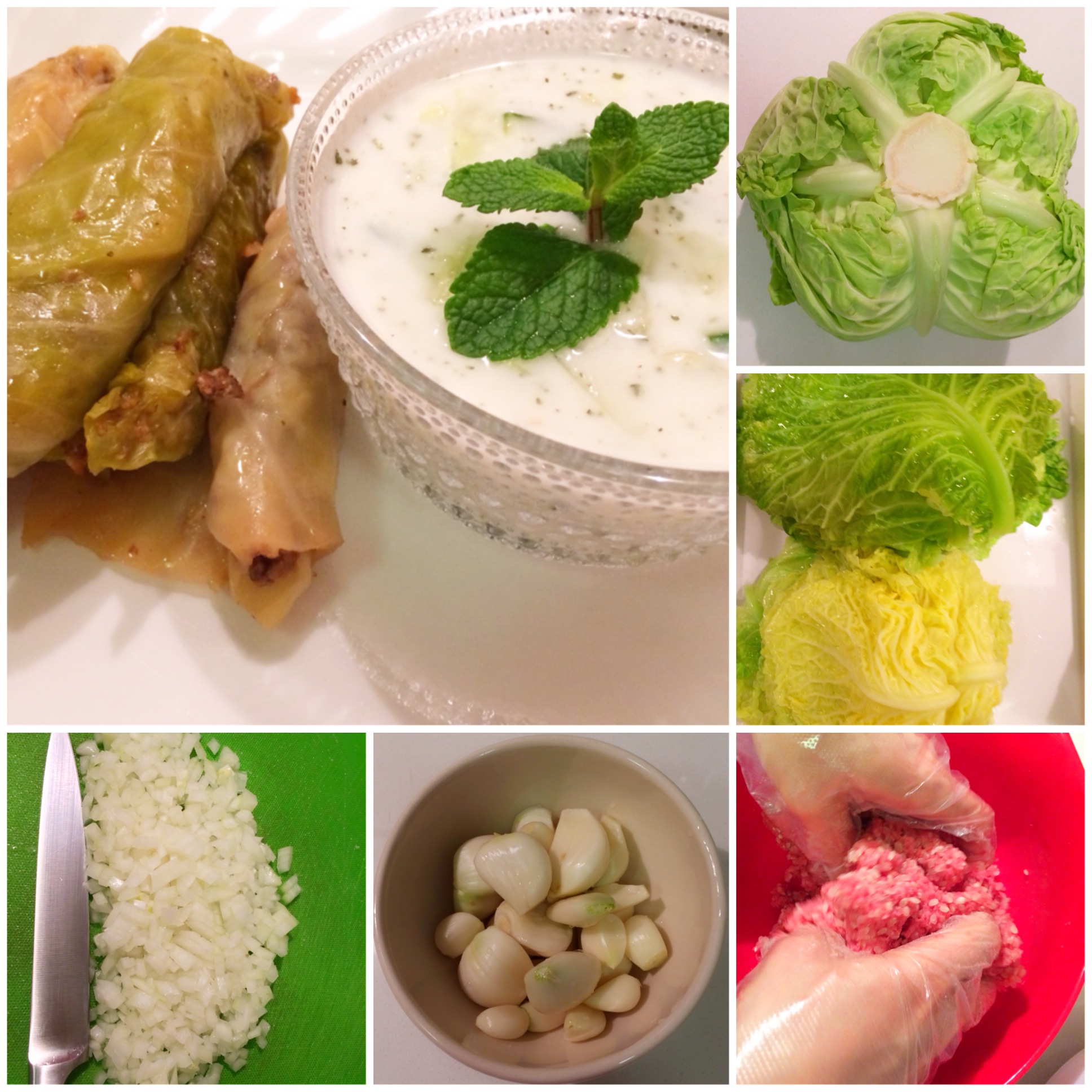
photo 1-19I find that cabbage is usually not given its turn in most people’s diet from both gastronomical and nutritional perspectives. When raw, it’s commonly associated with abdominal conditions (such as bloating and flatulence) and is often kept away from cooking pots, as many find the smell of dissipating sulfur compounds in cooked cabbage unpleasant. Work around its minimal drawbacks and you’ll discern a smooth texture, a sumptuous flavor and a distinguished comfort in this winter veggie, a really great fix for cold days! You’ll also benefit from a great dose of vitamins such as vitamin K, vitamin C and folic acid in as little as 20 calories in a serving (75g).

Here is my favorite approach to savor cabbage:

*For a better digestion: parboil before cooking

*To mask its sulfuric smell: add some lemon juice and/or herbs (such as fresh or dried mint) to the cooking water

Cabbage Cigars is a melting-in-mouth dish! Cabbage leaves are stuffed in minced beef, rice and spices and seasoned with sautéed onion, garlic, mint and lemon juice. Here’s my recipe:

(Makes 6 servings)

1 whole cabbage

Filling:

  • 1 cup of sushi or Egyptian rice
  • ½ lbs. of ground beef
  • 1 tsp. of each: black pepper, allspice, ground cinnamon and salt

Seasoning:

  • 1 onion finely chopped
  • 1 head of garlic peeled (half of the cloves mashed and the other half left to distribute between rolls)
  • 3 Tsp. of crushed (dried or fresh) mint
  • 1 cup of lemon juice
  • 1-2 cup of water (or just enough to cover the cabbage in pot)
  • 2 Tsp. of vegetable oil

Blanch the cabbage leaves in boiling water until they are tender. Cut the leaves in half if necessary and take the thick stems out (save them to line pot). Mix the meat with rice and spices and put aside. Stir-fry onion, garlic and mint in vegetable oil in the bottom of the pot then line the pot with the cabbage stems. Stuff the leaves by placing a tablespoon of the filling mixture in the middle and rolling it like a cigar. Place each stuffed leaf in the pot, one tight layer at a time. Add some garlic cloves here and there. Place a small plate on the cabbage rolls to hold them in place and to avoid the stuffing from coming out. Pour the lemon juice over the rolls and add water to cover the cabbage. Cook for about 1 hour over low heat or until the leaves are very tender and the stuffing is well cooked. Serve warm with plain Greek yogurt or with a minty cucumber yogurt accompaniment. Yum, trop chou!

Spinach Stew 
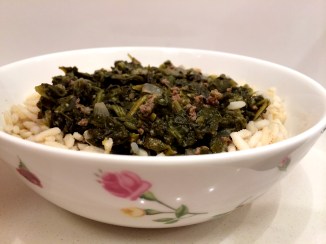
photo 2-16

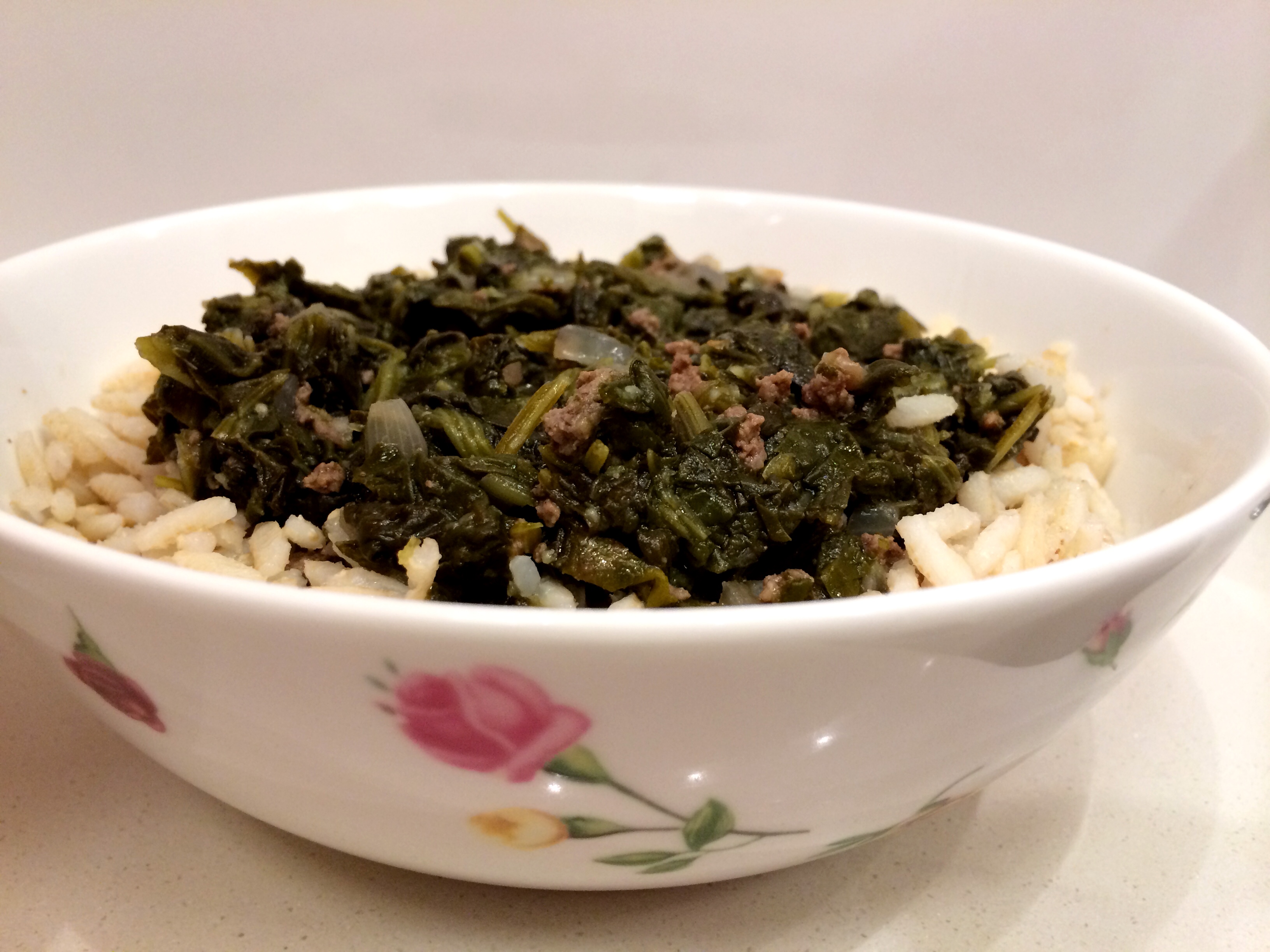
Spinach is a treasure food for a light and healthy cuisine. Rich in water, super light in calories and unlike other veggies, its nutritional profile is enhanced once it’s cooked. Known for being packed in iron, thanks to Popeye, spinach also provides an exceptional amount of other vitamins and minerals (vitamin A, vitamin B9, vitamin K, magnesium and manganese). Furthermore, some antioxidants in spinach are particularly beneficial for the eyes.

Spinach stew is a zesty wholesome dish, a great consolation on cooler days. Moreover, lemon complements spinach perfectly as it enhances beautifully its flavor and improves iron absorption. Here’s my recipe:

Makes 6 servings

  • 1 kg of  frozen chopped spinach
  • ½ lbs. minced beef
  • 1 onion
  • 3 cloves of garlic
  • ½ cup Lemon juice
  • 1 bouquet of fresh cilantro
  • ½ tsp. of: black pepper, allspice, 7 spice mixture (optional)
  • 1 tsp. of salt
  • 2 Tsp. of vegetable oil
  • 1-2 cups of water

Blend the garlic and cilantro into a paste and stir-fry it in vegetable oil on the side. Stir-fry the onion in main pot with the rest of the vegetable oil. Add the meat and cook it while breaking it into very small pieces. Add the spices and salt. Cover the meat with the spinach and add water. Let it cook for 15-20 minutes. Add the lemon juice, cilantro-garlic paste, and stir all the ingredients together. Cover the pot again and cook for 5 more minutes. Serve warm with whole grain rice.

Eat Green

Kale juice

Kale juice

Since I moved to New York, I have come to notice that people here are fad obsessed, particularly in relation to body image issues. They enroll in the latest and hottest mumbo jumbo celebrity workouts with the funkiest names ever like “Zumba!”, they follow the latest diet or un-diet (fasting) trends like the 5:2 diet, the master cleanse detox, lemon juicing diet, raw food diet…but what particularly caught my attention is the kale craze! New Yorkers love kale! They swear by kale juice, feast on kale salad and sandwiches and snack on kale chips. There’s even a National Kale Day (which happens to be today by the way, Happy Kale!). Don’t get me wrong, I have nothing against kale and I’m actually a big fan myself of kale Tabboule and appreciate the nutritional benefits of this wonderful green veggie. I do feel however that there’s an excessive adoration of kale, which distracts from other interesting veggies that correspond to the same green category, have a very similar nutritional profile to kale and some are even more worthy of being singled out. So if you’re like me, tired of kale or even spinach but want to keep benefiting from the amazing nutritional and gastronomic qualities of green leafy vegetables, it’s time to introduce your cuisine to chard!

Chard is very comparable to spinach but with a bigger leaf and has a less accentuated taste than kale.  Just like the venerated kale and Popeye’s spinach, chard is a great source of fiber, vitamin C, vitamin A, magnesium and potassium, contains iron, calcium and folic acid. Also note that it’s slightly lighter in calories than kale and spinach and is a good laxative and diuretic. There are so many ways to enjoy chard, here are some of my favorites:

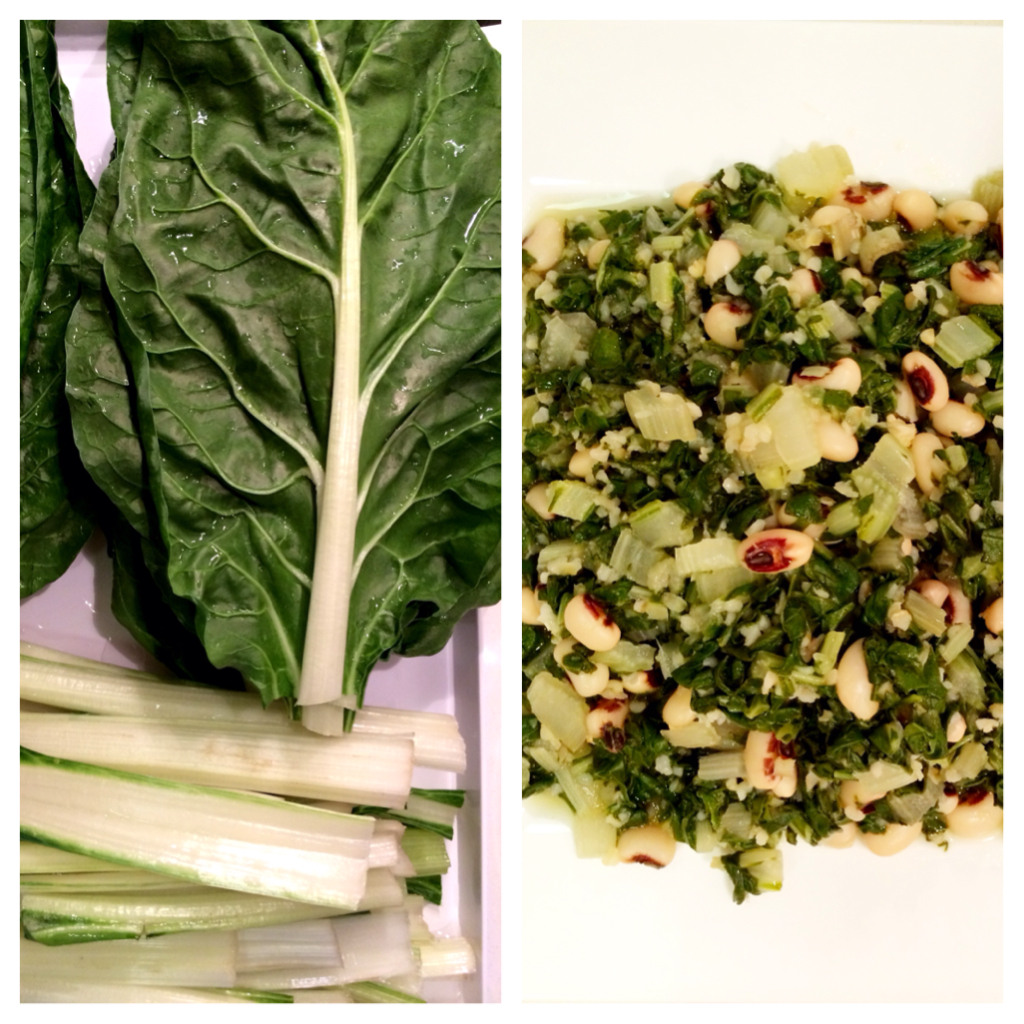
Zesty chard salad / appetizer with blackeye peas

Zesty chard with blackeye peas salad / appetizer

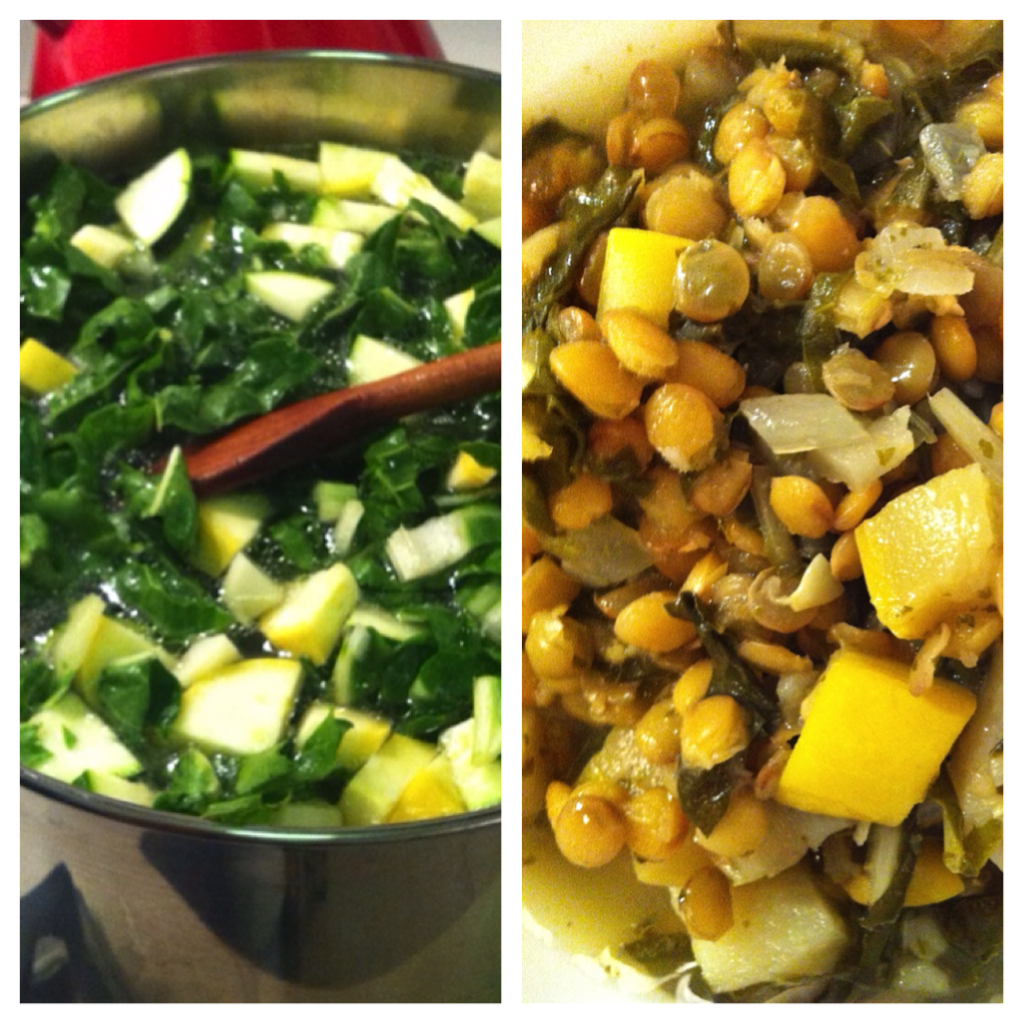
Chard and lentil soup (also includes zucchini, potato and onions)

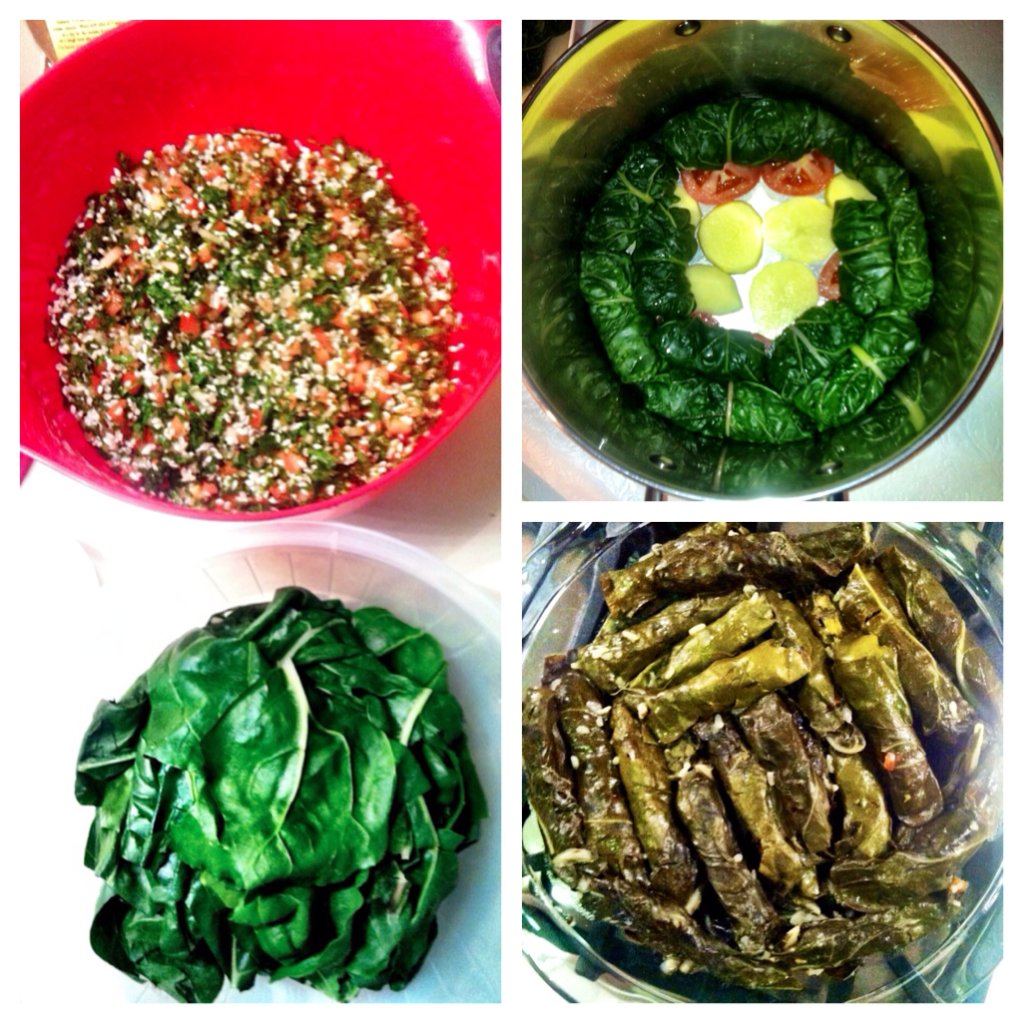
Chard stuffed with a Tabbouleh-like mix

Chard stuffed with a Tabbouleh-like mix

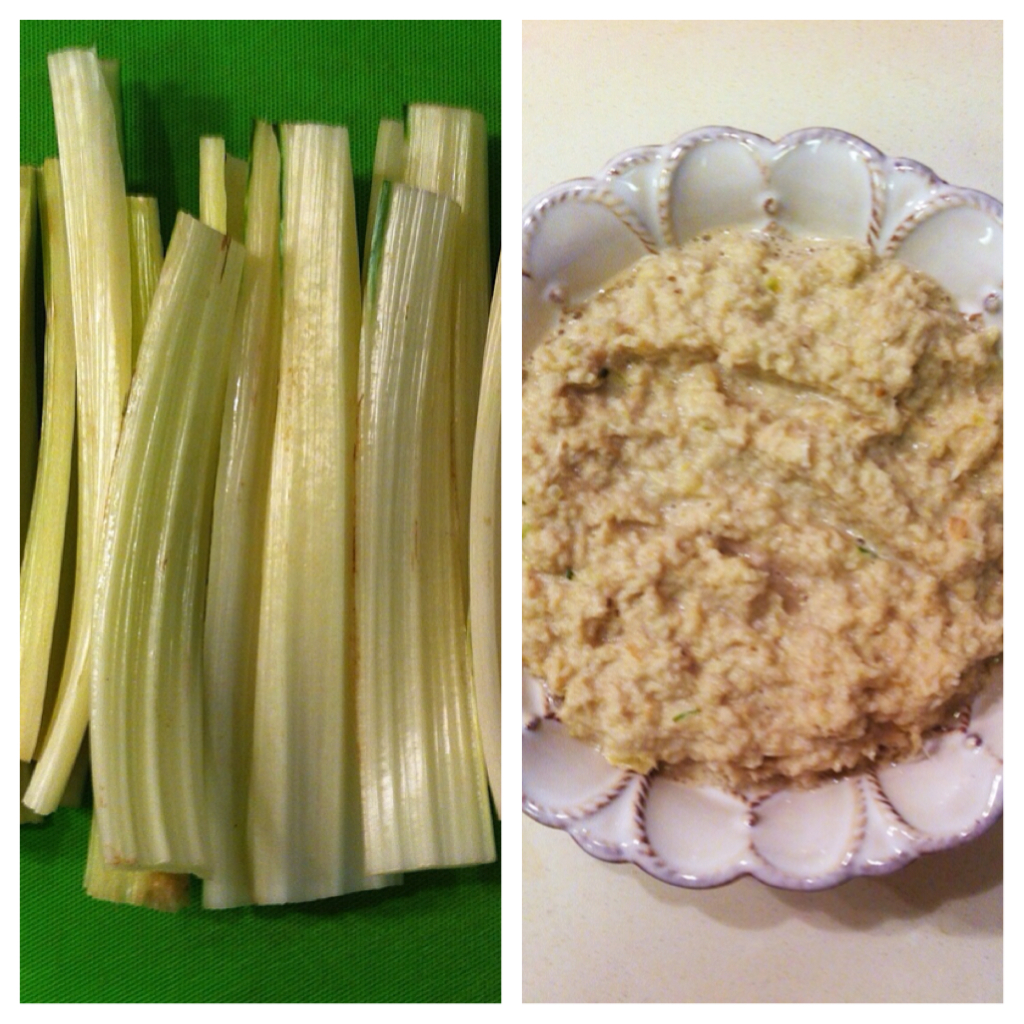
Chard dip (prepared in a similar way to hummus, but since we're replacing chickpeas with chard, it's lighter in calories)

Chard dip (prepared in a similar way to hummus, but since we’re replacing chickpeas with chard stems, it’s lighter in calories)

Bringing Veggies Back!

Edamame

Whether at your doctor, the dietician clinic, in health awareness ads, books and magazines or through Michelle Obama’s inspiring anti-obesity campaign, you’ve probably been lectured one way or another about the importance of “getting your kids to eat their veggies!” Still, many kids have little or no interest in eating vegetables and therefore lack essential nutrients in their diet. Here are my TOP 5 TIPS on making sure you get your child on the right veggie-track:

  1. Start early because your kid’s food preferences are like pottery and become harder to change as they solidify with time.
  2. Be consistent and proactive in making sure that you offer your kid healthy choices and avoiding that your precious little one develops a picky-eater habit.
  3. Make this a family project by setting a good example and making sure that any brothers and/or sisters are setting a good example as well. Kids love emulating their parents and siblings.
  4. Make food time fun by letting your kid count his peas, learn how to say the color of a carrot, the texture of a spongy eggplant (yes a raw eggplant!) and laugh at the bizarre new taste of a lemon!
  5. Give your kid some autonomy with the veggies! Kids love to discover things on their own and can develop an aversion to things when they are forced upon them. So as the choking hazard dissipates, let your kid enjoy some healthy veggie food finger choices: Fava beans, chickpeas, celery, cucumber and red pepper sticks, cherry tomatoes and steamed Brussels sprouts (cut in halves), steamed broccoli, cauliflower and asparagus…

You’ll be surprised how moldable kids are at an early age! In no time, they’ll be looking for the spinach in their plate and snacking on celery!

My 2-year-old daughter loves the sweet-ish nutty taste and tender texture of edamame. Many think of edamame simply as a bean appetizer at their favorite Japanese restaurant but their benefits far surpass this occasional treat. Edamame soy beans are usually sold in frozen packages in most grocery stores and make a great addition to one’s diet either as a snack, an ingredient in stir-fried or sautéed dishes or in a soup. They have the veggie baggage (rich in fiber, vitamins, minerals and antioxidants) boosted with rich protein content making them a meat substitute and also contain a small amount of unsaturated fat (the good type of fat). My daughter usually enjoys them as a snack but when there is no cooked meal in sight, I throw a bunch of steamed edemame in a plate, coupled with some cubes of cheddar cheese and some cherry tomatoes and Voilà! Lunch is ready!

Keep an eye out for allergies as you are introducing new food to your child’s diet. In effect a small percentage of children are allergic to soy. 

Yummy Figs!

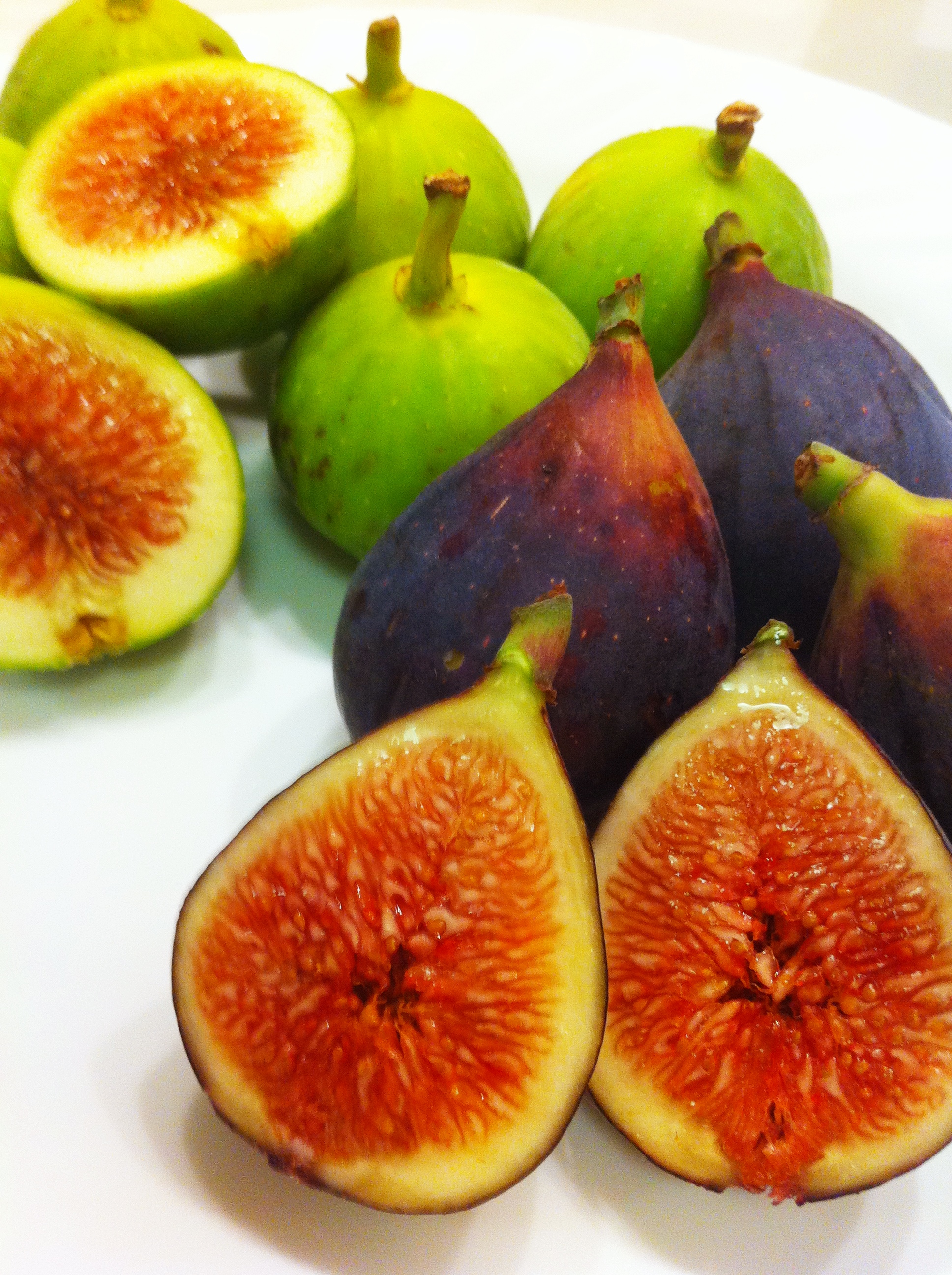
Fresh Green and Mission Figs

Fresh Green and Mission Figs

I have special feelings towards figs. This delicate fruit has a big nostalgia effect on me. Back in my childhood in my small Mediterranean village, I spent a lot of time with my brother, sister and my zillion cousins climbing a fig tree deep down my grandfather’s orchard. We played house on this tree but mostly we ate a lot of fresh green figs! These were pure happy and delicious moments. Besides my childhood nostalgia, there’s nothing like the sweet tingling taste and the beauty of a fresh fig. God is so good at designing fruits! Fig is actually known as “nature’s most nearly perfect fruit” because of its wide-ranging nutritional benefits: super high in fiber, calcium, iron and potassium particularly when it’s dried. Check this delicious in season Tartine garnished with figs that I recently had at Maison Kayser, my favorite UES brunch/lunch spot.

 Tartine Chèvre & Figues: Goat cheese, caramelized onions, fresh Mission figs, balsamic reduction


Tartine Chèvre & Figues: Goat cheese, caramelized onions, fresh Mission figs, balsamic reduction