🇬🇧 London🌱 Greeneries🌱

When Mother Nature (or the City of London) gives you greenery absorb it with all your senses!

It’s lunchtime and you’re out and about on your urban routine with no time to stop and munch on a salad? Drink it!

Try to make some time, even if only 5-10 minutes each day, for a green spot pit stop where you can just look around and admire the beauty of nature’s simplicity in its rich details…

20140704-001551-951315.jpg

Deliciously Spoiled

My mom’s idea of supporting me through the pre and post labor phases has meant for the most part cooking and cooking some more… of course she went way overboard and I’m enjoying every bite of it, each bringing back unique childhood memories and a lot of comfort as it reminds me that I have the support I need to go forward…

Ghada's Food

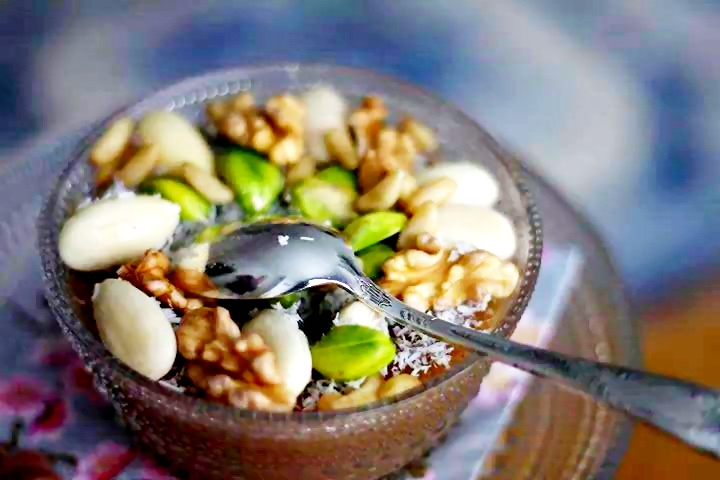
I particularly want to focus on Meghleh, a traditional Middle Eastern pudding served as a treat to family and friends after the birth of a new baby.

meghleh

Meghleh has been flowing in my house for the past couple of weeks and I have consumed industrial amounts of it! Not only is it smooth, delicious, festive and addictive but more importantly for breastfeeding mommies, it can give you a much needed and quick energy boost to cover those extra calories you’ll still need to insure your milk supply while benefiting from its healthy ingredients:

  • Spices: caraway and cinnamon (Grandmas swear that those spices help stimulate the breast milk production)
  • Rice flour
  • Sugar
  • Toppings: shredded coconut, raw walnuts, pine nuts, almonds and pistachios, each boosting your diet with filling protein, fiber, healthy unsaturated fats and important vitamins, minerals and antioxidants.

Crème de la Crème

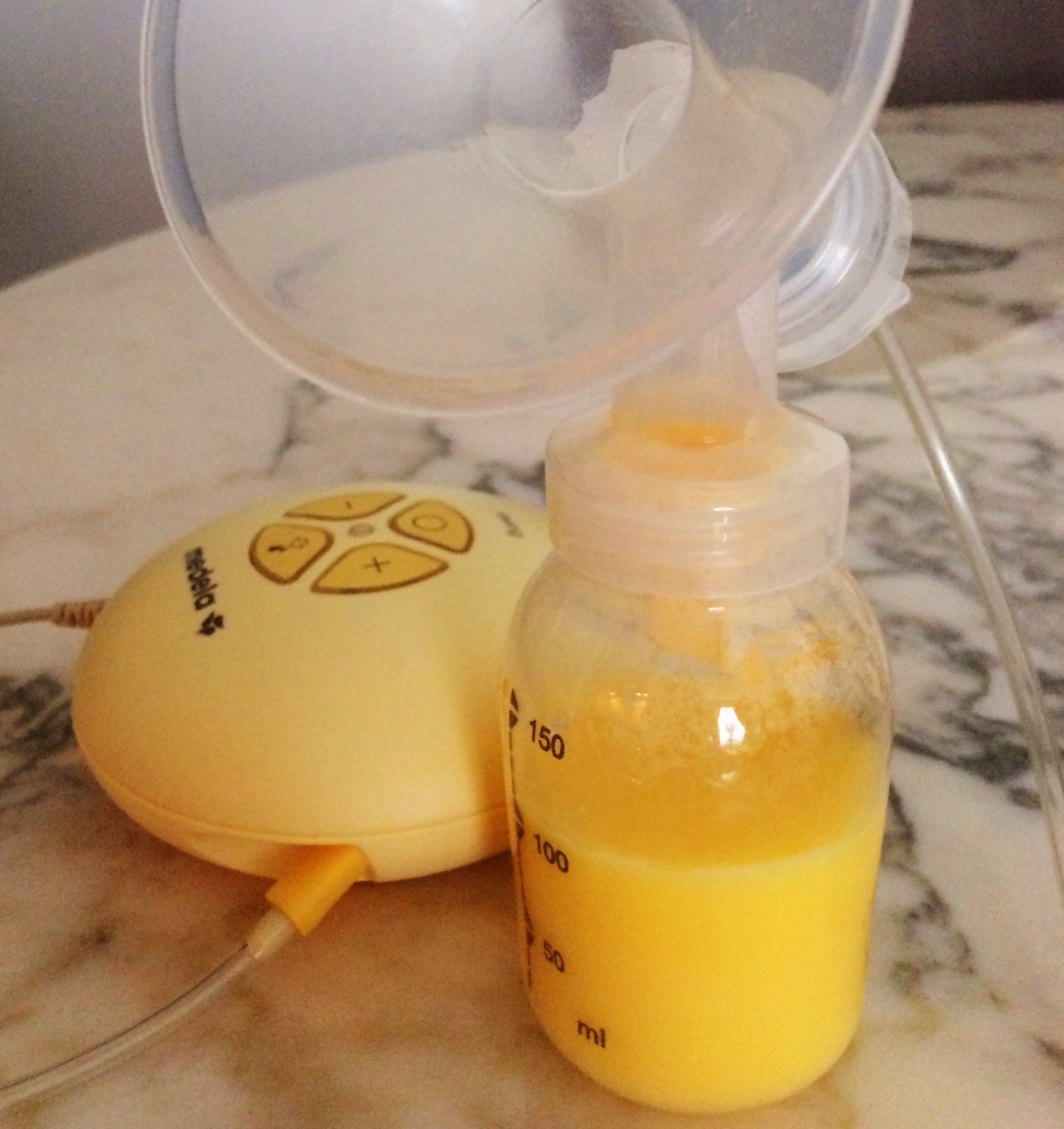
Colostrum

While waiting for the real deal to flow, the first milk a breastfed baby would savor for a couple of days after birth is the colostrum. Colostrum is a thick yellow-orange fluid with creamy texture, concentrated and not very abundant. Highly packed with so many goodies (proteins, vitamins, minerals and antibodies that boost your infant’s immune system), it protects your baby from disease and gives baby everything he/she needs. It’s the best way to start your baby’s nutrition, nothing else comes close. This incredible substance acts as a natural vaccine and has certainly contributed to protecting my tiny little baby from the harsh flu I got shortly after my delivery, even though baby and me are practically glued 24/7! (of course a protective mask for mommy and other sanitary precautions around the house are also imperative to minimize the likelihood of baby catching the virus)

Breastfeeding Etiquette

Method

  • Start breastfeeding right away, even in the delivery room! Nursing in the next hour or so of your baby’s birth is very important to stimulate milk production. You won’t be too sad to learn that you might be asked to do away with the lovely hospital gown for your first breastfeeding, as skin-to-skin contact between mommy and baby is recommended to jump start the natural bond and breastfeeding.
  • Avoid or minimize bottle or pacifier use, as it can get in the way of developing a good breastfeeding routine.
  • Have your baby in your room the first few weeks so you can nurse more often and on demand, this will help improve your baby’s sucking which in turn will build up your milk supply.

Essentials

For Mommy

  • At least 3 comfy and well-fit nursing bras
  • Nursing pads
  • Nursing pillow
  • Lanolin (nipple cream)
  • Breast milk pump
  • Nightgown, pajamas or other clothes that button or snap down from the front
  • Hand sanitizer

For Baby

  • Bibs
  • Burp cloths
  • Sterilized milk bottles for when you need to pump your milk (either buy a sterilizing machine for the bottles or you can just boil them for a couple of minutes in hot water)

Colostrum pump

For Sanity

  • Make sure your washer and dryer are in good condition because they will probably be running non-stop!
  • Wait until the colostrum phase is over to introduce your favorite onesies as the stains it creates are much harder to wash off.
  • Train another person to burp your baby after each feed (so you can take turns) and this way you can get some extra time for rest between feeds.

Last Days of Winter

The last stretch of winter is the toughest. You’re sick and tired of the gloomy weather, beaten by the cold and worn-out by the toll of heavy coats and layers on your shoulders. When these blues hit me, I take shelter in my kitchen where I always end up finding my remedy: Hello food innovation! Here are a couple of cold-weather-worthy recipes to try shortly before kissing wintertime goodbye!

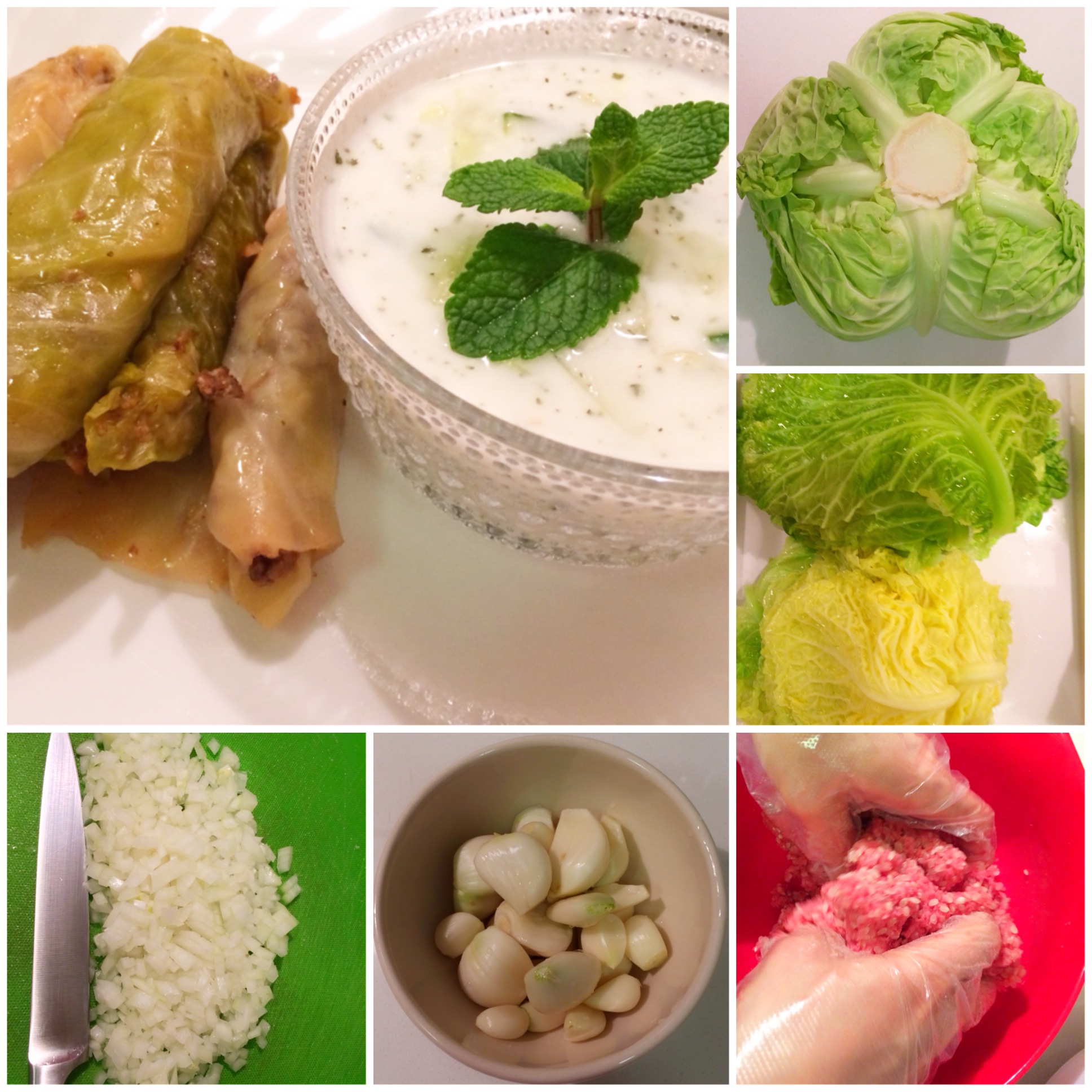
Cabbage Cigars
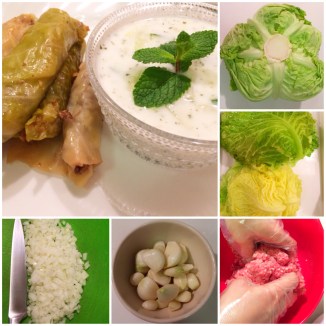
photo 1-19I find that cabbage is usually not given its turn in most people’s diet from both gastronomical and nutritional perspectives. When raw, it’s commonly associated with abdominal conditions (such as bloating and flatulence) and is often kept away from cooking pots, as many find the smell of dissipating sulfur compounds in cooked cabbage unpleasant. Work around its minimal drawbacks and you’ll discern a smooth texture, a sumptuous flavor and a distinguished comfort in this winter veggie, a really great fix for cold days! You’ll also benefit from a great dose of vitamins such as vitamin K, vitamin C and folic acid in as little as 20 calories in a serving (75g).

Here is my favorite approach to savor cabbage:

*For a better digestion: parboil before cooking

*To mask its sulfuric smell: add some lemon juice and/or herbs (such as fresh or dried mint) to the cooking water

Cabbage Cigars is a melting-in-mouth dish! Cabbage leaves are stuffed in minced beef, rice and spices and seasoned with sautéed onion, garlic, mint and lemon juice. Here’s my recipe:

(Makes 6 servings)

1 whole cabbage

Filling:

  • 1 cup of sushi or Egyptian rice
  • ½ lbs. of ground beef
  • 1 tsp. of each: black pepper, allspice, ground cinnamon and salt

Seasoning:

  • 1 onion finely chopped
  • 1 head of garlic peeled (half of the cloves mashed and the other half left to distribute between rolls)
  • 3 Tsp. of crushed (dried or fresh) mint
  • 1 cup of lemon juice
  • 1-2 cup of water (or just enough to cover the cabbage in pot)
  • 2 Tsp. of vegetable oil

Blanch the cabbage leaves in boiling water until they are tender. Cut the leaves in half if necessary and take the thick stems out (save them to line pot). Mix the meat with rice and spices and put aside. Stir-fry onion, garlic and mint in vegetable oil in the bottom of the pot then line the pot with the cabbage stems. Stuff the leaves by placing a tablespoon of the filling mixture in the middle and rolling it like a cigar. Place each stuffed leaf in the pot, one tight layer at a time. Add some garlic cloves here and there. Place a small plate on the cabbage rolls to hold them in place and to avoid the stuffing from coming out. Pour the lemon juice over the rolls and add water to cover the cabbage. Cook for about 1 hour over low heat or until the leaves are very tender and the stuffing is well cooked. Serve warm with plain Greek yogurt or with a minty cucumber yogurt accompaniment. Yum, trop chou!

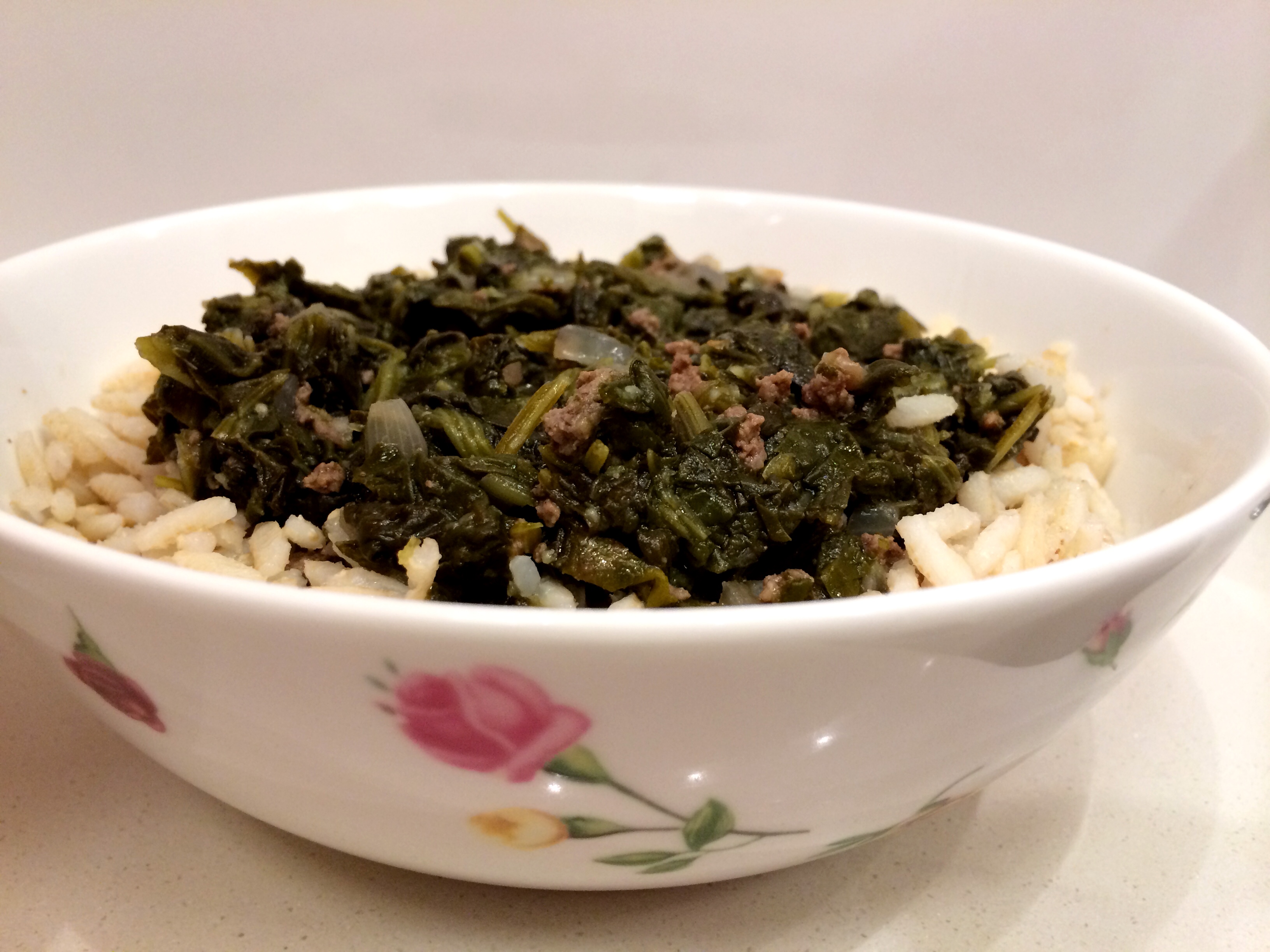
Spinach Stew 
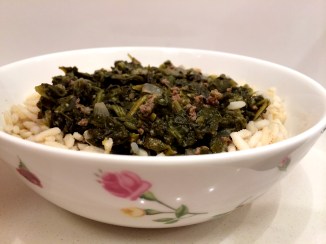
photo 2-16

Spinach is a treasure food for a light and healthy cuisine. Rich in water, super light in calories and unlike other veggies, its nutritional profile is enhanced once it’s cooked. Known for being packed in iron, thanks to Popeye, spinach also provides an exceptional amount of other vitamins and minerals (vitamin A, vitamin B9, vitamin K, magnesium and manganese). Furthermore, some antioxidants in spinach are particularly beneficial for the eyes.

Spinach stew is a zesty wholesome dish, a great consolation on cooler days. Moreover, lemon complements spinach perfectly as it enhances beautifully its flavor and improves iron absorption. Here’s my recipe:

Makes 6 servings

  • 1 kg of  frozen chopped spinach
  • ½ lbs. minced beef
  • 1 onion
  • 3 cloves of garlic
  • ½ cup Lemon juice
  • 1 bouquet of fresh cilantro
  • ½ tsp. of: black pepper, allspice, 7 spice mixture (optional)
  • 1 tsp. of salt
  • 2 Tsp. of vegetable oil
  • 1-2 cups of water

Blend the garlic and cilantro into a paste and stir-fry it in vegetable oil on the side. Stir-fry the onion in main pot with the rest of the vegetable oil. Add the meat and cook it while breaking it into very small pieces. Add the spices and salt. Cover the meat with the spinach and add water. Let it cook for 15-20 minutes. Add the lemon juice, cilantro-garlic paste, and stir all the ingredients together. Cover the pot again and cook for 5 more minutes. Serve warm with whole grain rice.

Produce from Paradise

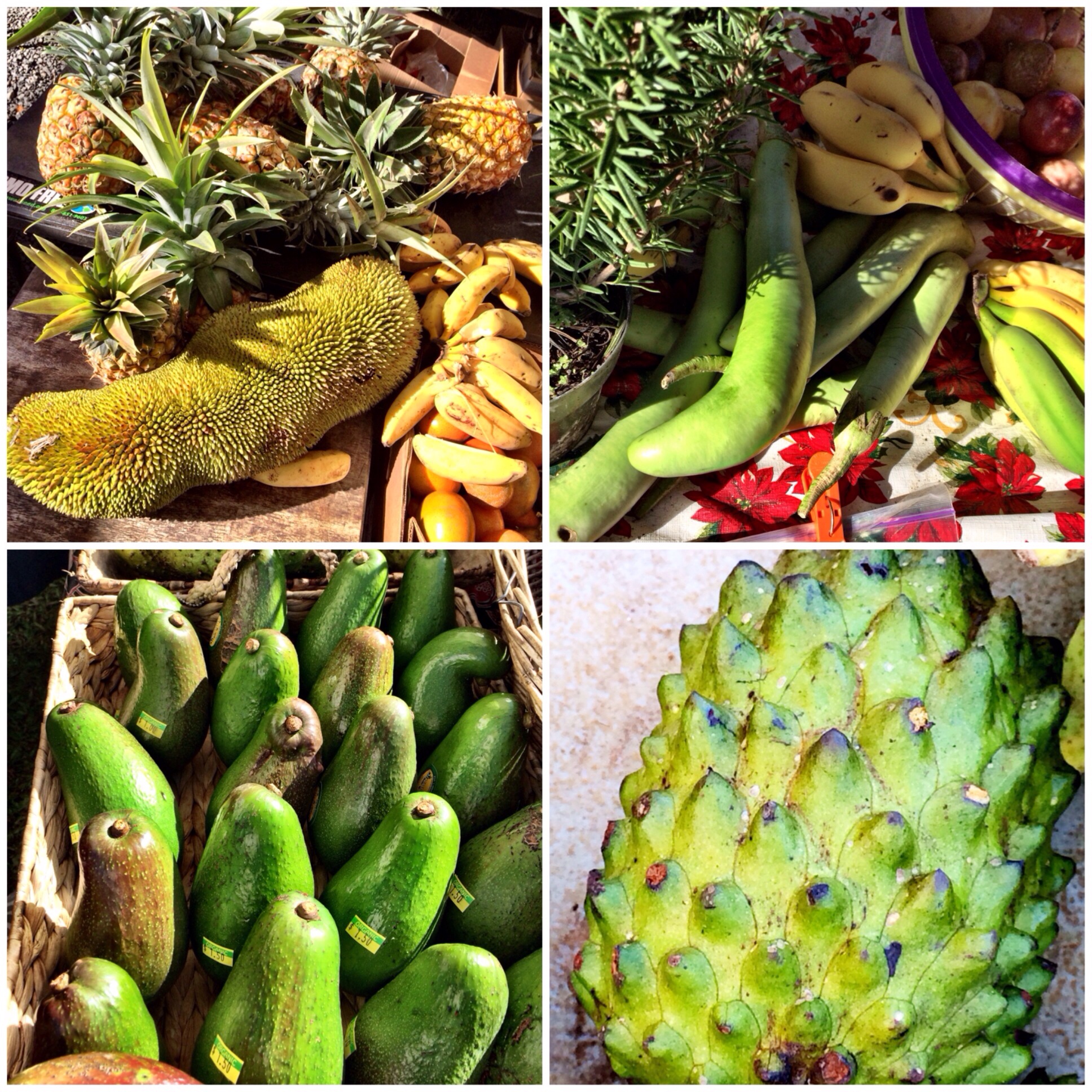
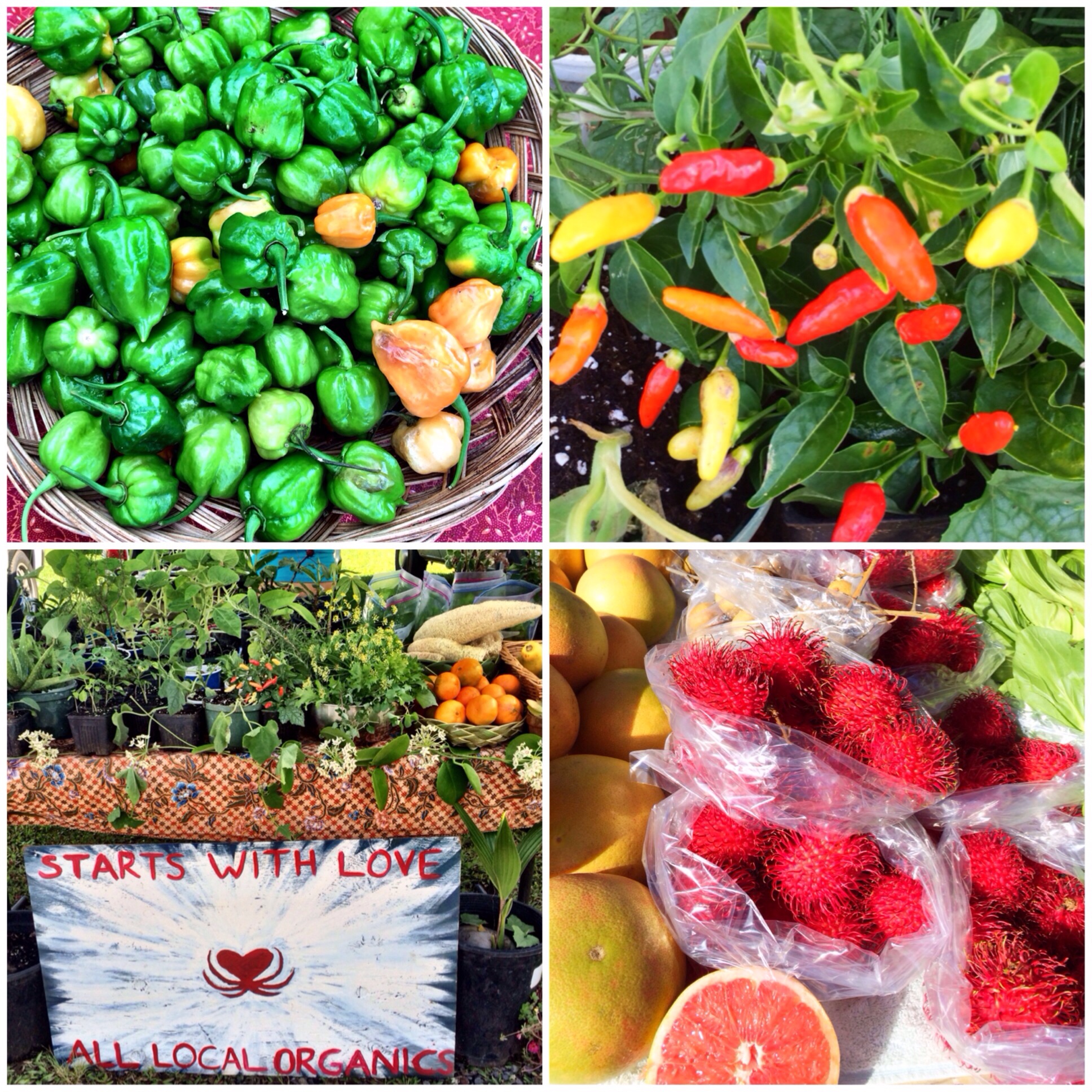
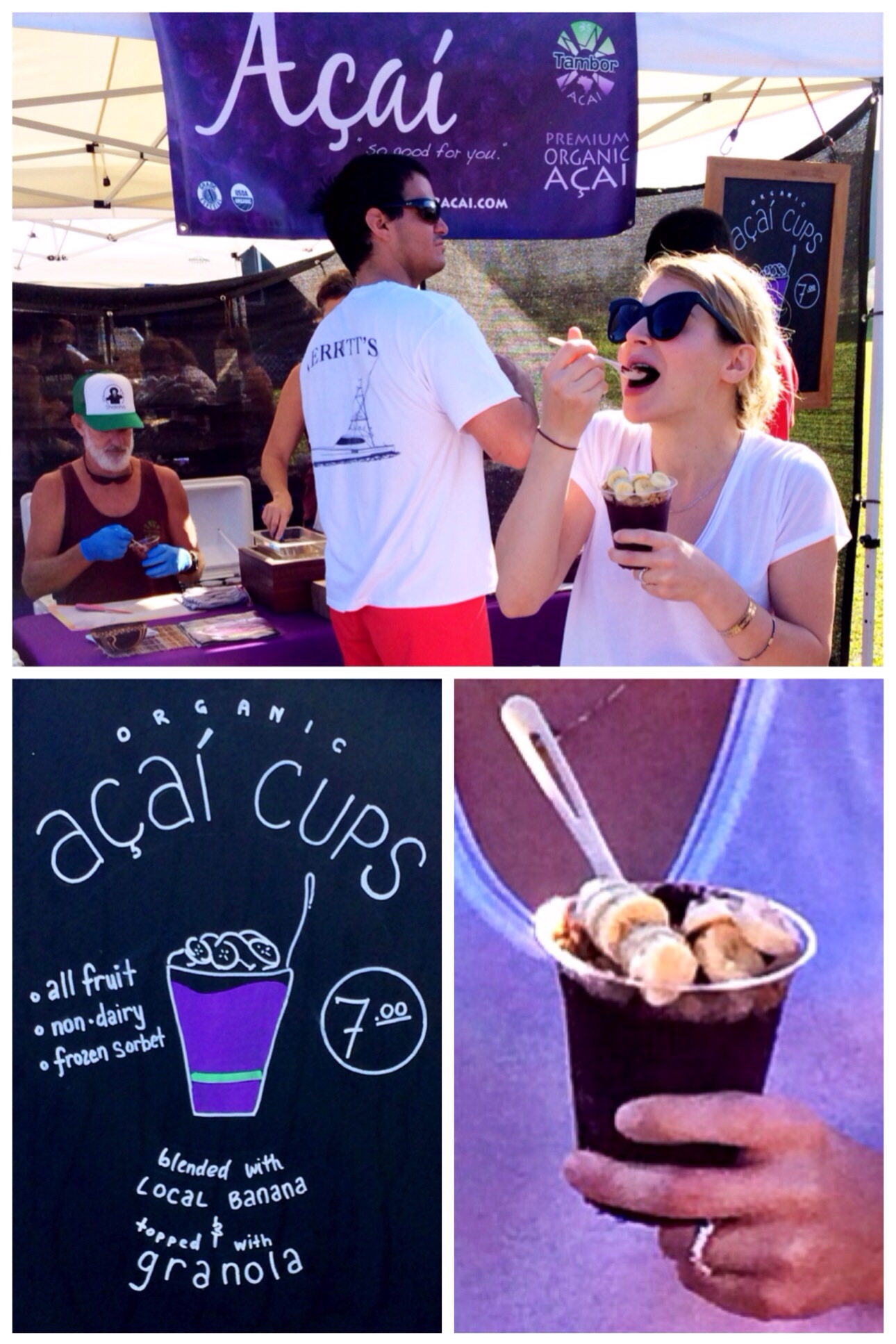
Stopped by a farmers’ market in the small town of Hanalei (Kaua’i island) yesterday and indulged in some exotic organic local produce. The fruits here tasted phenomenal! The main event was my açaí breakfast cup, a blend of nutrients straight from heaven! Açaí is a berry rich in antioxidants and fiber which makes it a heart-healthy and anti-cancer superfood.

20140112-063833.jpg

20140112-063853.jpg

20140112-063925.jpg

20140112-063943.jpg

20140112-063959.jpg

20140112-064025.jpg

20140112-064058.jpg

20140112-064115.jpg

Bean Medley

picstitch-69

Trying to get off the holidays’ rush, lack of structure and overindulgence wave and finding it a bit overwhelming to get back to your normal routine? Well, me too!

I usually like to take it easy the couple of days after the holidays, so I make sure to have a smooth transition into my usual routine to avoid post-holidays blues. At the same time however, I try not to stall too much in getting my family back onto its normal schedule.

My first fix is a healthy, cleansing and simple meal. By simple I mean no trip to the grocery store and only minimal preparation. So I dig into my pantry and I make the best out of it. Here’s a recipe that helps put me back in a supreme state of mind, ready to hit all my to dos for the rest of the week!

 “Do what you can, with what you have, where you are.” Roosevelt

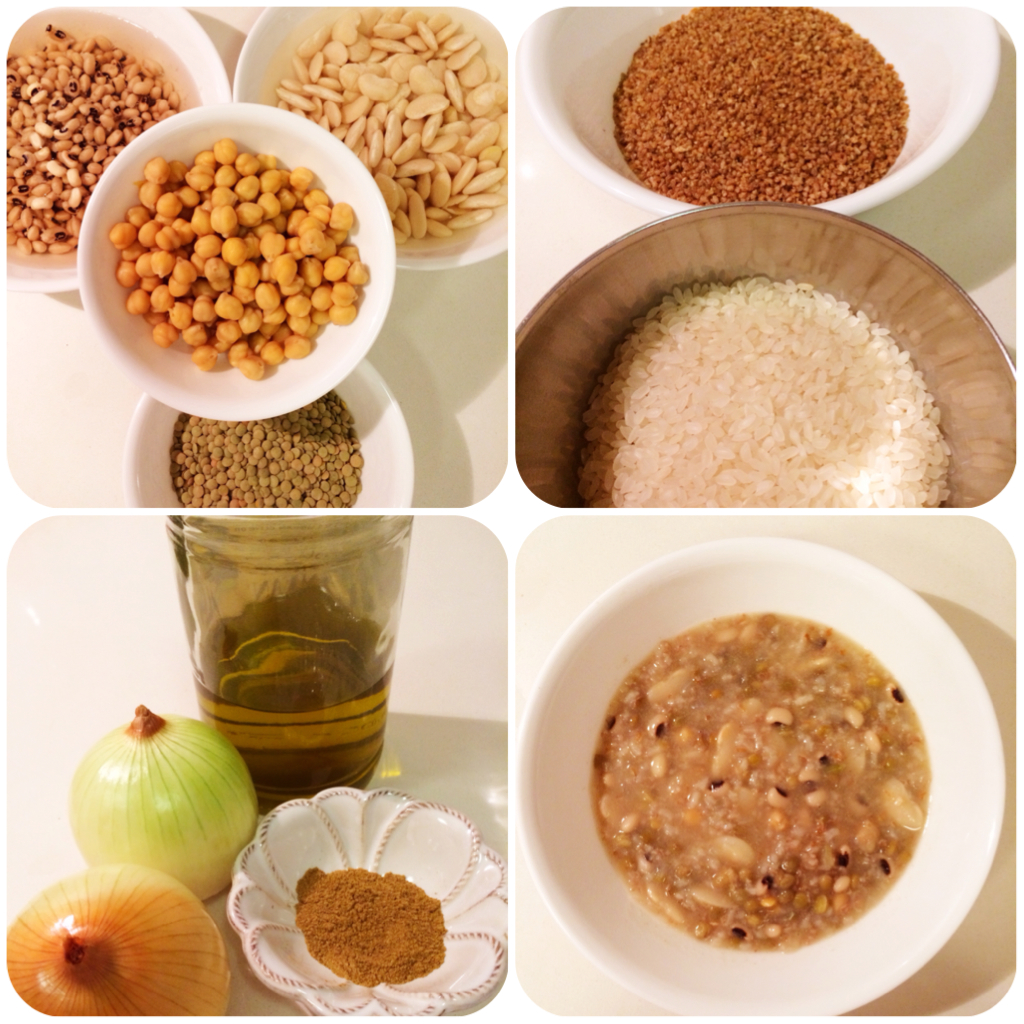
Bean Medley (or Makhlouta) is a soup gathering the essential groups of food, making it a complete meal with nutrient-rich ingredients, mainly a fiber mine! It’s simply a mixture of 4 or 5 types of beans (white beans, kidney beans, lentils, chick peas and black eyed peas), grains (bulgur or wheat and rice), onion, a bit of olive oil or canola oil and spices. You can make your own mixture, depending on what you find in your pantry.

Here’s my recipe for 6 servings

  • ½ cup large white beans
  • ½ cup black eyed peas
  • ½ cup lentils
  • ½ cup chickpeas
  • ½ cup bulgur
  • ½ cup rice
  • 8 cups water
  • 1 finely chopped onion
  • 4 Tbsp lemon juice
  • 1 Tbsp canola oil
  • 2 tsp ground cumin
  • 1 tsp salt
  1. If you’re using dried beans, soak them separately in water overnight (except lentils)
  2. In a pot, heat the canola oil, add the onion and stir fry until browned
  3. Add the rest of the ingredients (except the lemon juice) and let them cook on medium heat for 30-45 minutes or until the beans are tender
  4. Add the lemon juice and let it cook on low heat for 5 minutes
  5. Serve hot (This soup is thick as the grains absorb most of the added water)

Chéri Chicory

Chicory

Chicory

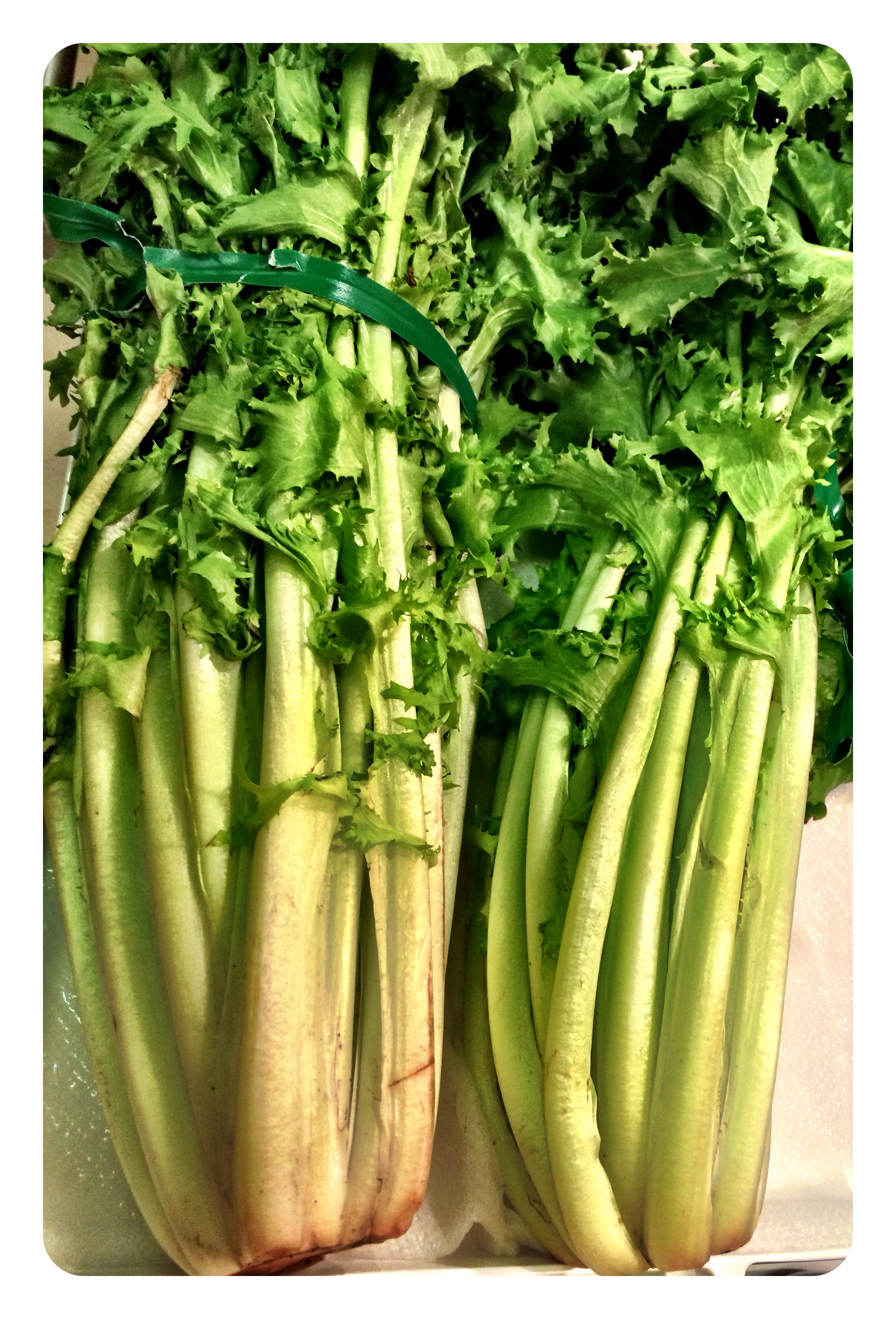
Lately, chicory is on my mind as I crave a good vegetarian winter dish!

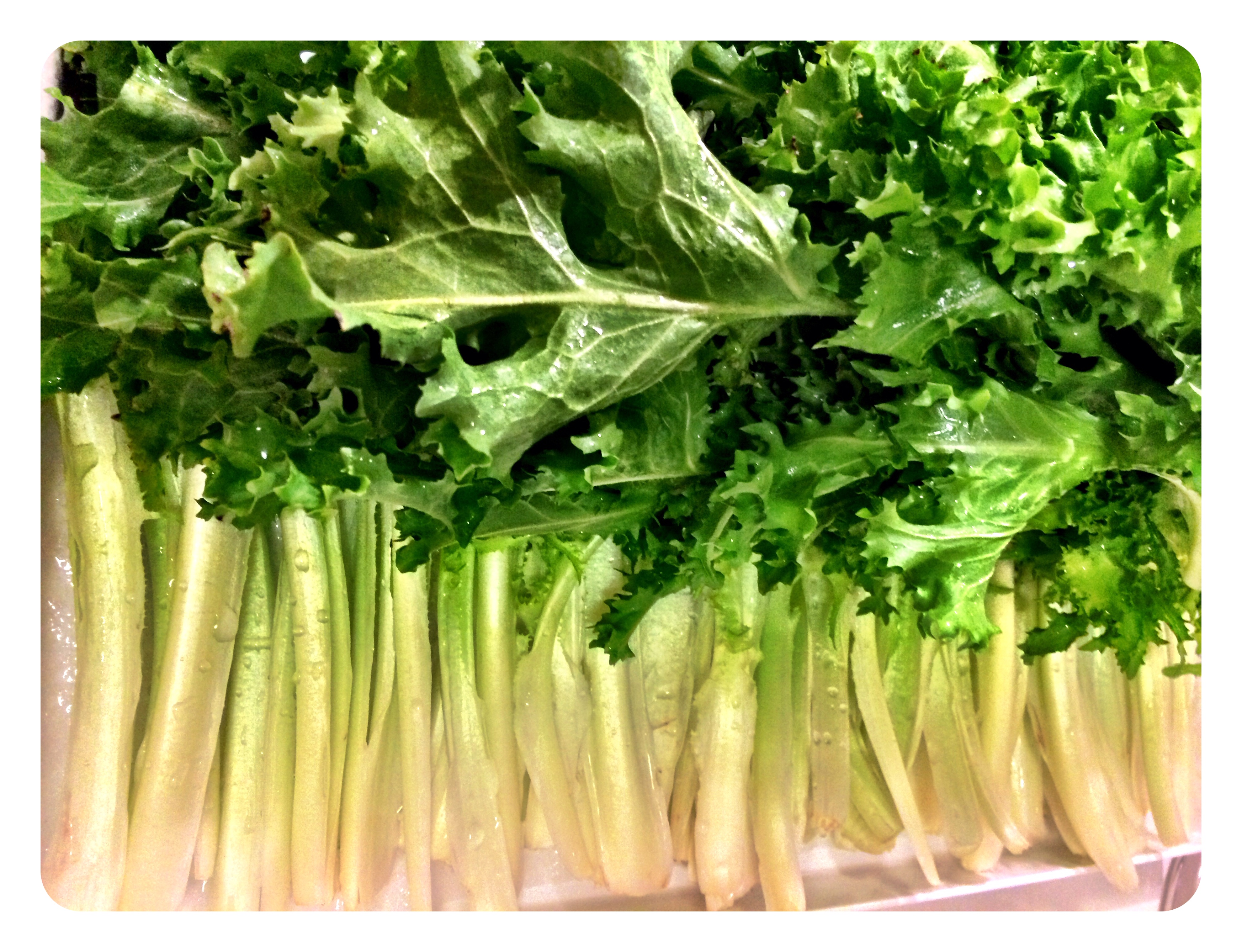
I don’t find chicory very often in stores here, but when I do I take great advantage: I eat it raw as a snack! Now you’re probably imagining a farm pet munching on a grassy meadow, that’s not exactly the case, although I don’t hate the bitterness of its raw leaves, I only snack on the un-leafy stem part of chicory, which is less bitter, crunchy and has a rich taste that makes celery so dull in comparison (you’re probably still imagining a munching pet; my husband often tells me that I should have been born as a bunny, I take that).

photo 2

Chicory – Leaves and stems separated
While leaves can be used for cooking or in salads, stems are a great, crunchy and refreshing snack.

I also prepare chicory as a salad with a light, homemade vinaigrette (olive oil, lemon juice and herbs). However, the ultimate way to really savor the best of chicory is to cook it for a short time in boiling water then sauté it with caramelized onions and lemon juice… so yummy with pita bread!

photo 1

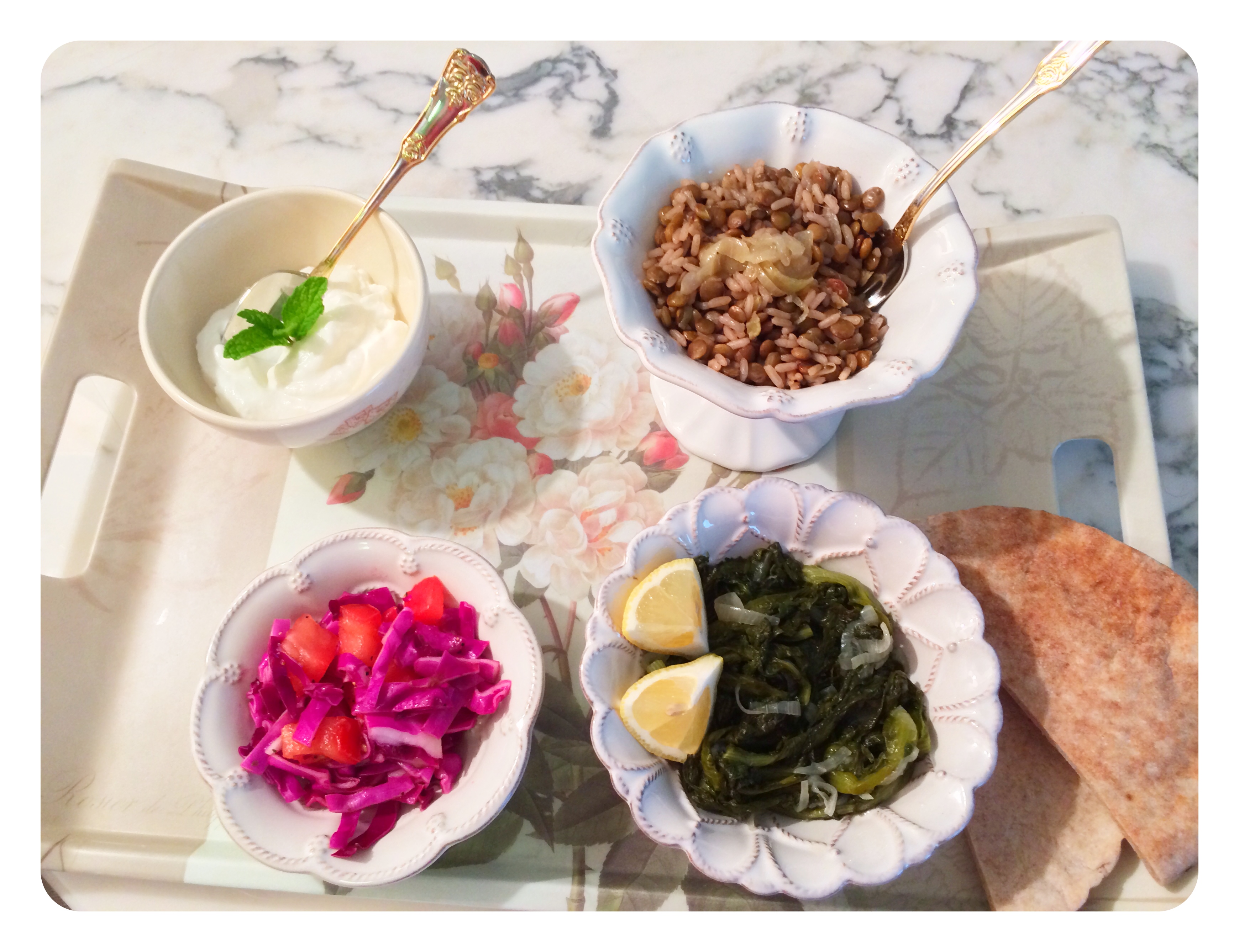
A popular countryside vegetarian meal in the Middle East
An assortment of sautéed chicory or dandelion with pita bread, cabbage-and-tomato salad, lentil-and-rice pilaf and greek yogurt

Chicory is a preferred ingredient in Mediterranean cuisine. Wild and cultivated varieties are both popular. They are mainly used in salads nevertheless they can be a perfect replacement to any leafy vegetable in many cooked dishes. From Provence to the Middle East recipes abound and vary but chicory’s draw is the same: an appetizing taste, a medicinal character (detoxing, diuretic and tonic) and a great nutritional content. Chicory is an excellent source of vitamins and minerals mainly folic acid, vitamin A, potassium and vitamin C.

Coffee, Teas and Tisanes

Green tea

Green tea

You’re pregnant, trying to get pregnant or you’re breastfeeding and wondering if it’s still safe to rise and shine with your usual morning coffee, or if you can still delight in your afternoon tea or savor your comforting bedtime herbal tea?

Here are some facts:

  • Coffee and non-herbal tea during childbearing (conception, pregnancy and breastfeeding):
Cappuccino

Cappuccino

Coffee and non–herbal teas (like black and green tea) contain high amounts of caffeine. There’s still not enough data about the safety of caffeine for an embryo, a fetus and a newborn. Caffeine ingested by a pregnant woman gets to her bloodstream, can reach the placenta and therefore crosses to the fetus’ blood. It can also get to the breast milk. It’s best to avoid caffeine during those periods or to minimize your intake to no more than 300 mg/day, which is about 2 servings of coffee, tea or other caffeine containing drinks like soda (cola), energy drinks and maté. Decaffeinated versions could be an alternative to regular coffee and teas since they contain a low amount of caffeine.

  • Herbal teas during childbearing:
Herbal tea

Rosehip tea

Herbal tea or tisane is a tea that generally doesn’t contain caffeine and is made mostly from an herb or could be a blend of different types of herbs, spices and other plants.

Although natural generally rhymes with something good and that’s why a lot of brands try to use that term in marketing their herbal products, it is not a synonym of safe. Natural herbs can sometimes have a drug-like effect on our body. There are so many types of herbs on the market, few of them are scientifically studied and even less are tested for their hazardous effects during pregnancy and breastfeeding. Also herbs sold in pharmacies and health stores are still not regulated by health agencies and so there’s no guarantee of their safety, effectiveness and purity. Hence, it’s best to be cautious when opting for a cup of tisane. Here are some options of herbal teas that are considered safer than others but should also be consumed in moderation (2 cups/day): ginger, bitter orange, citrus peel, echinacea, peppermint, red raspberry leaf, rosemary and rosehips.

In moderation and with a bit of care, keep on relishing your little pleasures!

Me, My Daughter and Her Bugaboo = My Training Routine!

Central Park strolling

The Academy of Nutrition and Dietetics recommends regular exercise during pregnancy with a minimum of 30 min of moderate activity on most days of the week (except if you have a particular complication or a specific medical condition where your doctor doesn’t recommend exercising). Exercise has substantial benefits during pregnancy including an improved energy level, better sleep and less: aches, constipation, bloating, swelling and stress. It can also contribute to an easier labor and delivery and of course make it easier for mommy to get back in shape after the big arrival.

In my first pregnancy, having just arrived to New York, I was so excited about enrolling in a prenatal gym class. I was looking for a well-designed workout routine that would keep me active enough without compromising my health or the health of my developing baby. Of course I was also looking to meet other preggos and start making mama friends in the new city. Too ambitious, I signed up for prenatal aerobics and yoga classes 3 days/week, 1 hour each. A couple of weeks later, I found myself struggling to make all the classes due to the unpredictability of my morning sickness and energy levels. While the classes themselves will help with improving the energy levels, that point should not be overstated and pregnancy comes with an inescapable yoyo of energy and hormones. I mean some days I would wake up full of energy and would spend 8 hours focused on rolling stuffed grape leaves (got ambitious with new cooking conquests) and other days I would literally struggle just to get out of bed! Keeping up with an elaborate workout schedule I figured was not for me, frankly not sure how other preggos do it and certainly the level of physical activity you did before pregnancy will play a big role in determining that.

This time around I decided to design my own exercise routine! I chose to walk daily, at least for an hour. My main tool is my little daughter’s stroller. I call it my “Stro-mill”! So far, this has been the most consistent and convenient activity, and it’s so much fun! While getting my daily errands done, shuttling my little one to her classes or taking her to the playground in the park, doing my routine window shopping duties and just zigzagging the city while getting some fresh air, I get so much stro-mill time! If it happens that the weather isn’t perfect for a stroll, running around a 2 year old all day while getting household duties done is certainly compensating and providing me with some strength training because of the carrying/bathing/playing/dancing with my little one! Now if you are a stroller mama like me, you should take advantage of that and incorporate this magic tool in your exercise plan! Otherwise here are some other ideas to keep active safely while you’re expecting:

  • Walk to work if possible or park your car at least 20 min walk away from your destination.
  • Ditch the elevator, instead opt for the steps
  • Walk your dog daily
  • Cycle on a stationary bike
  • Take a swim class
  • Plan weekend exercise time with your partner
  • It didn’t work for me but it might be just the right thing for you, so worth a try: Prenatal aerobics, yoga, Pilates or any other classes designed for pregnant women (just make sure you get some flexibility in the gym membership you select so you can work around your energy/hormone yoyos)

Don’t forget to keep well hydrated and avoid overheating! Enjoy your workout or Stro-mill!

Sugar Substitutes and Pregnancy

Sweeteners

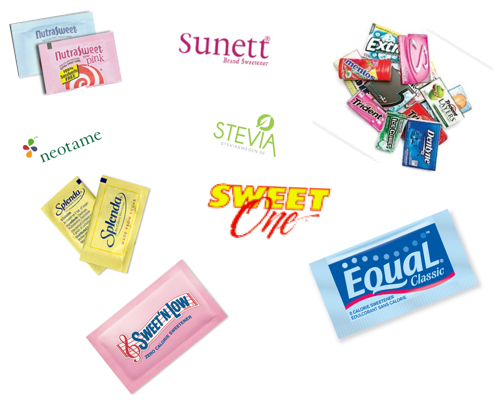
A lot of controversy surrounds the safety of artificial sweeteners. Most health professionals consider the majority of such sweeteners relatively safe during pregnancy. Some professionals however recommend avoiding them altogether during that period and associate their use to birth defects. Scientific research regarding their general safety is still unfortunately neither comprehensive nor absolute. The ideal approach a pregnant woman can take during her 9 months of gestation is to be prudent and limit her use of such chemical additives. Pregnancy is not the right time to cut on calories anyways so it might be just fine to replace the artificial sweeteners with sugar or honey when you inevitably need that sweet taste (except if you are dealing with carbohydrate intolerance such as gestational diabetes, in which case you need to consult your doctor or your dietician to discuss regulating your sugar consumption). Moreover, a lot of processed foods that contain sugar substitutes are not necessarily calorie-free nor (like in the case of diet soft drinks) do they provide you and your fetus with essential nutrients you both need.

Whatever position you decide to take in relation to artificial sweeteners, you should absolutely avoid Saccharin during pregnancy because it’s proven to be capable of crossing the placenta and getting to your fetus’ developing tissues. Additionally, you should note that the US banned the use of Cyclamate based on some studies that have shown a link to bladder cancer.

Other sugar substitutes like sugar alcohols (such as Maltitol and Xylitol found in sugar-free chewing gums and some other processed foods) are not a big concern when it comes to safety but they do cause digestive problems if you go overboard or in case of a regular intake. Since you are already vulnerable to such discomforts by virtue of being pregnant, you probably don’t want to add to them!