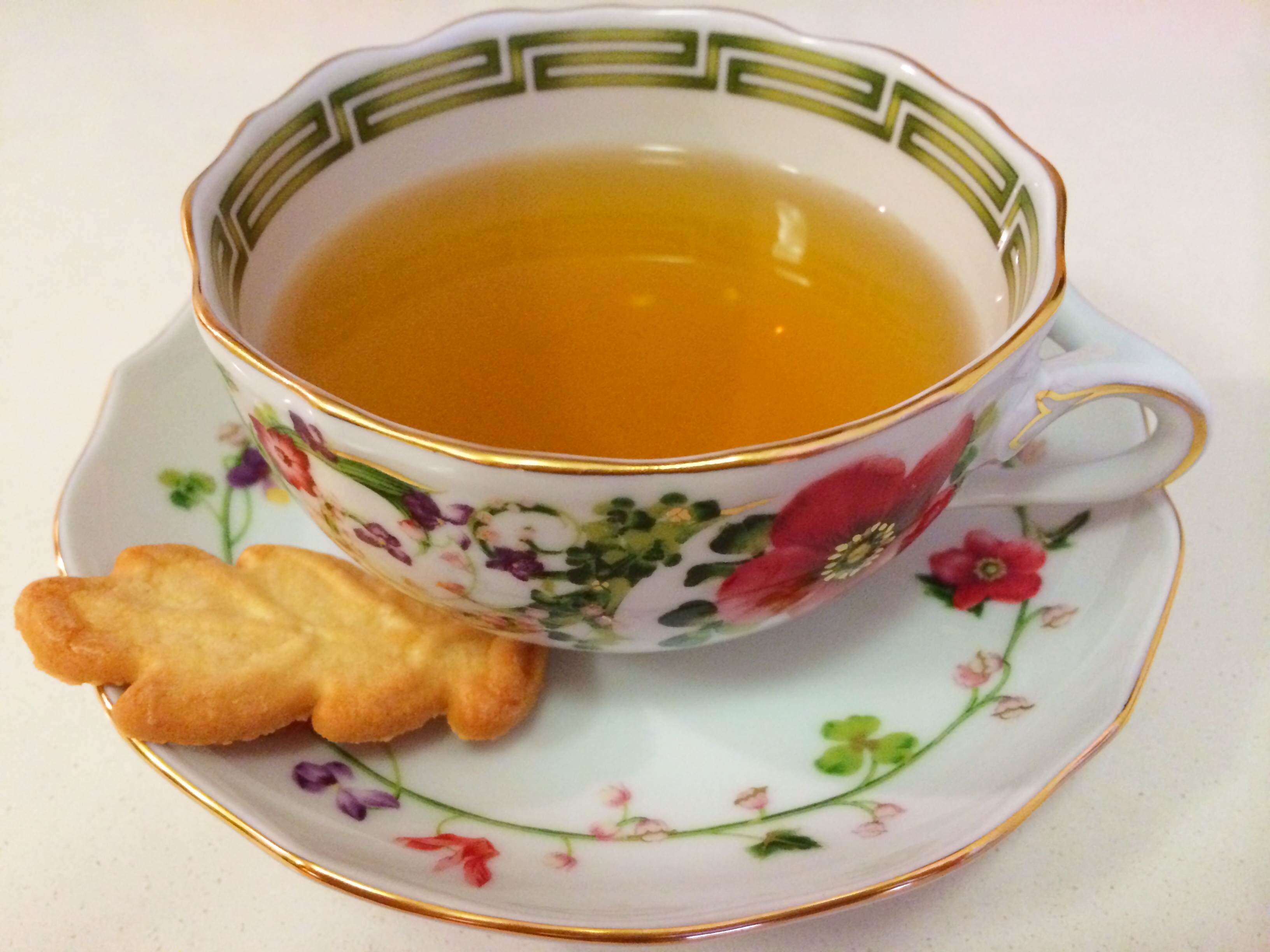
Coffee, Teas and Tisanes

Green tea

Green tea

You’re pregnant, trying to get pregnant or you’re breastfeeding and wondering if it’s still safe to rise and shine with your usual morning coffee, or if you can still delight in your afternoon tea or savor your comforting bedtime herbal tea?

Here are some facts:

  • Coffee and non-herbal tea during childbearing (conception, pregnancy and breastfeeding):

Cappuccino

Cappuccino

Coffee and non–herbal teas (like black and green tea) contain high amounts of caffeine. There’s still not enough data about the safety of caffeine for an embryo, a fetus and a newborn. Caffeine ingested by a pregnant woman gets to her bloodstream, can reach the placenta and therefore crosses to the fetus’ blood. It can also get to the breast milk. It’s best to avoid caffeine during those periods or to minimize your intake to no more than 300 mg/day, which is about 2 servings of coffee, tea or other caffeine containing drinks like soda (cola), energy drinks and maté. Decaffeinated versions could be an alternative to regular coffee and teas since they contain a low amount of caffeine.

  • Herbal teas during childbearing:
Herbal tea

Rosehip tea

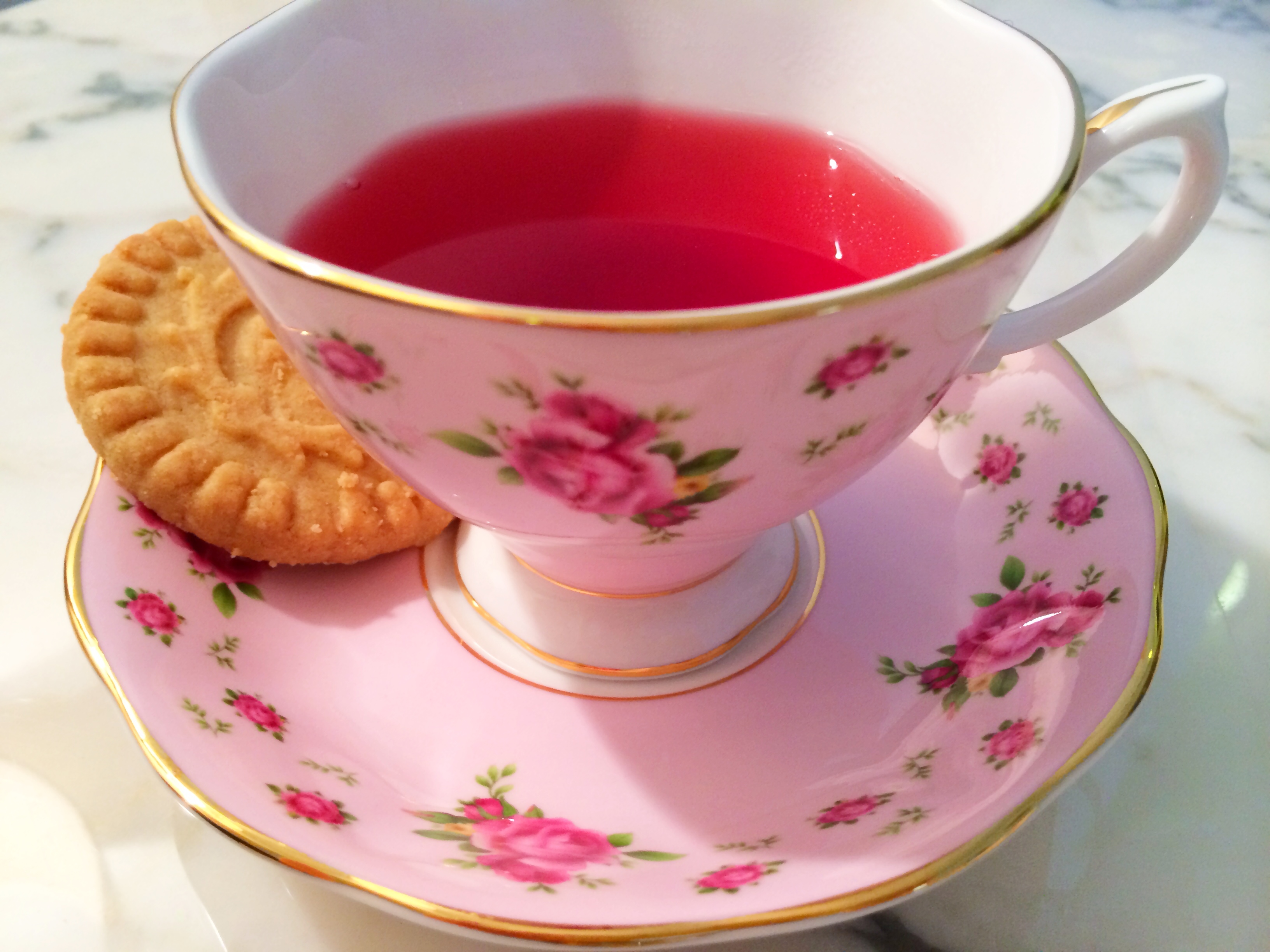
Herbal tea or tisane is a tea that generally doesn’t contain caffeine and is made mostly from an herb or could be a blend of different types of herbs, spices and other plants.

Although natural generally rhymes with something good and that’s why a lot of brands try to use that term in marketing their herbal products, it is not a synonym of safe. Natural herbs can sometimes have a drug-like effect on our body. There are so many types of herbs on the market, few of them are scientifically studied and even less are tested for their hazardous effects during pregnancy and breastfeeding. Also herbs sold in pharmacies and health stores are still not regulated by health agencies and so there’s no guarantee of their safety, effectiveness and purity. Hence, it’s best to be cautious when opting for a cup of tisane. Here are some options of herbal teas that are considered safer than others but should also be consumed in moderation (2 cups/day): ginger, bitter orange, citrus peel, echinacea, peppermint, red raspberry leaf, rosemary and rosehips.

In moderation and with a bit of care, keep on relishing your little pleasures!

Crazy Cravings!

cotton candyPregnancy hormones are bringing out the worst in me! Euhhh, let’s just stick to food here! While I thought junk food is something I had by now fully defeated and my body has fully detoxified itself from all the residues of my juvenile consumption, much to my surprise I discover that my unrefined kidlike sweet tooth is making a comeback right at the most sensitive time when I should be feeding myself and my infant some real food! I can’t believe that the other day I was walking down the street with a bag of sour jelly strings while strolling my daughter, and discretely munching on these rainbow colored gelatins hoping that no other passing mama sees me and gives me the look! I hoped it would stop there, but it didn’t! A couple of days later, while I was running after my daughter in the park, I saw a cotton candy vendor passing and again my hormones sprung into a “ding ding” musical! The worst part this time is that I couldn’t hide that from my daughter, whose eyes bulged out at the sight of the bright pink candy!

While I found that repressing my cravings is not the solution but is more often counter effective, I decided to accomodate my body’s wishes. So when a bad craving strikes, if a healthier option wouldn’t satiate, I decided to go ahead and enjoy the food I craved but in a small amount. For example, according to my rule, one bite of that cotton candy would have been more than satisfactory. Now practice and scheme can differ a bit but it’s important to have a plan!

Here are some healthier snacks when you feel like something

  • Crunchy: rice cakes; toasted whole-wheat pita bread; unsalted nuts or sunflower seeds; low-fat popcorn; whole-grain crackers; unsalted whole-grain pretzels; trail mix and raw crunchy veggies like celery.
  • Creamy: low-fat ice cream; low-fat vanilla coffee; low-fat flavored yogurt; and yogurt and fruit smoothie
  • Chocolaty: dark chocolate bite; dark chocolate-dipped strawberries, banana or dried fruits; low-fat versions of: chocolate pudding, frozen fudge bar, hot chocolate milk and banana frappe
  • Sweet: fruit jam with no added sugar; honey; frozen pops with 100% juice; sorbet; dried fruits or fruits like grapes; and melon

Don’t forget to keep the portion small!

Daddy’s Hand

12 weeksHello #2! Even though we saw only one of you this morning, your big sister is still insisting there are two! Well, two screens at the sonogram test, with two pictures of you didn’t help either! Sorry for the occasional kicks, again it’s your sister, but it’s actually me who bugs her with cotton tips!  Thinking of you and singing Daddy’s Hands

Me, My Daughter and Her Bugaboo = My Training Routine!

Central Park strolling

The Academy of Nutrition and Dietetics recommends regular exercise during pregnancy with a minimum of 30 min of moderate activity on most days of the week (except if you have a particular complication or a specific medical condition where your doctor doesn’t recommend exercising). Exercise has substantial benefits during pregnancy including an improved energy level, better sleep and less: aches, constipation, bloating, swelling and stress. It can also contribute to an easier labor and delivery and of course make it easier for mommy to get back in shape after the big arrival.

In my first pregnancy, having just arrived to New York, I was so excited about enrolling in a prenatal gym class. I was looking for a well-designed workout routine that would keep me active enough without compromising my health or the health of my developing baby. Of course I was also looking to meet other preggos and start making mama friends in the new city. Too ambitious, I signed up for prenatal aerobics and yoga classes 3 days/week, 1 hour each. A couple of weeks later, I found myself struggling to make all the classes due to the unpredictability of my morning sickness and energy levels. While the classes themselves will help with improving the energy levels, that point should not be overstated and pregnancy comes with an inescapable yoyo of energy and hormones. I mean some days I would wake up full of energy and would spend 8 hours focused on rolling stuffed grape leaves (got ambitious with new cooking conquests) and other days I would literally struggle just to get out of bed! Keeping up with an elaborate workout schedule I figured was not for me, frankly not sure how other preggos do it and certainly the level of physical activity you did before pregnancy will play a big role in determining that.

This time around I decided to design my own exercise routine! I chose to walk daily, at least for an hour. My main tool is my little daughter’s stroller. I call it my “Stro-mill”! So far, this has been the most consistent and convenient activity, and it’s so much fun! While getting my daily errands done, shuttling my little one to her classes or taking her to the playground in the park, doing my routine window shopping duties and just zigzagging the city while getting some fresh air, I get so much stro-mill time! If it happens that the weather isn’t perfect for a stroll, running around a 2 year old all day while getting household duties done is certainly compensating and providing me with some strength training because of the carrying/bathing/playing/dancing with my little one! Now if you are a stroller mama like me, you should take advantage of that and incorporate this magic tool in your exercise plan! Otherwise here are some other ideas to keep active safely while you’re expecting:

  • Walk to work if possible or park your car at least 20 min walk away from your destination.
  • Ditch the elevator, instead opt for the steps
  • Walk your dog daily
  • Cycle on a stationary bike
  • Take a swim class
  • Plan weekend exercise time with your partner
  • It didn’t work for me but it might be just the right thing for you, so worth a try: Prenatal aerobics, yoga, Pilates or any other classes designed for pregnant women (just make sure you get some flexibility in the gym membership you select so you can work around your energy/hormone yoyos)

Don’t forget to keep well hydrated and avoid overheating! Enjoy your workout or Stro-mill!

Sugar Substitutes and Pregnancy

Sweeteners

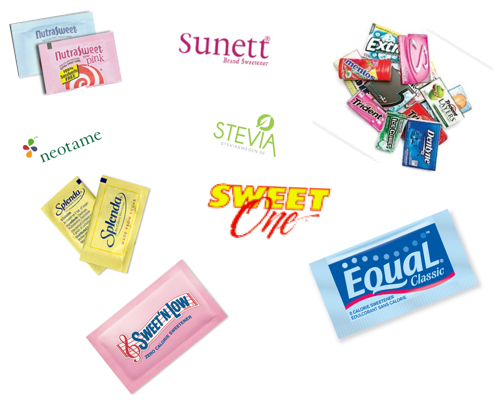
A lot of controversy surrounds the safety of artificial sweeteners. Most health professionals consider the majority of such sweeteners relatively safe during pregnancy. Some professionals however recommend avoiding them altogether during that period and associate their use to birth defects. Scientific research regarding their general safety is still unfortunately neither comprehensive nor absolute. The ideal approach a pregnant woman can take during her 9 months of gestation is to be prudent and limit her use of such chemical additives. Pregnancy is not the right time to cut on calories anyways so it might be just fine to replace the artificial sweeteners with sugar or honey when you inevitably need that sweet taste (except if you are dealing with carbohydrate intolerance such as gestational diabetes, in which case you need to consult your doctor or your dietician to discuss regulating your sugar consumption). Moreover, a lot of processed foods that contain sugar substitutes are not necessarily calorie-free nor (like in the case of diet soft drinks) do they provide you and your fetus with essential nutrients you both need.

Whatever position you decide to take in relation to artificial sweeteners, you should absolutely avoid Saccharin during pregnancy because it’s proven to be capable of crossing the placenta and getting to your fetus’ developing tissues. Additionally, you should note that the US banned the use of Cyclamate based on some studies that have shown a link to bladder cancer.

Other sugar substitutes like sugar alcohols (such as Maltitol and Xylitol found in sugar-free chewing gums and some other processed foods) are not a big concern when it comes to safety but they do cause digestive problems if you go overboard or in case of a regular intake. Since you are already vulnerable to such discomforts by virtue of being pregnant, you probably don’t want to add to them!

Lemon and Salt Craving

lemon

The vendor down the street must think I opened a lemonade business or I’m doing some crazy daily lemonade detox! I usually love sour food such as citrus fruits, pickles, sour vinegars and molasses and sour candies, but I never thought I could peel and eat 2 to 3 fresh whole lemons all at once without a single grimace (I’m sure you’re frowning just at reading this) daily! A week ago, I started this lemon snack crave. So randomly throughout the day I bite and munch into pieces of lemon generously sprinkled with salt and I strangely enjoy the experience! It’s an elixir to my “morning” sickness that strangely never occurs in the morning by the way! Instead, it only kicks off towards the end of the day.

If you’re pregnant and you’re having a lemon & salt craving, here are some facts.

Pros:

  • Lemon smell helps ease pregnancy nausea.
  • The juice of a lemon alleviates dry mouth and helps prevent dehydration when water is harder to gulp.
  • This snack is zero in fat and very low glycemic while providing many important nutrients. Lemon is an excellent source of vitamin C, is rich in fiber and a good source of other vitamins and minerals like B-complex vitamins and Calcium.
  • I’m usually an anti-salt foodie and campaigner because sodium can rise blood pressure and lead to serious heart diseases. However,  in general during the early months of pregnancy, the circulatory system expands rapidly so blood pressure is likely to drop. So adding a little salt from time to time might not be too bad.

Cons:

  • During pregnancy, many women suffer from heartburn and digestive problems. The excessive acidity in lemons may trigger or exacerbate these symptoms.
  • Help!! Teeth sensitivity!! Also citric acid may damage the enamel of your teeth.

Bottom line, you should always listen to your body and follow its signals. Cravings are sometimes signals of your body’s needs!