A paisley jogging suit was the perfect weekend outfit to maintain a minimum of style while dealing with the move to our new house!
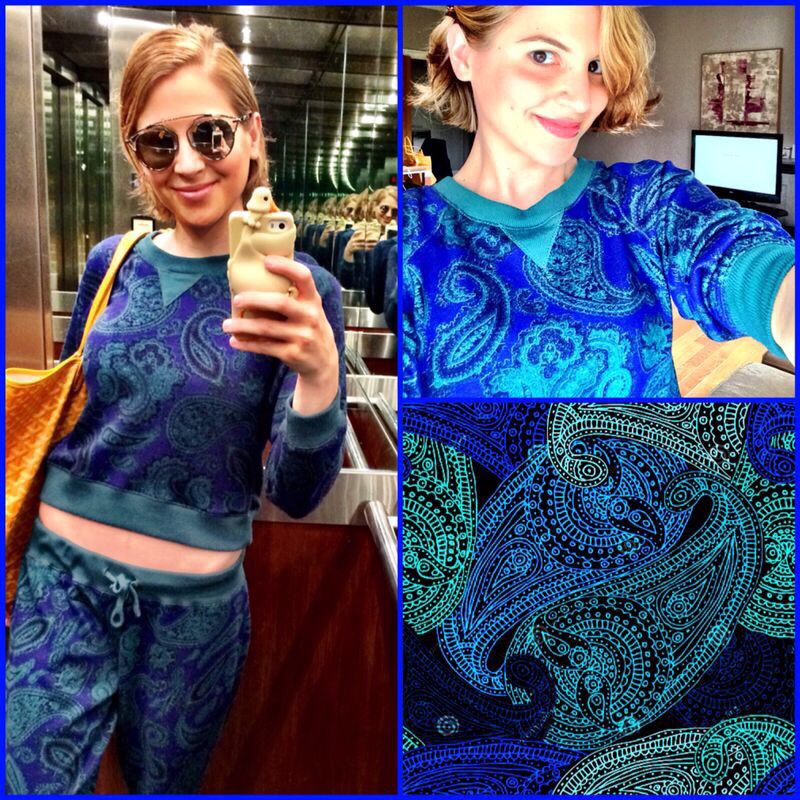
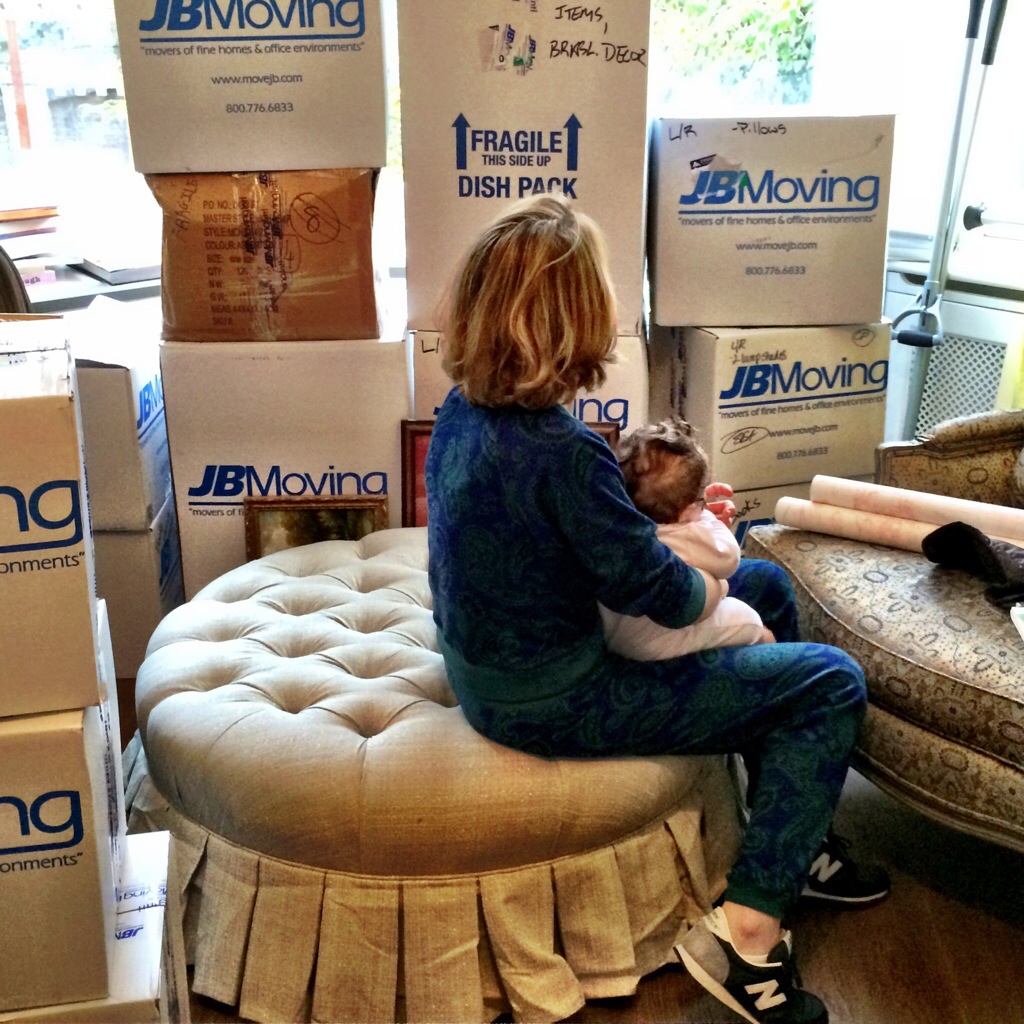
A paisley jogging suit was the perfect weekend outfit to maintain a minimum of style while dealing with the move to our new house!
Tassels, tiebacks, bows, toile and fer forgé…Pulling together our new nest in London has overtaken my creative attention and it sure is reflecting in my outfits!
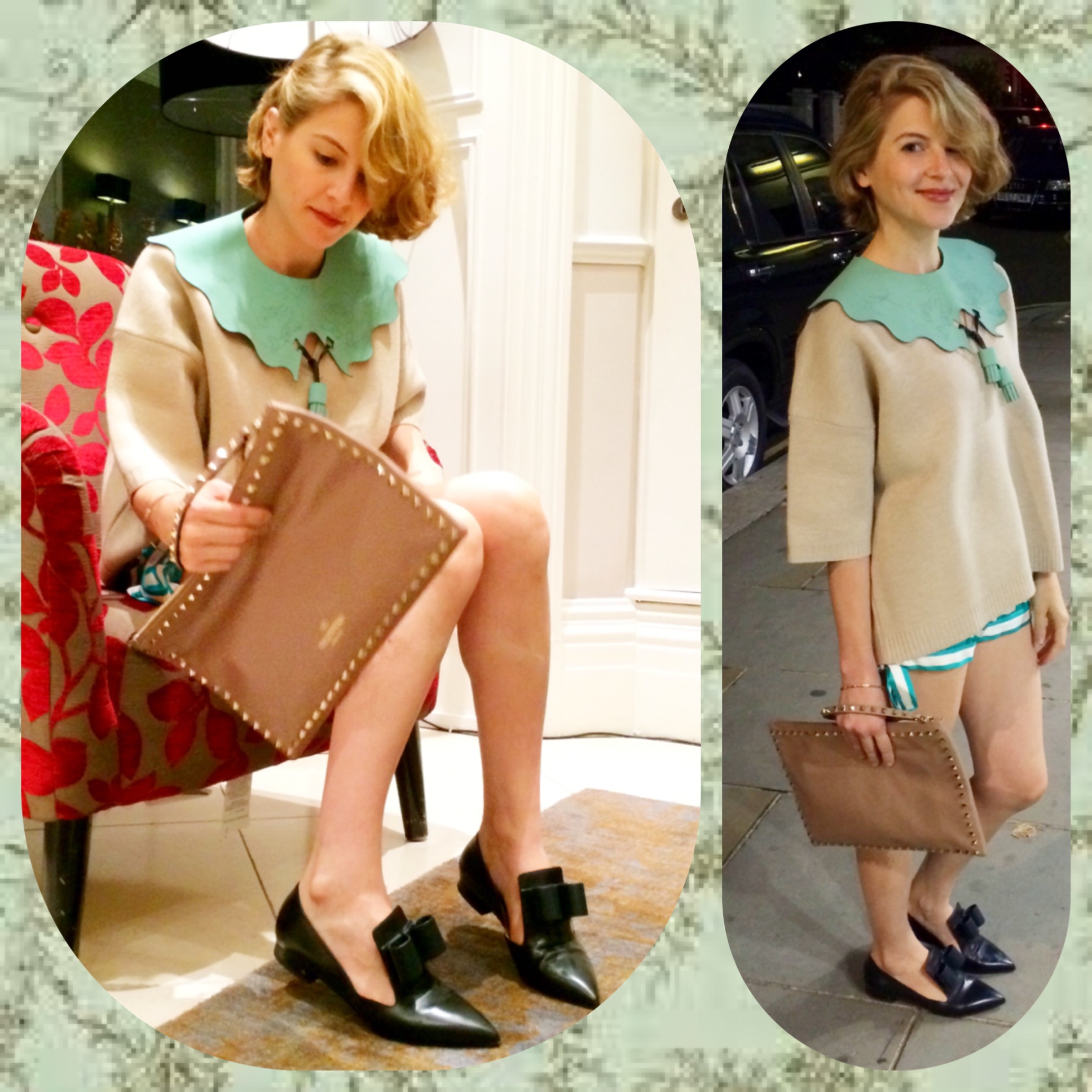
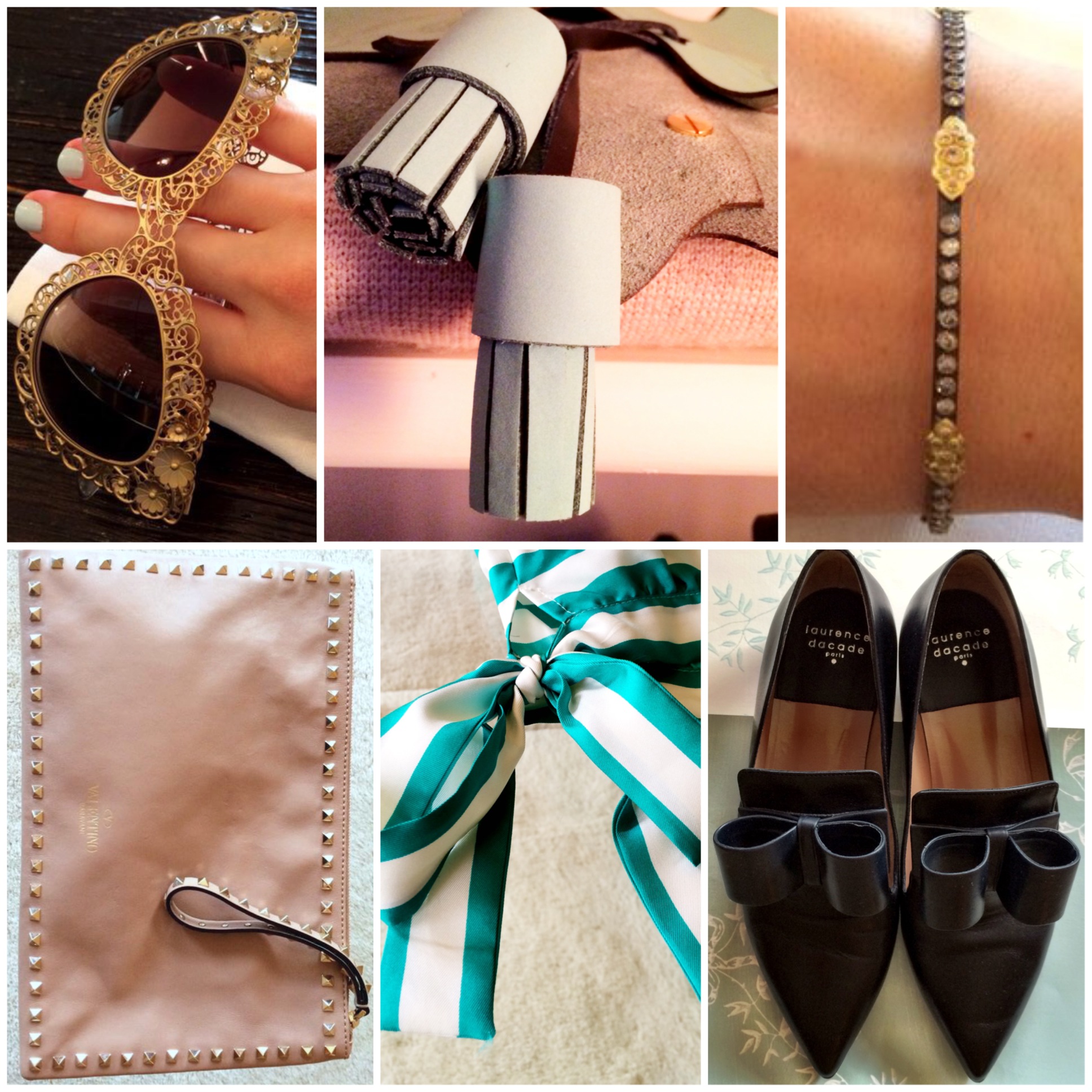
Hanging out in the Victoria and Albert Museum I was reminded of the creative ways 18th Century fashionistas showcased their silhouettes while adding sophistication and story to their looks. While tight body outfits definitely have their place in a woman’s wardrobe, playing with loose effects (in the right proportions of course!), can throw in a unique edge and flow to your look and when contrasted with tight closing in the rest of the outfit can still highlight the hard work you’ve put into your silhouette. So don’t be afraid to mix it up and if you’re in London and want to try on the effect, head to the Victoria and Albert Museum where you can try on a wide petticoat… Now of course, you won’t be streetstyling the 18th Century look (although it would be priceless to see someone try that in a crowded city! Weddings however are fair game… done that! 😉 ) but what you can definitely do is loosen your streestyle looks with wide-leg trousers or harem pants…
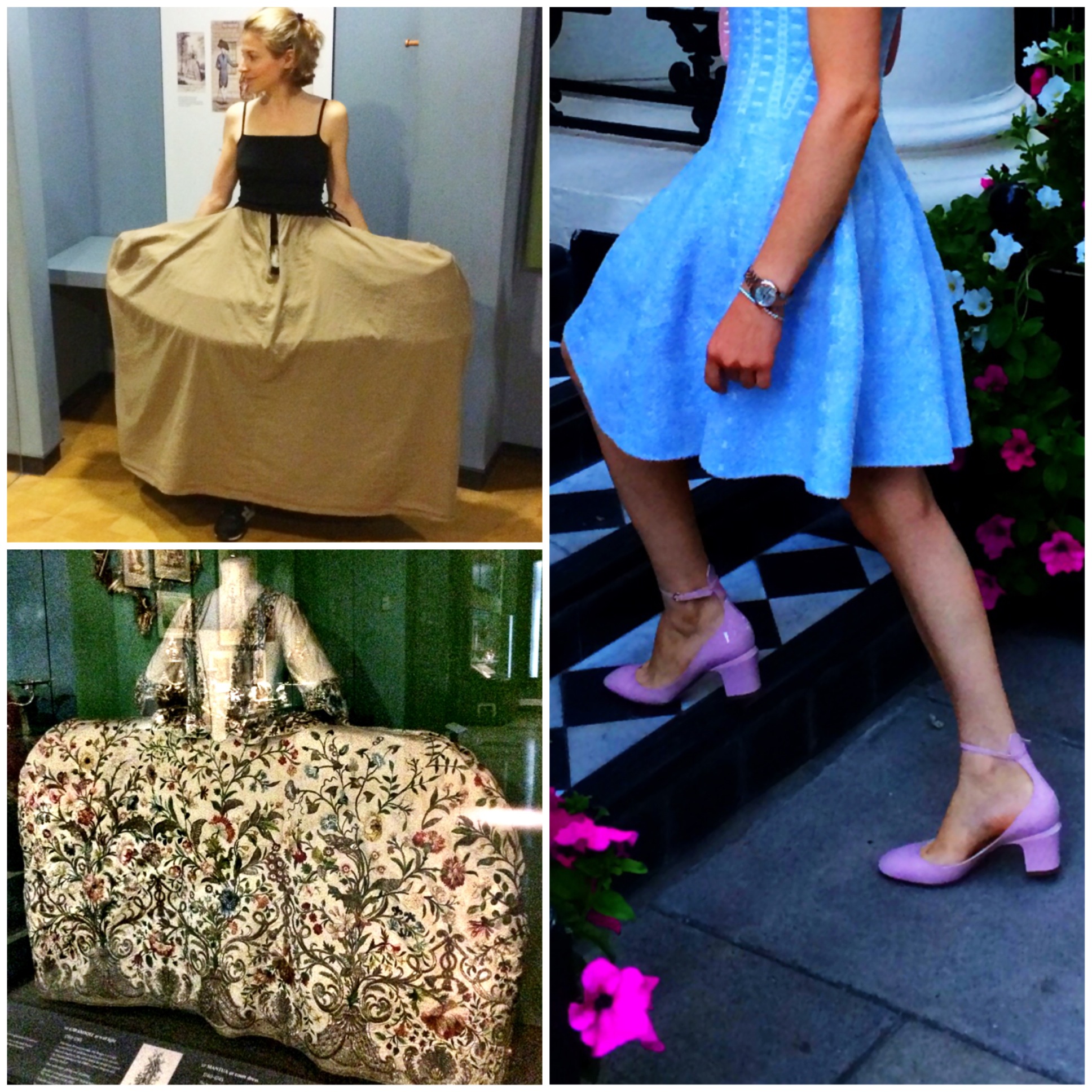
Right: Adjusting dress volume to nowadays city life where living spaces are shrinking compared to Left: Mantua and petticoat illustrating the grandest style of court dress in the 1740’s and 1750’s in England. This mantua is a display of decoration in Rococo embroidery along with patterned silks and printed textiles. The dress can be seen at the Victoria and Albert Museum, London.

My favorite on the run, comfy and passe-partout outfits
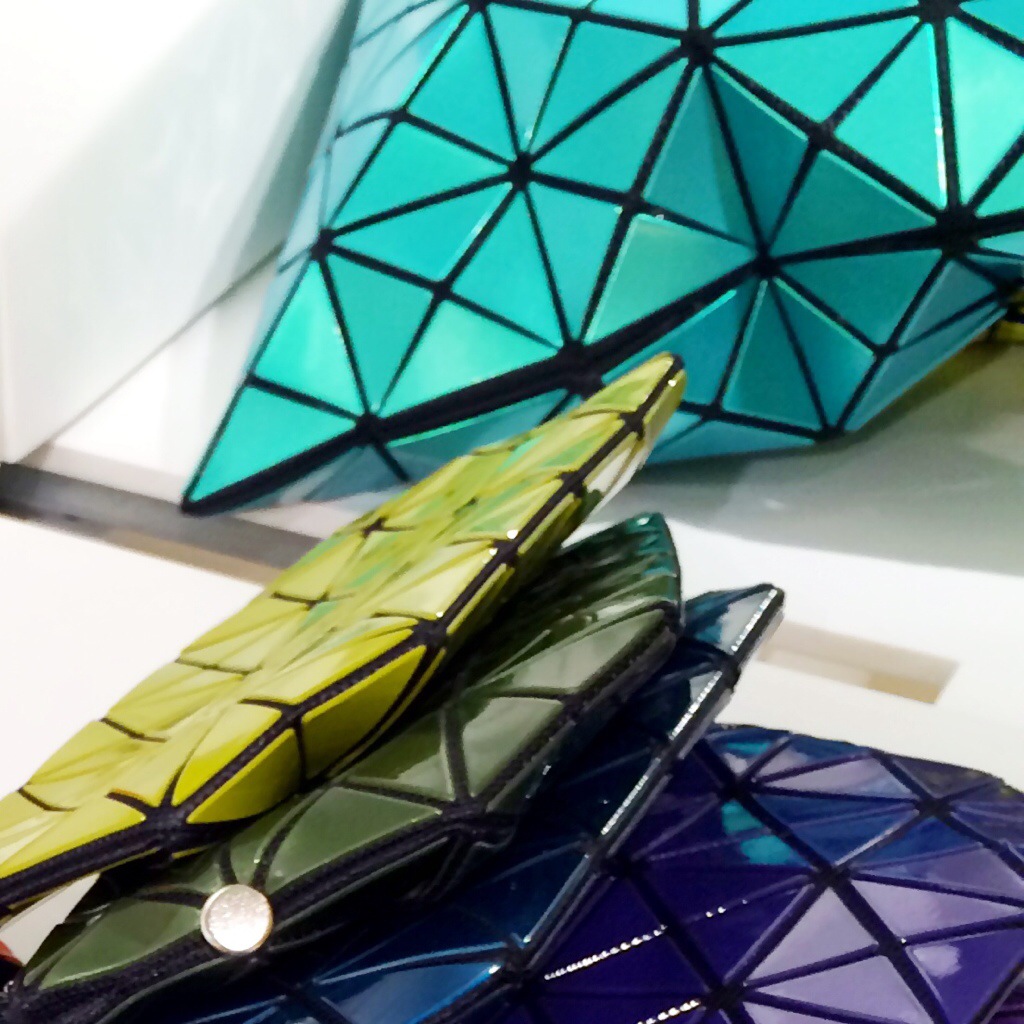
Break an otherwise orthodox look with some flash! Here I used the colorful Pleats Please collection of Issey Miyake to achieve the contrast.

Here are some more options from his geometry inspired creative collection:

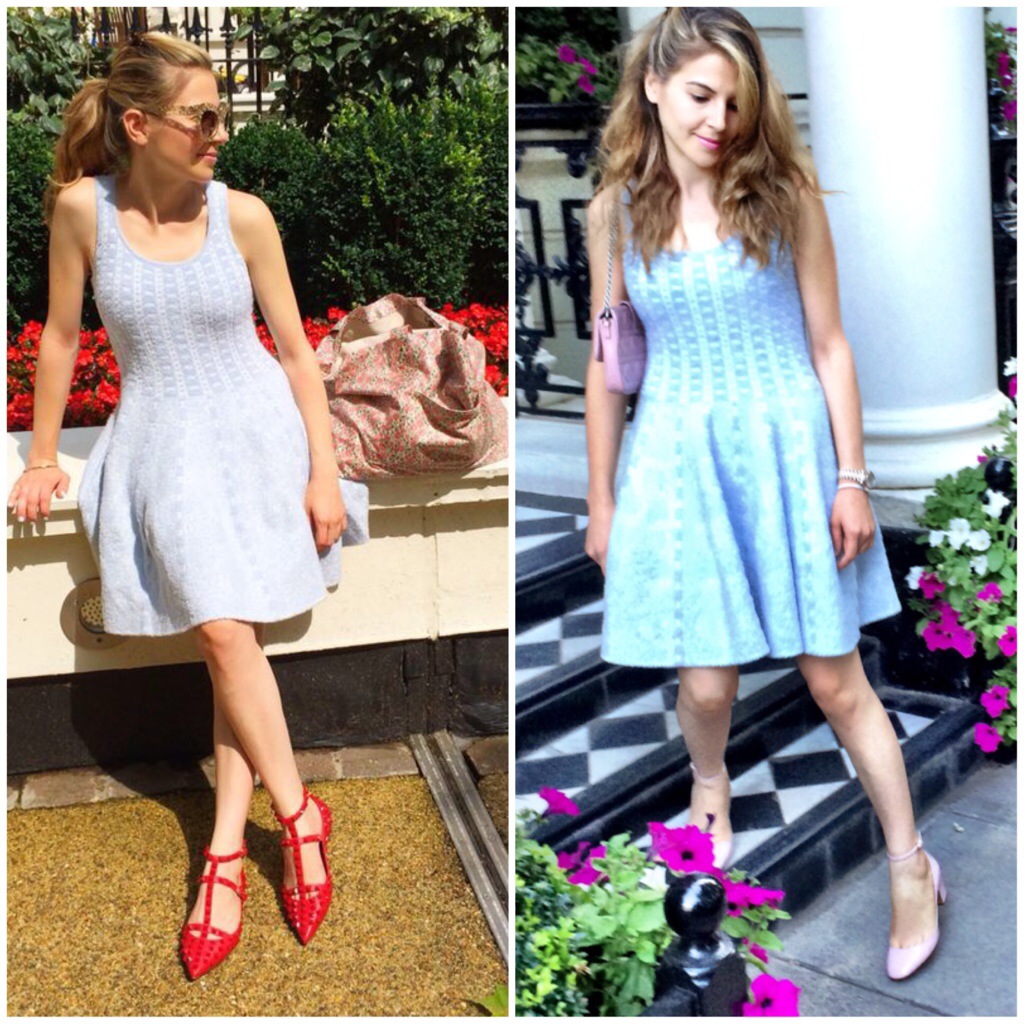
From day ☀️ dress to date night ❤️ dress…With the right accessories and shoes you can make the most out of your casual dress!
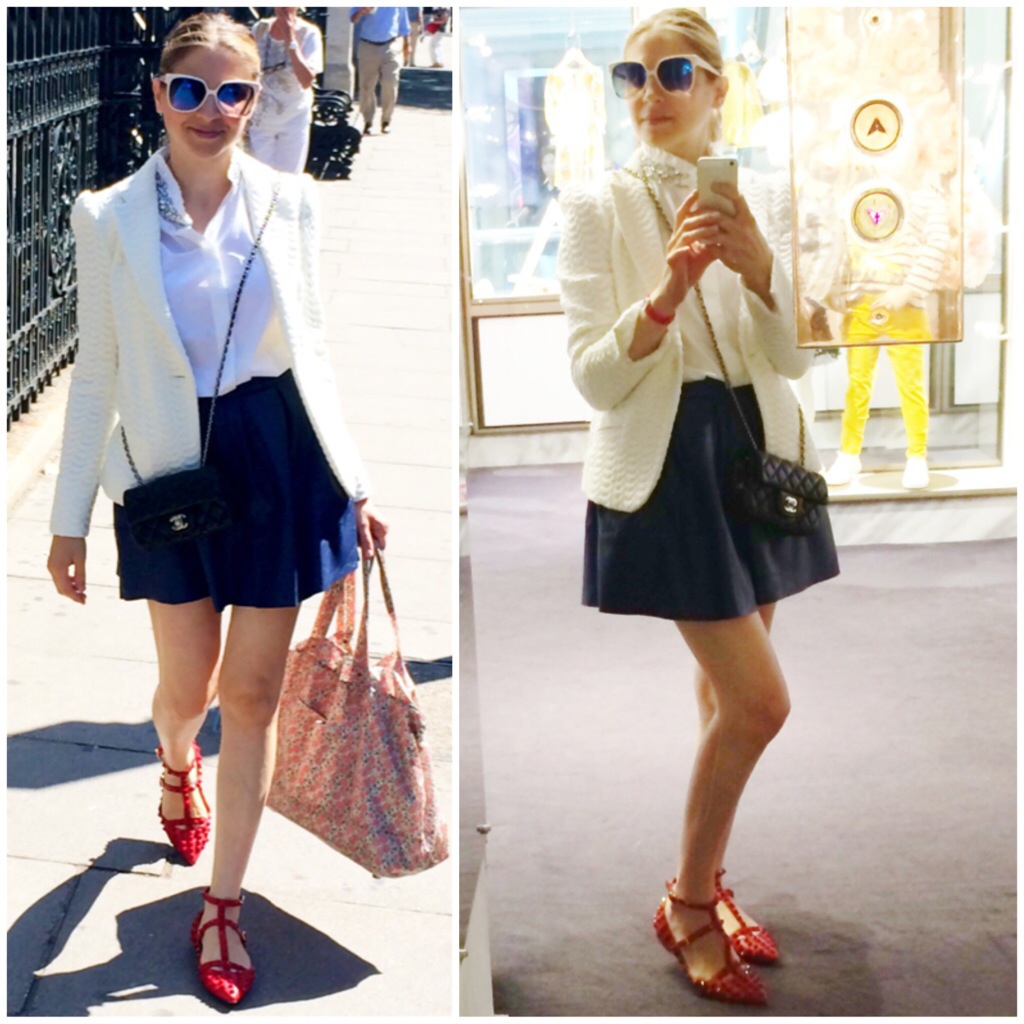
Not that I always have the choice! #embraceyourdiaperbag
Quick Style Tip: Try to balance functionality with a neutral / soft colored or minimally patterned diaper bag, flexible enough to fit with more than one outfit! I know it’s hard to think of your diaper bag as another fashion accessory but if it’s going along for the streetstyle ride, it might as well fit in!
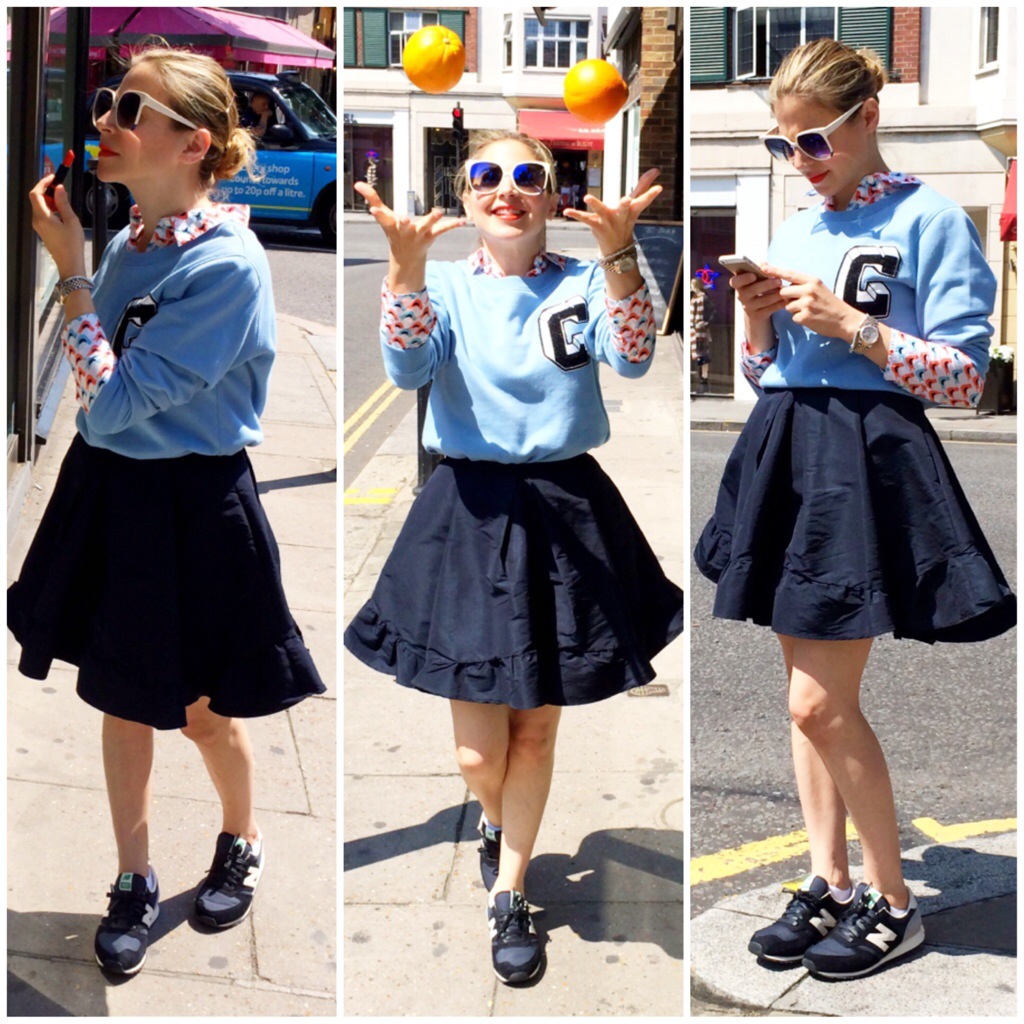
Orange lipstick is my latest makeup crush
In the past few months, my life has been witnessing drastic changes, mainly as a consequence of welcoming a new baby and moving to the other side of the Atlantic. While, in the balance, the changes have been very gratifying, they tagged along numerous expected and un-expected novel responsibilities that I had to squeeze into my previously busy (yet paced) routine. To say the least, it hasn’t been easy to see my organic life dissipate, as I feel I’ve been entered into an impossible turbo race with time, which has become ever more fleeting and, with the load of my responsibilities, impossible to catch up to. Despite my best efforts, things are still chaotic to my taste and so in order to keep sane I am convincing myself that a meticulously structured and slower paced routine will eventually settle in after this transition period during which I am rarely in a “be” mode, and constantly in a “do” mode.
Juggling a new baby and a toddler, adjusting to a new city, house hunting and so many other challenges left too little time for me for basic necessities like having a proper meal. So I end up either eating on the go or gobbling food like a turkey! Something that has been upsetting not only my stomach but my whole wellness and lately made me reflect again on the risks of rushing meals and eating quickly; an eating behavior I was now sharing with many many other people who slide into this habit because of the demands of their work and family, which in an ever more competitive and interconnected world can be relentless and unrealistic.
However, it’s important that people (myself included), remember that this compromise of finding the additional time one needs by taking time away from food, isn’t without its risks and should be closely re-assessed:

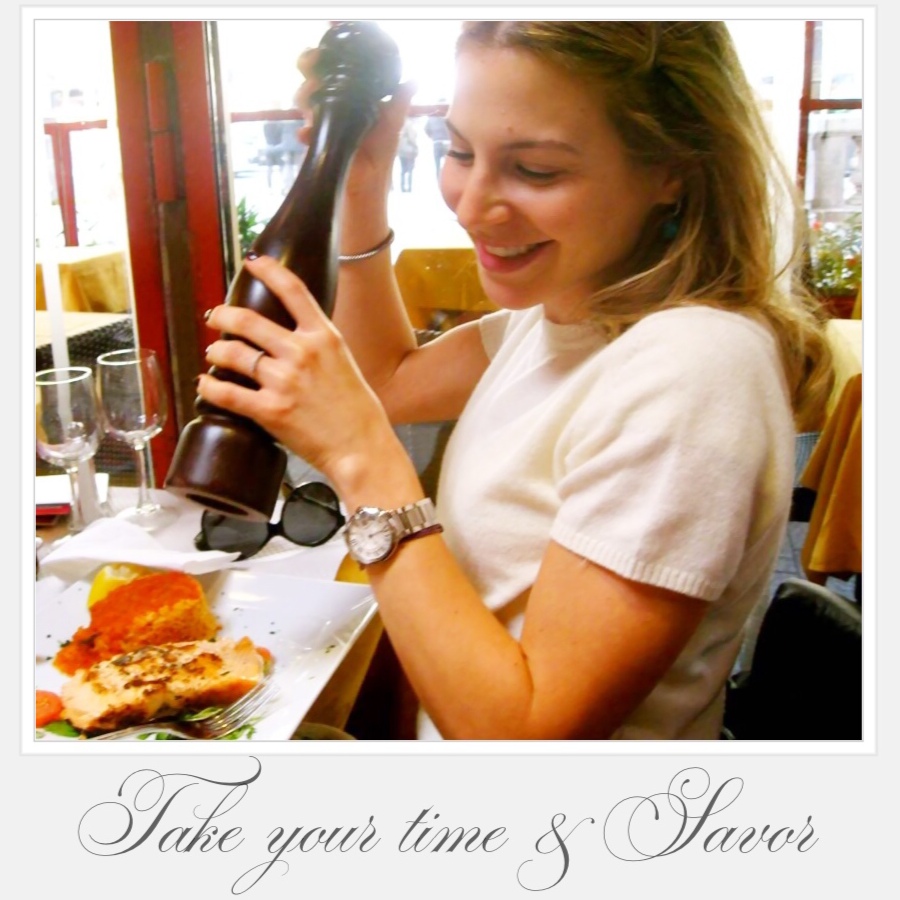
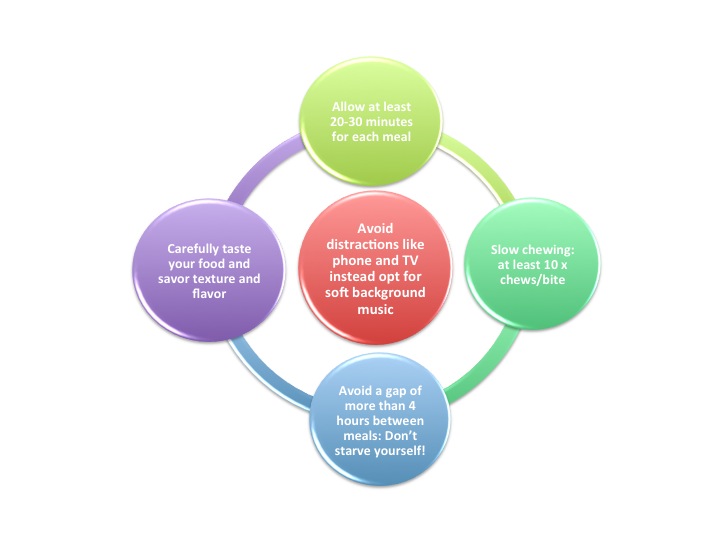
In my family my sister was always the last one to finish her meal, and it drove the rest of the family crazy. Quite the opposite, I was the champion of speed eating, as I was always the first to finish. It wasn’t until years later that I realized that her slow eating was to credit for her being able to eat smaller portions and the secret to her flawless tummy. So some of us may be born slow eaters or figure out its benefits early on and don’t deviate from it easily, but for those of us who aren’t, or who are pushed more easily into speeding up our eating habit, here are some tips to start practicing Slow Eating:
This month, many people are fasting in observance of Ramadan and they too should be careful with the risks of fast eating at the time of breaking their fast for the same reasons discussed above, so to them I would say: Ramadan Karim, Fast & Don’t Eat Fast Later! The key is to break your fast gradually and slowly to gauge how hungry you really are, rather than just starting to eat an industrial amount just because you now know you can and think you should because you haven’t eaten all day.
I have 7 questions…

BIG MILESTONE: Baby # 2 slept through the night for the first time = feeling zen this morning!
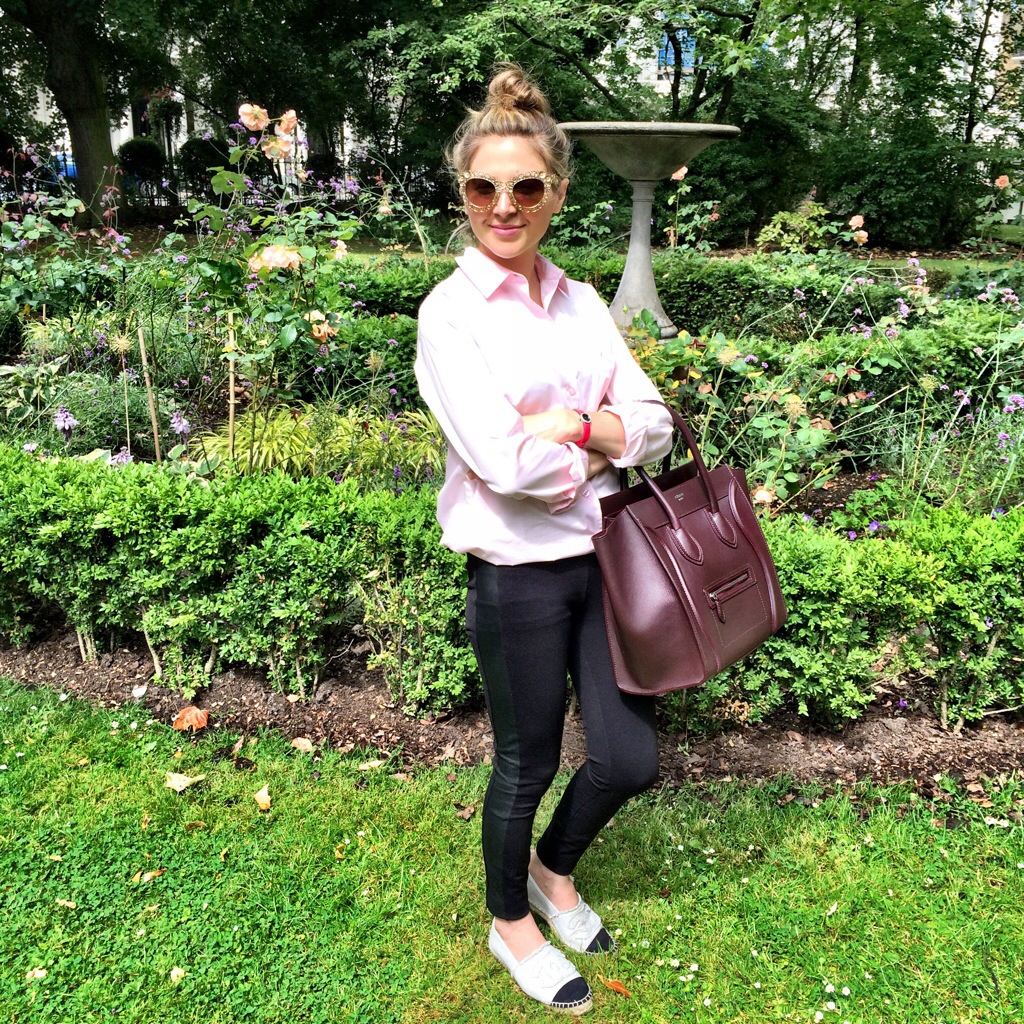
 SilhouettEtiquette