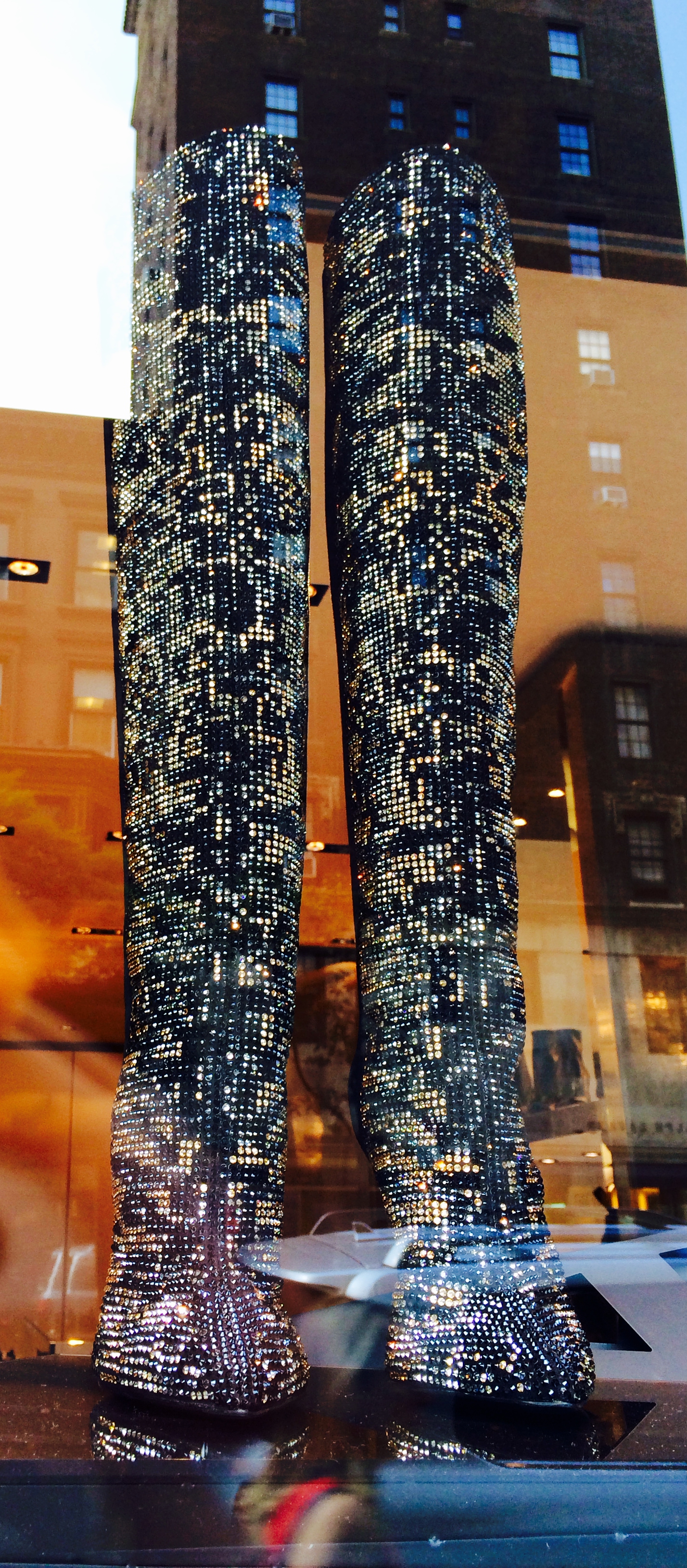
Giuseppe Zanotti boots
Giuseppe Zanotti boots

Top left: Tara Jarmon, top and bottom right: Valentino, strap can be personalized with your own code/initials, bottom left: Perrin

Kale juice
Since I moved to New York, I have come to notice that people here are fad obsessed, particularly in relation to body image issues. They enroll in the latest and hottest mumbo jumbo celebrity workouts with the funkiest names ever like “Zumba!”, they follow the latest diet or un-diet (fasting) trends like the 5:2 diet, the master cleanse detox, lemon juicing diet, raw food diet…but what particularly caught my attention is the kale craze! New Yorkers love kale! They swear by kale juice, feast on kale salad and sandwiches and snack on kale chips. There’s even a National Kale Day (which happens to be today by the way, Happy Kale!). Don’t get me wrong, I have nothing against kale and I’m actually a big fan myself of kale Tabboule and appreciate the nutritional benefits of this wonderful green veggie. I do feel however that there’s an excessive adoration of kale, which distracts from other interesting veggies that correspond to the same green category, have a very similar nutritional profile to kale and some are even more worthy of being singled out. So if you’re like me, tired of kale or even spinach but want to keep benefiting from the amazing nutritional and gastronomic qualities of green leafy vegetables, it’s time to introduce your cuisine to chard!
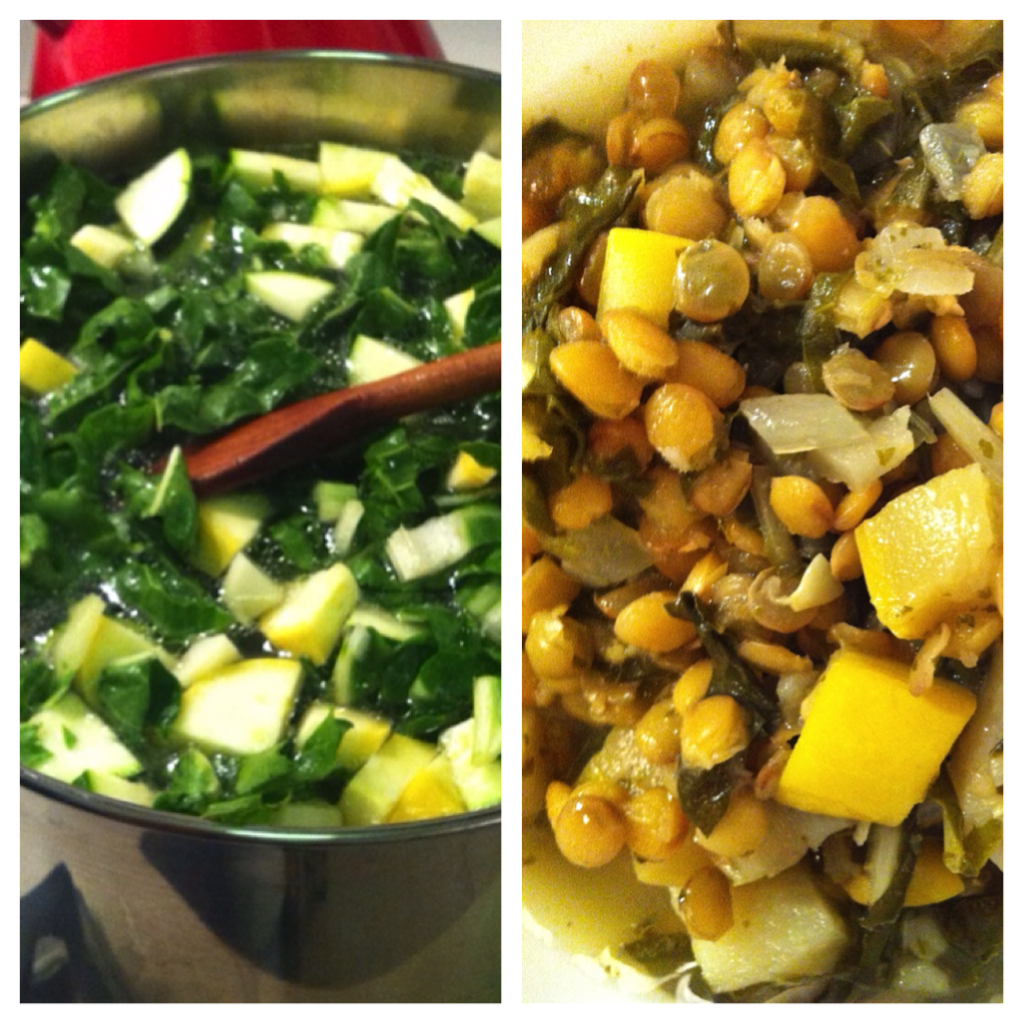
Chard is very comparable to spinach but with a bigger leaf and has a less accentuated taste than kale. Just like the venerated kale and Popeye’s spinach, chard is a great source of fiber, vitamin C, vitamin A, magnesium and potassium, contains iron, calcium and folic acid. Also note that it’s slightly lighter in calories than kale and spinach and is a good laxative and diuretic. There are so many ways to enjoy chard, here are some of my favorites:
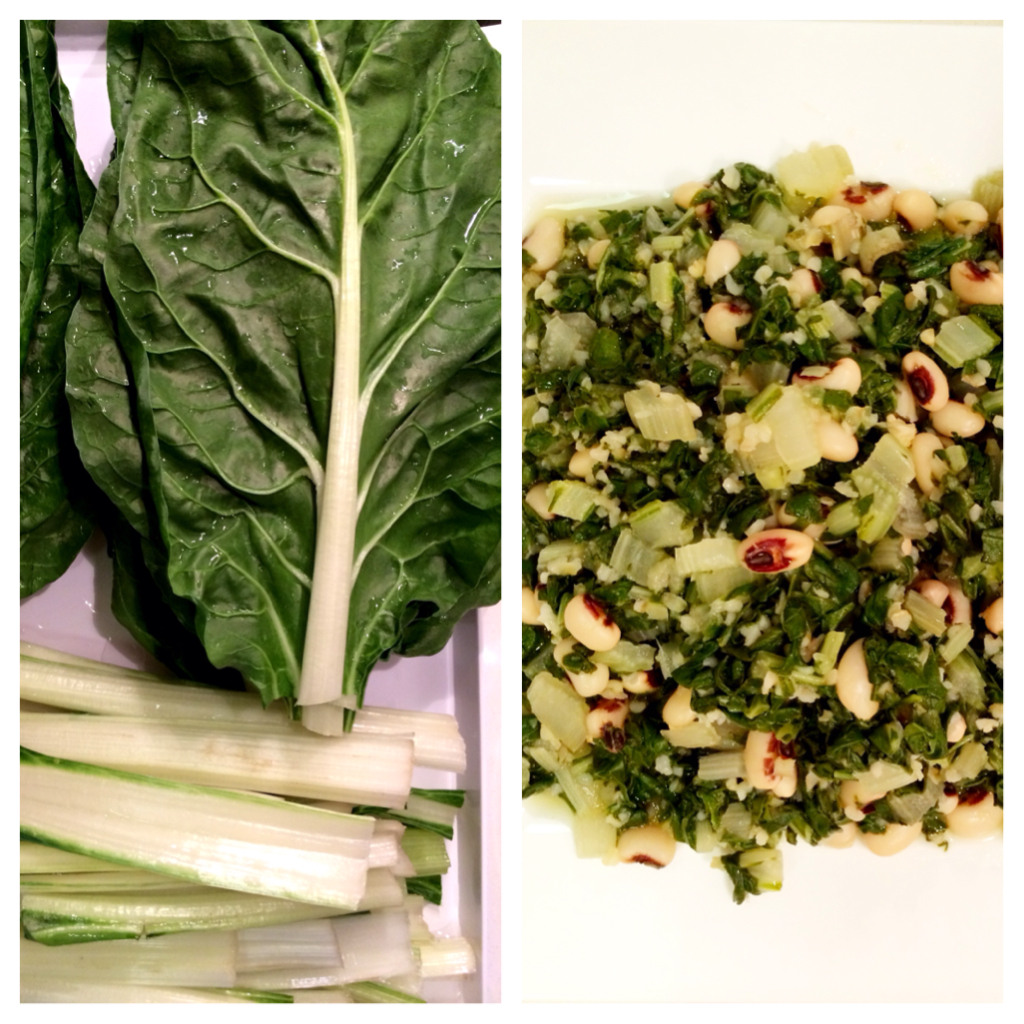
Zesty chard with blackeye peas salad / appetizer
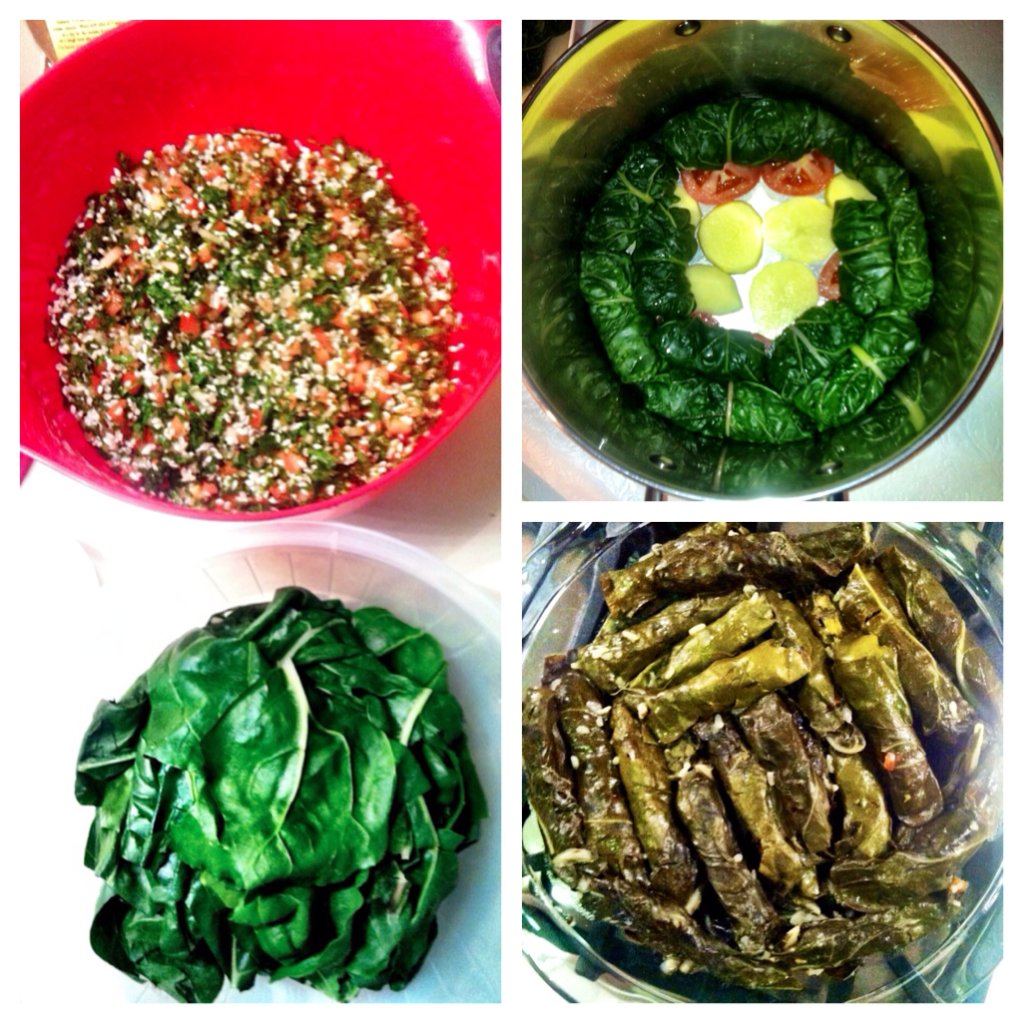
Chard stuffed with a Tabbouleh-like mix
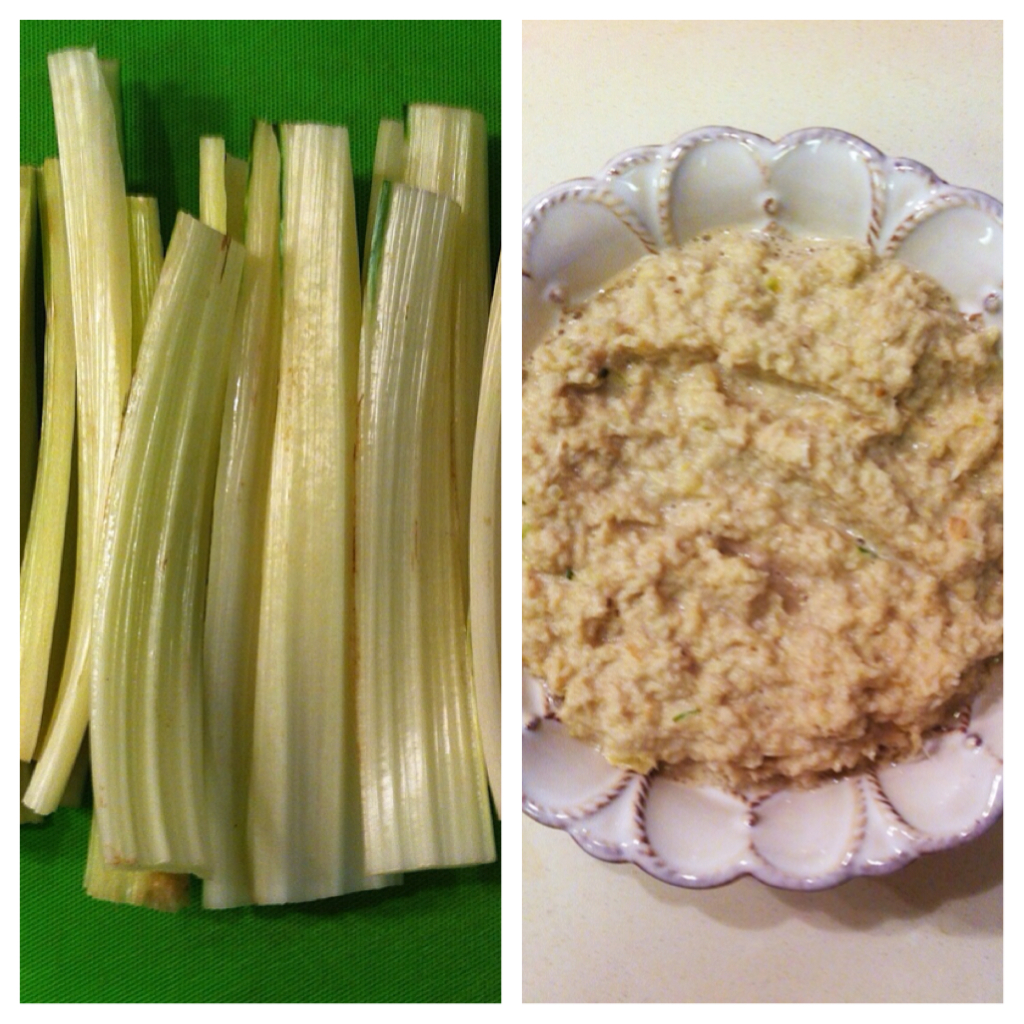
Chard dip (prepared in a similar way to hummus, but since we’re replacing chickpeas with chard stems, it’s lighter in calories)

In light of Downton Abbey’s season 4 premiere in the UK last month, here are my aristocratic picks for the return!
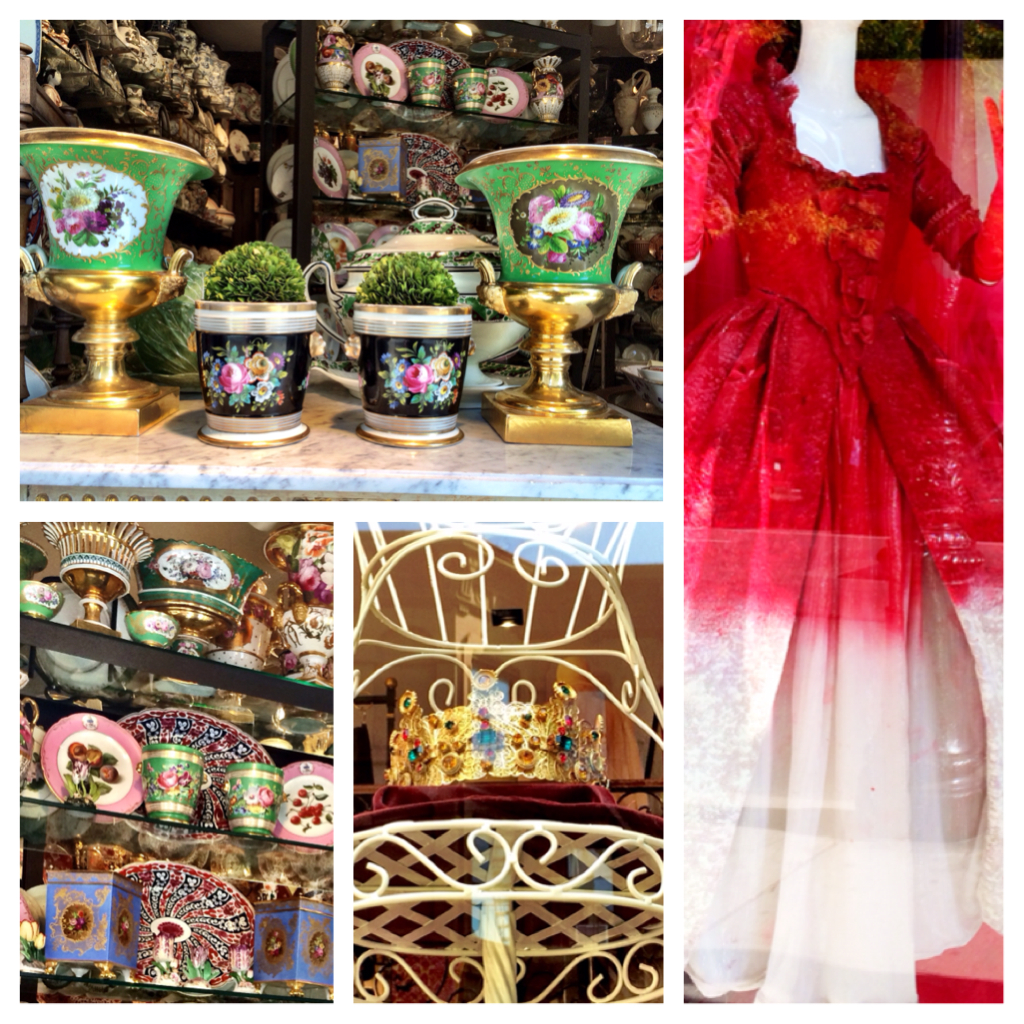
Top & bottom left: Bardith Antiques on Madison ave., the go-to source for 18th-century English porcelain tableware and objets d’art. Bottom middle: Dolce and Gabbana majestically grand crown! Right: Victorian gown from Cesar Paciotti’s window display.
Manhattan, October ‘13
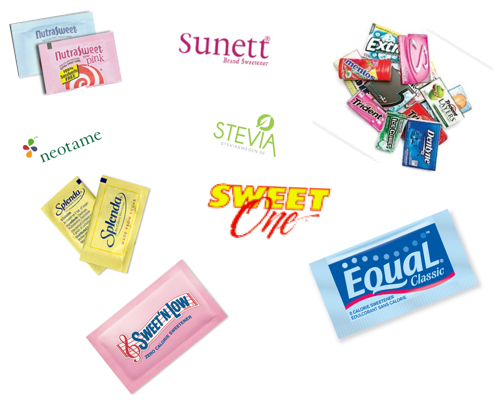
A lot of controversy surrounds the safety of artificial sweeteners. Most health professionals consider the majority of such sweeteners relatively safe during pregnancy. Some professionals however recommend avoiding them altogether during that period and associate their use to birth defects. Scientific research regarding their general safety is still unfortunately neither comprehensive nor absolute. The ideal approach a pregnant woman can take during her 9 months of gestation is to be prudent and limit her use of such chemical additives. Pregnancy is not the right time to cut on calories anyways so it might be just fine to replace the artificial sweeteners with sugar or honey when you inevitably need that sweet taste (except if you are dealing with carbohydrate intolerance such as gestational diabetes, in which case you need to consult your doctor or your dietician to discuss regulating your sugar consumption). Moreover, a lot of processed foods that contain sugar substitutes are not necessarily calorie-free nor (like in the case of diet soft drinks) do they provide you and your fetus with essential nutrients you both need.
Whatever position you decide to take in relation to artificial sweeteners, you should absolutely avoid Saccharin during pregnancy because it’s proven to be capable of crossing the placenta and getting to your fetus’ developing tissues. Additionally, you should note that the US banned the use of Cyclamate based on some studies that have shown a link to bladder cancer.
Other sugar substitutes like sugar alcohols (such as Maltitol and Xylitol found in sugar-free chewing gums and some other processed foods) are not a big concern when it comes to safety but they do cause digestive problems if you go overboard or in case of a regular intake. Since you are already vulnerable to such discomforts by virtue of being pregnant, you probably don’t want to add to them!

Red + Studs = masterpiece Valentino flats! Also came across this eye-popping studded Louboutin purse!

The pajama trend is taking over the high-end. Why not turn your sleepwear into the most fabulous out and about outfit!

This winter keep warm with the ultimate luxury!
top left: miu miu, top right: Louis Vuitton, bottom leftt: Roberto Cavalli, bottom right: J. Mendel
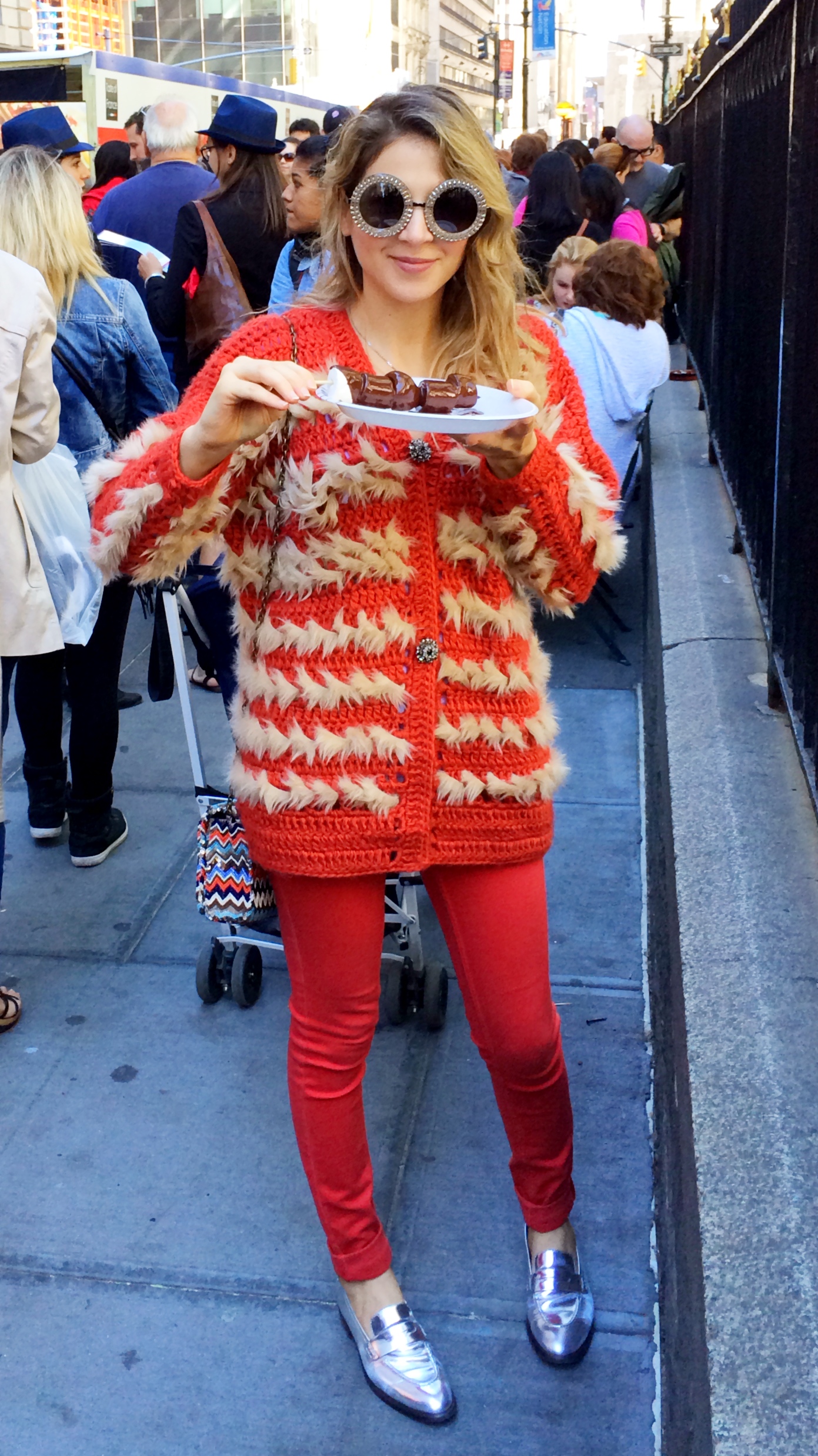
Craving of the day : Fondue au chocolat!!!
Bryant Park @ the “Taste of France” event – NYC, Sept ’13
 SilhouettEtiquette